
The history of the Fokker factories in America
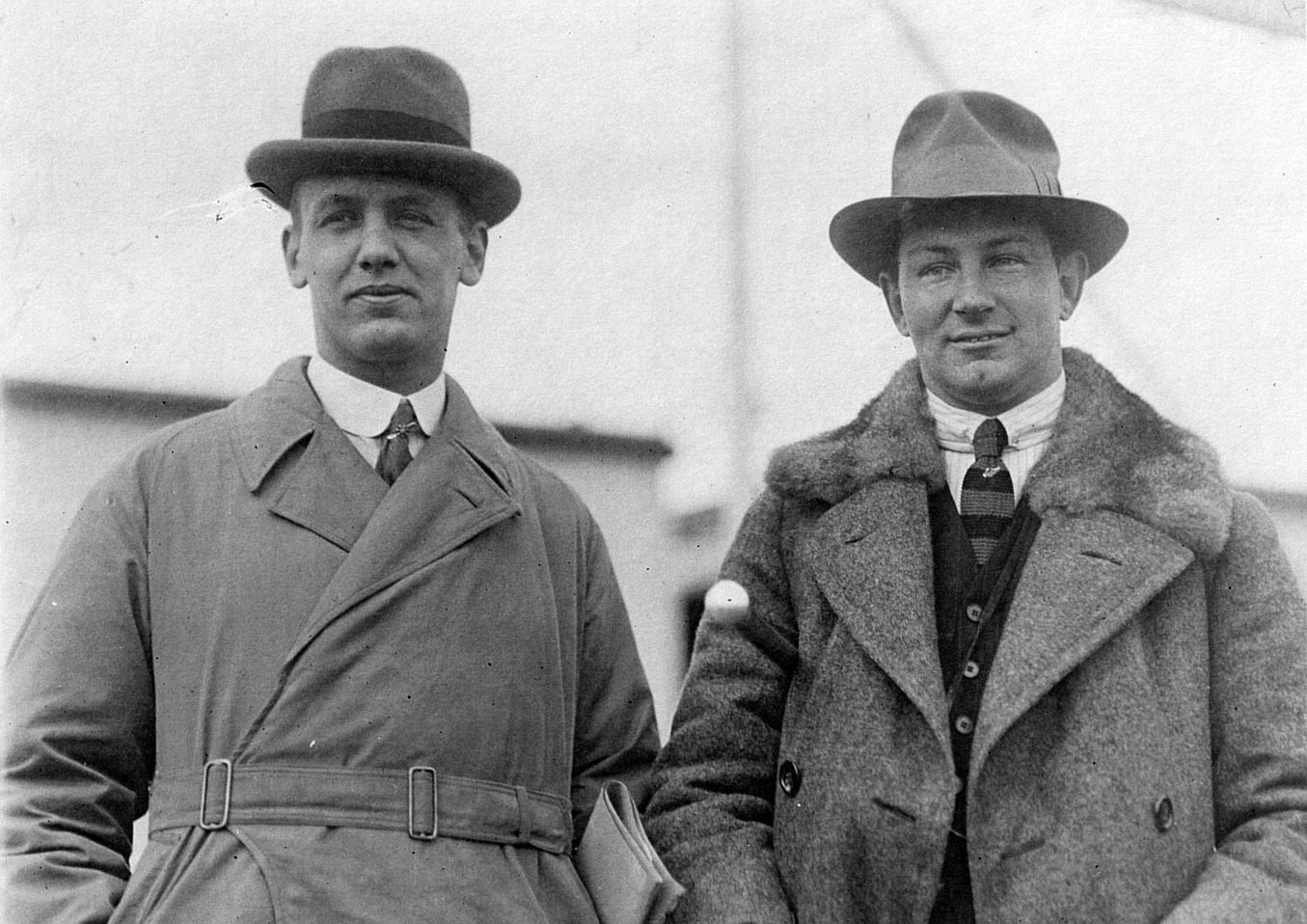
In late 1920, Anthony H.G. Fokker made his first visit to the United States. The Fokker name was already well-known in America thanks to the German aircraft used in the Great War.
In addition, some 150 captured D.VII aircraft had already been transported to America by the US Army Air Service and some of them were put into service.
And Fokker's first visit even resulted in some orders to be built in his Dutch factories.
To manage deliveries in America, a branch was established in New York, called the Netherlands Aircraft Manufacturing Corporation (NAMC), with offices at 281 Fifth Avenue. Robert BC 'Bob' Noorduyn, who had accompanied Fokker to America, was put in charge and held key positions at the Fokker factories there until early 1929.
Fokker's old friend Frits Cremers also played a role in the early years, mainly in seeking investors for airlines.
In addition to an office, NAMC had one and a half hangars at Curtiss Field (later renamed Roosevelt Field), Long Island, New York, where aircraft were assembled, stored and converted.
The first years
During the first few years, Fokker aircraft were sold in small numbers and supplies of materials and engines were also provided to the Netherlands.
When market conditions in America seemed to have improved enough to allow the start of a private factory, the Atlantic Aircraft Corporation (AAC) was founded in mid-December 1923, in which some Americans also invested.
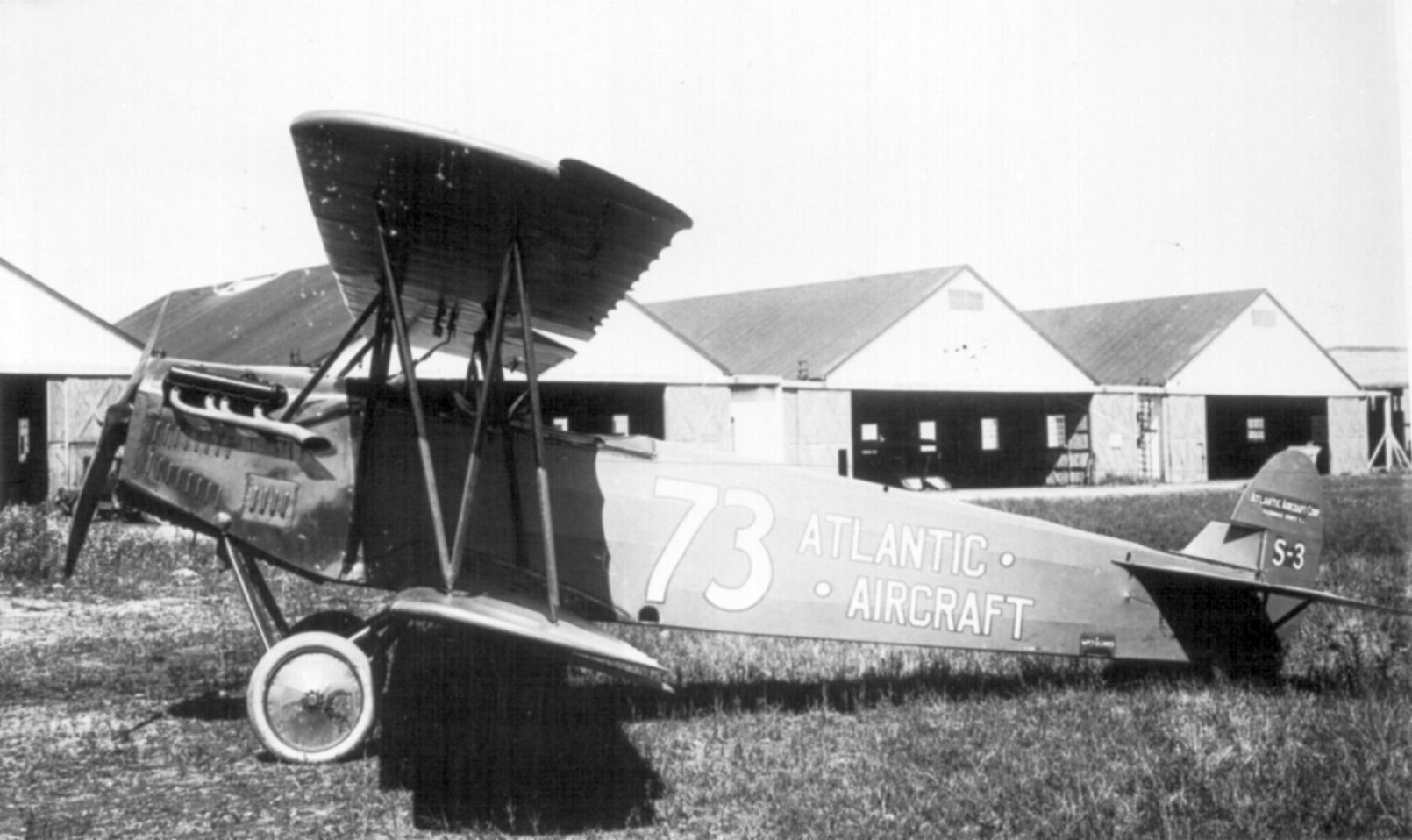
From mid-1924, American production began at Teterboro Airfield in Hasbrouck Heights, New Jersey, converting DH-4s for the Army Air Service. Aircraft were also imported from the Netherlands for a time.
At Teterboro, which was gradually improved and expanded, the factory of the former Wittemann Aircraft Corporation was rented for the work. Some of its staff came from Europe, but former Wittemann employees were also on the payroll.
In the autumn of 1925, the first fully American aircraft type rolled out of the factory: the Universal.
Soon, Austrian Alfred A. Gassner also joined the company, who would become the Fokker factory's chief designer. In mid-1925, Fokker made another attempt to establish a production facility in Kansas City, Missouri, for which the Fokker Aircraft Corporation (FAC) was founded.
Because insufficient investors could be found, the factory never got off the ground and the company continued to be used as a sales office from New York for some time.
It was briefly located at 115 Broadway and then at 110 E. 42nd Street. In February 1927, AAC took over FAC's duties and offices, although the engineering staff remained at Teterboro.
The breakthrough
After a hesitant start, during which American airmail transport was privatized and Ford organized reliability flights for aircraft, the breakthrough in commercial aviation in America that Fokker had long anticipated suddenly occurred in mid-1927.
Charles Lindbergh's first flight across the Atlantic Ocean and a number of long-distance flights, including with Fokker aircraft, raised awareness among the American public that air transport could become very important, and all kinds of air routes were quickly established.
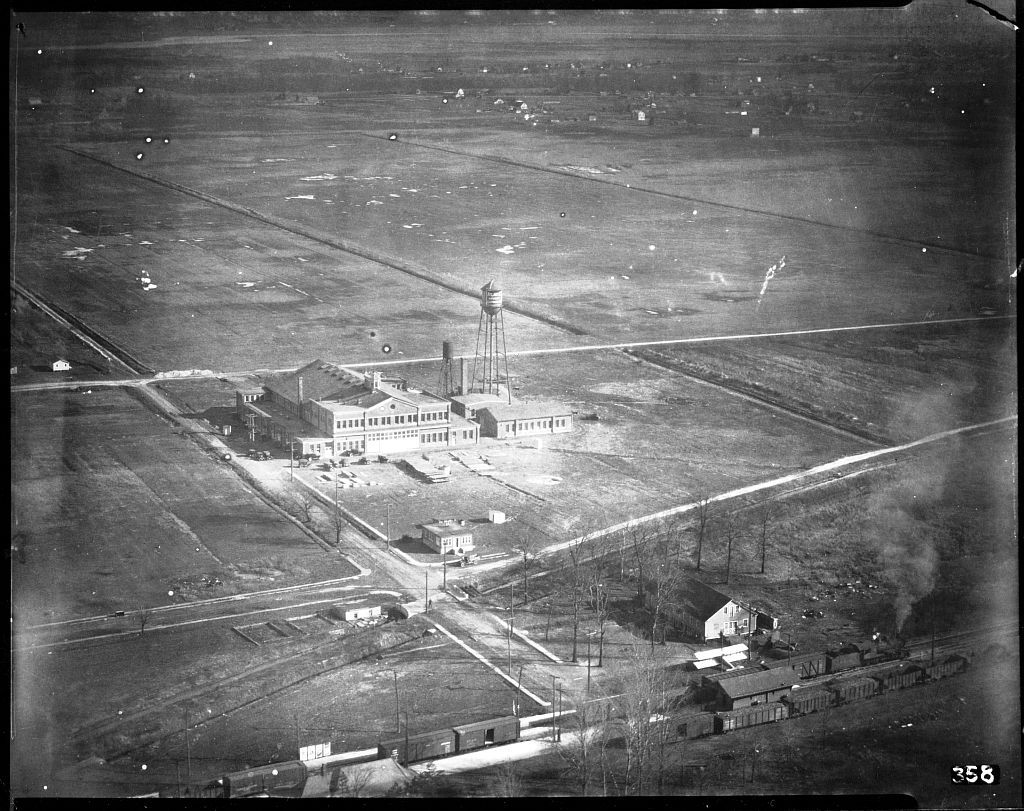
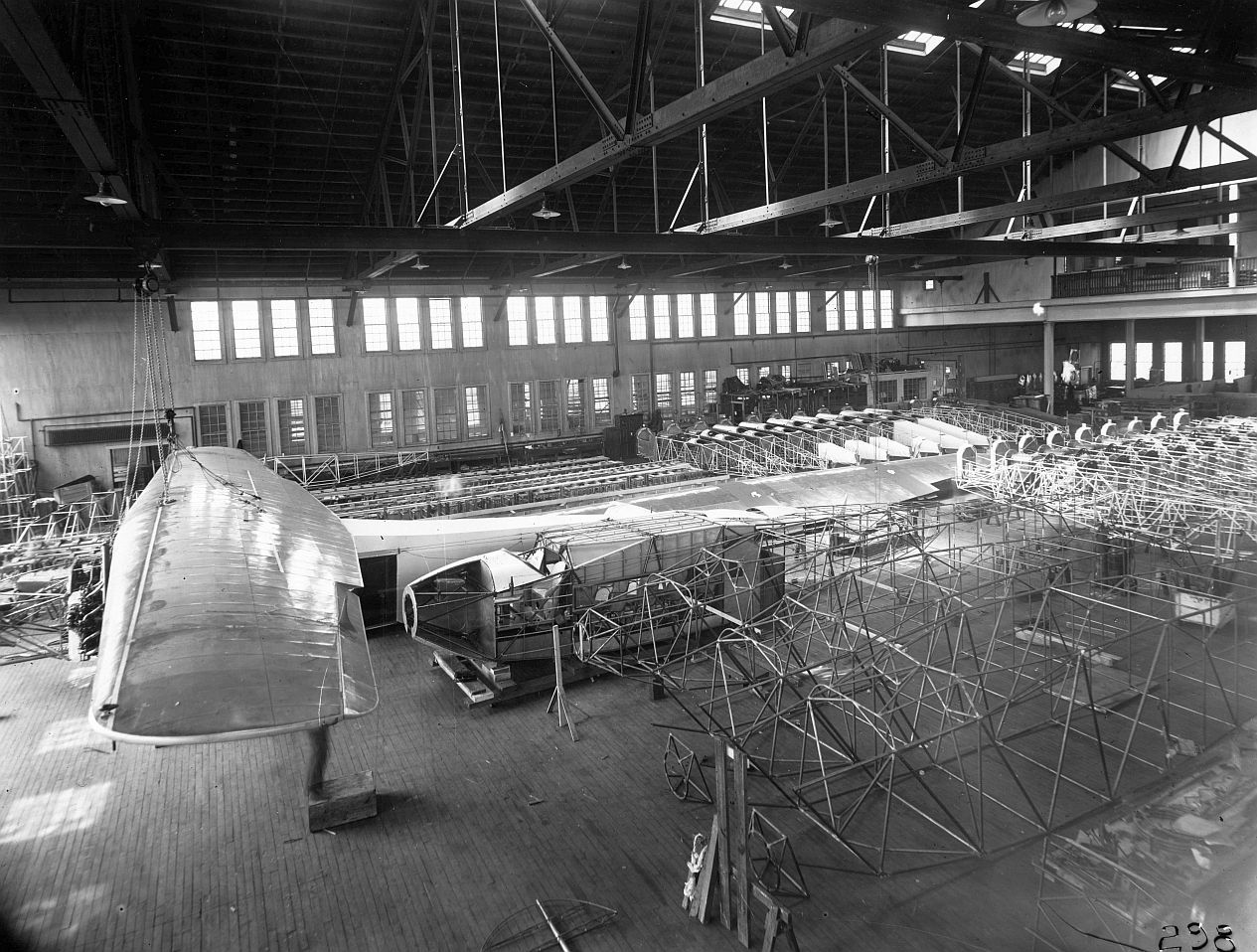
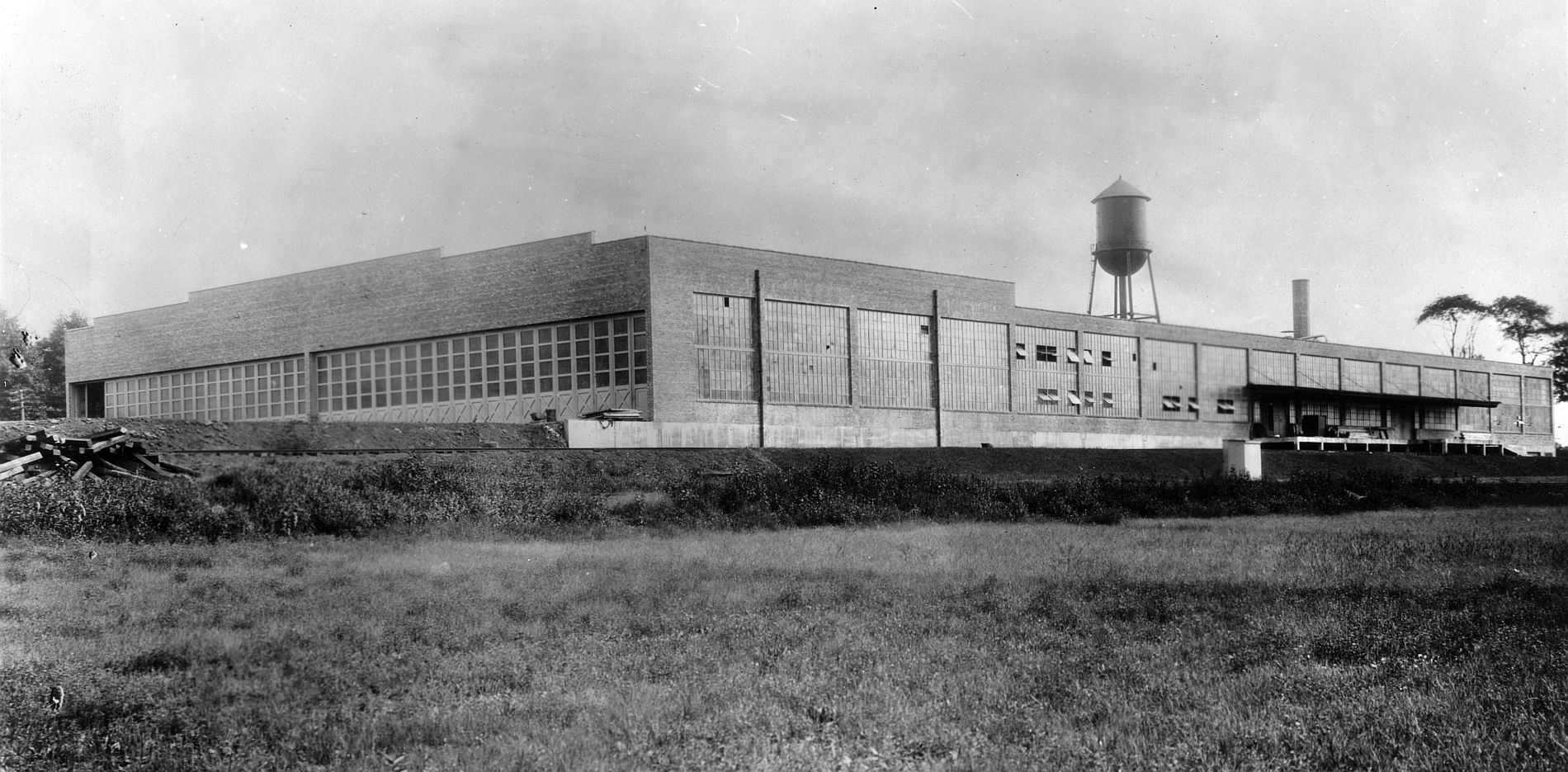
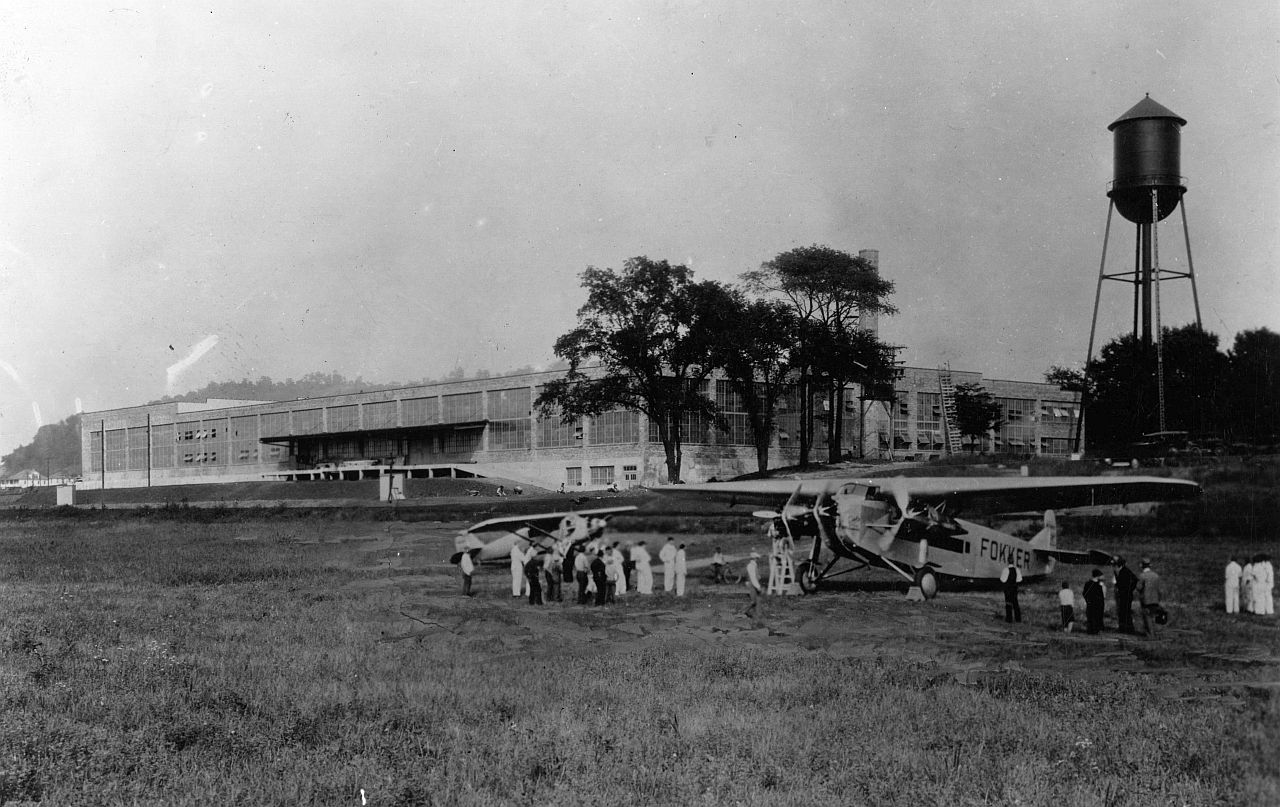
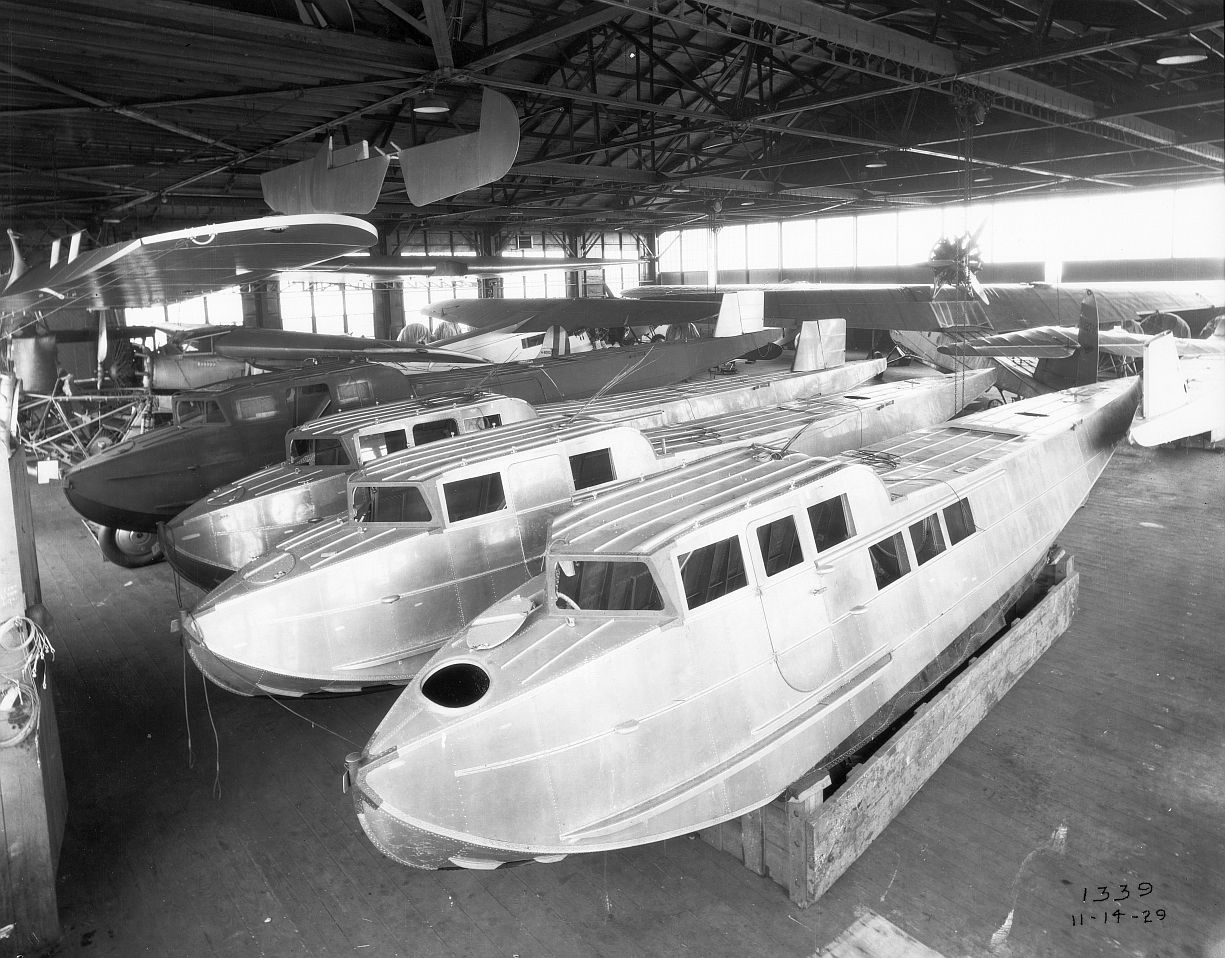
Fokker also reaped the benefits of this with significant orders and, to increase production capacity, a new factory was established in Glen Dale, not far from Wheeling in West Virginia, at the end of 1927, using capital from that region.
The Fokker Aircraft Corporation of America (FACoA) was founded for this purpose. The new factory was built on an existing airfield outside the dike between the railway line and the Ohio River, and a substantial number of local workers were recruited for it.
AAC's activities in Hasbrouck Heights continued to serve new developments, but now as a subsidiary of FACoA.
But AAC also needed additional space to accommodate growth. A hangar was added at Teterboro Airfield, which became available in early 1928. At the end of the year, in Passaic, near Hasbrouck Heights, additional production space was rented in a vacant cotton mill between Brighton Avenue and Factory Street.
The big money
During the boom that occurred at this time, aviation stocks rose sharply on the American stock market, and financial conglomerates emerged that housed both transport and production.
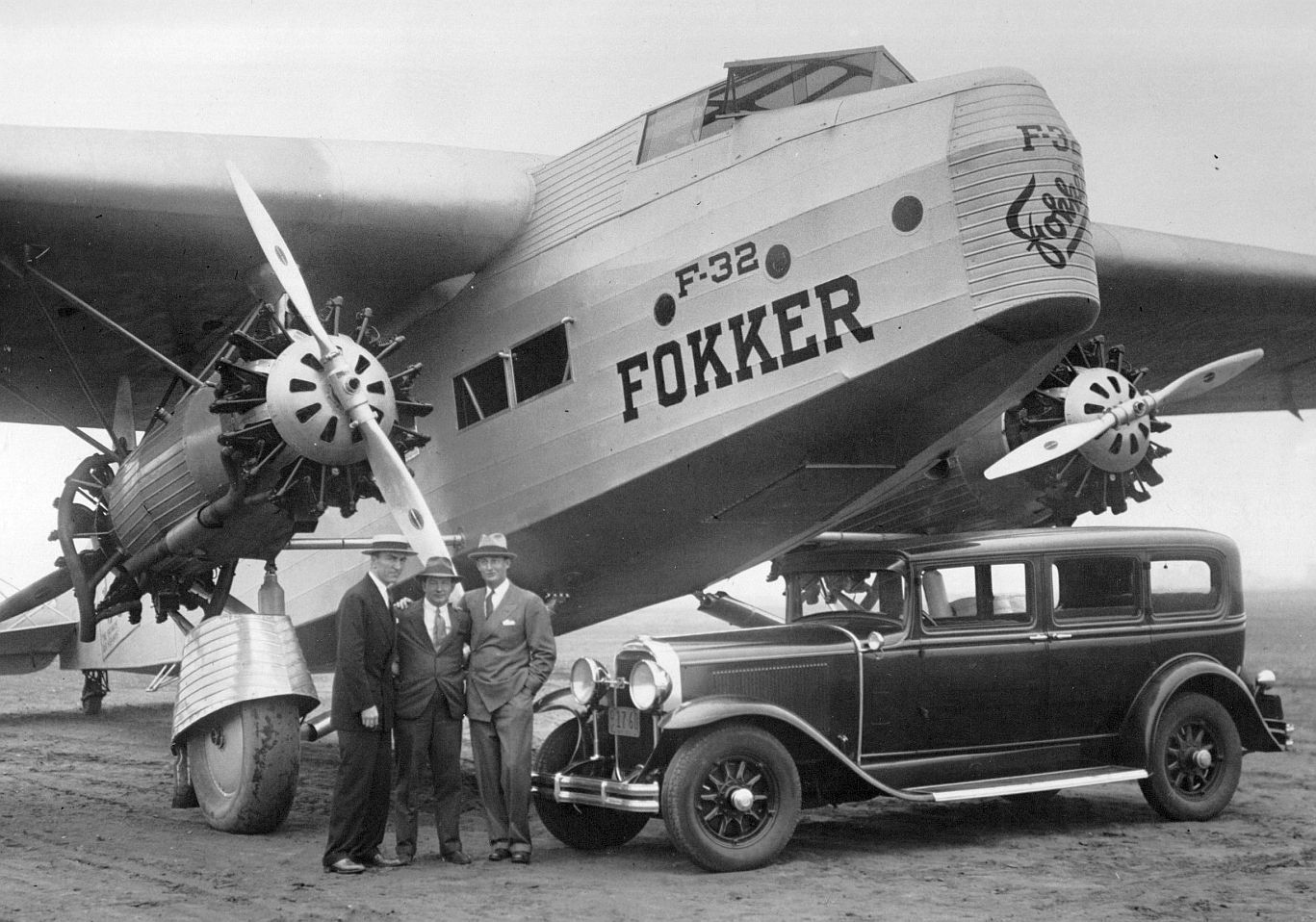
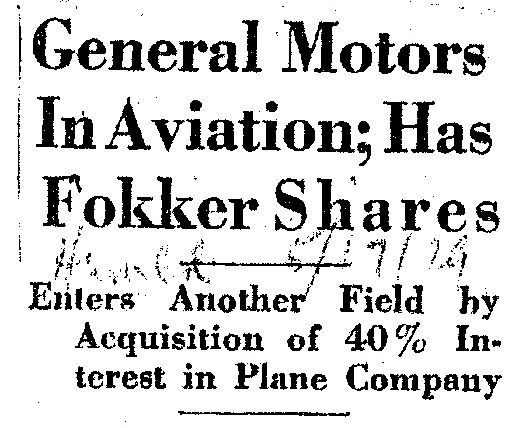
Fokker was one of the last to have managed to avoid this, which led General Motors Corporation (GMC) to acquire a 40% stake in the FACoA in May 1929, thus following its competitor Ford into the aircraft sector.
The Fokker office moved in the fall to the GMC Building, located at 1775 Broadway in New York.
During the turbulent period that followed, GMC, without Fokker's knowledge, also entered into an agreement with Dornier to build its aircraft in America. When it later emerged that the Dornier Corporation of America should be taken over by the FACoA, Anthony Fokker prevented this.
Fokker Offside
The marriage between FACoA and GMC was not a happy one when it became clear that, while Fokker had been performing well up to that point, it had failed to launch successful new products and was using outdated technology. In America, too, Fokker's development of metal construction was still in its infancy.
The Wall Street crash of October 1929 and the subsequent period of general economic malaise also led to a sharp drop in sales, which GMC used to tighten the reins.
On May 25, 1930, an umbrella aviation holding company, the General Aviation Corporation (GAC), was established, which through a series of stock transactions and transfers of manufacturing rights, obtained full control of the FACoA.
Anthony Fokker was sidelined as owner, although he remained 'director of engineering'.
GMC also acquired a small metal aircraft manufacturing company, which had since been renamed Metalair Corporation. When this company was incorporated into the GAC holding company in June 1931, Anthony Fokker had had enough. He ended his relationship with the aircraft manufacturer and succeeded in regaining the use of his name and in having the option granted to GMC to buy his Dutch factory expire.
With Anthony Fokker, Alfred Gassner also disappeared as chief designer at the FACoA, although Fokker retained his position as 'director' in GAC for several years and remained a shareholder.
A new beginning
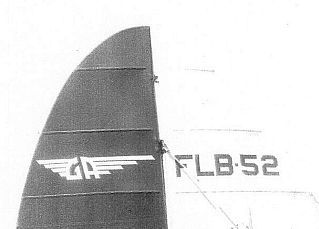
Since Fokker had regained the rights to his name, the FACoA was renamed the General Aviation Manufacturing Corporation (GAMC) shortly after the separation.
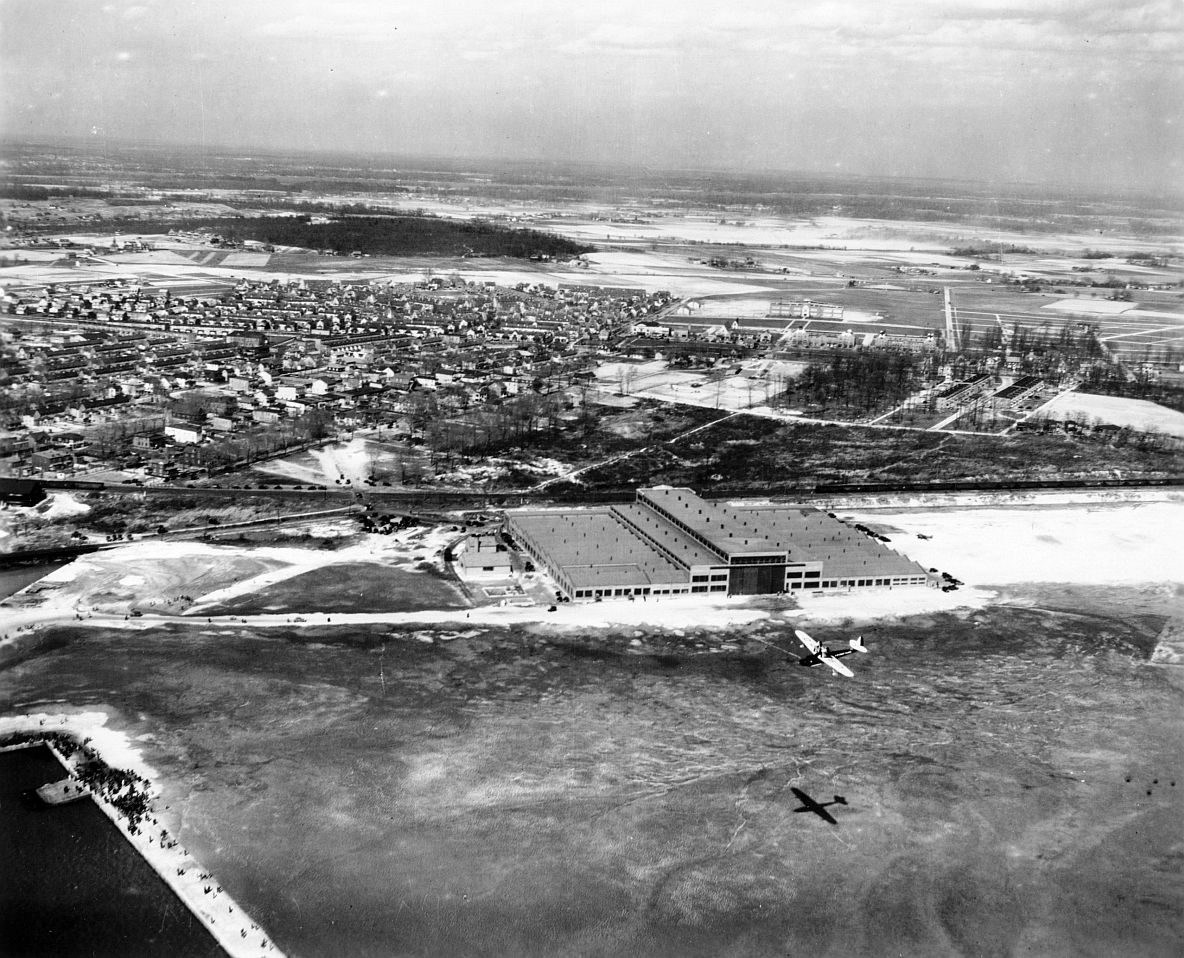
Before the end of 1931, the former Fokker factories were closed and a single, brand-new production facility was rented in Dundalk, Maryland. This facility had been intended for Curtiss-Caproni and was located on a newly reclaimed airfield on Patapsco, but due to the Depression, it was never put into operation.
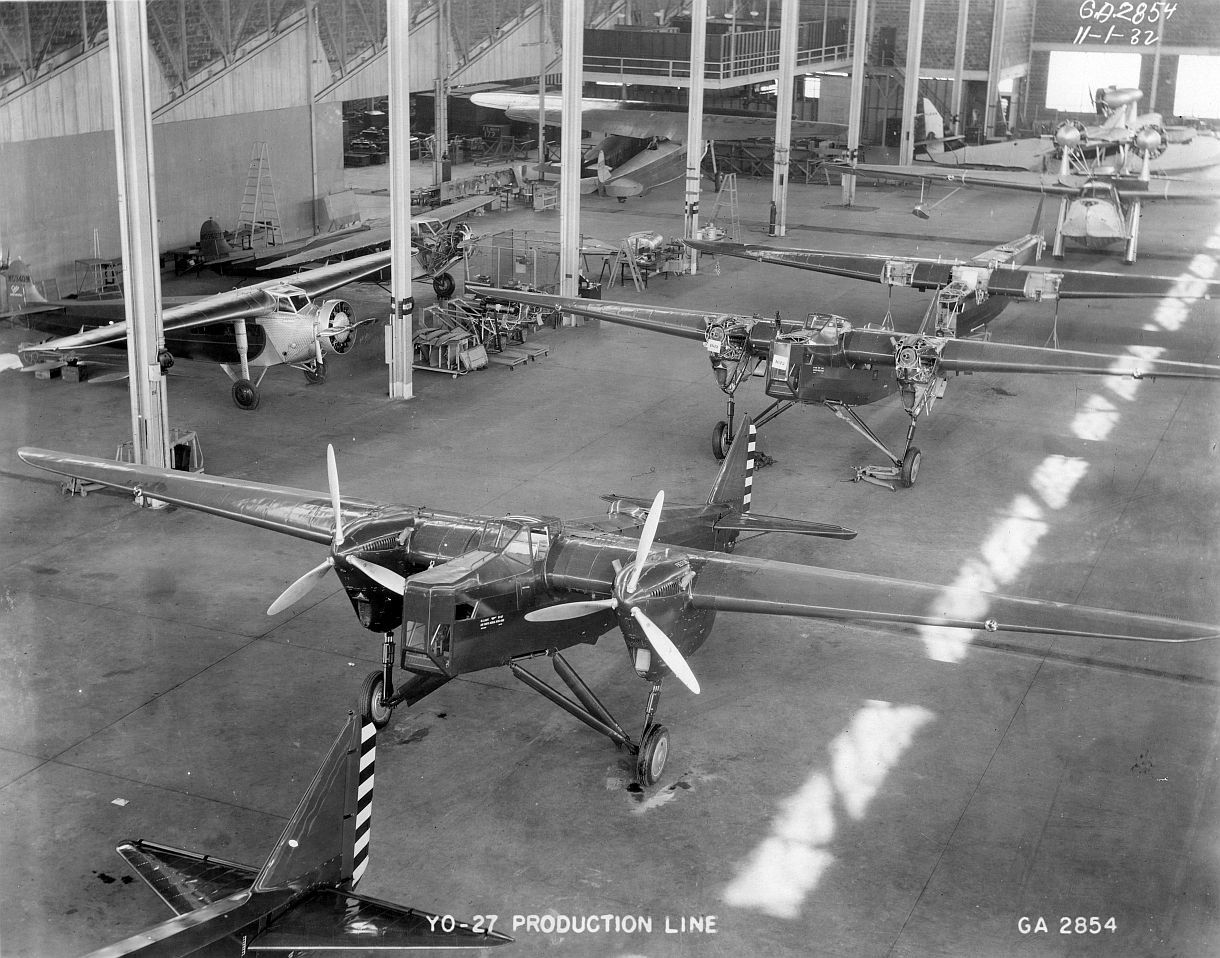
The move also resulted in many employees losing their jobs, while the remaining workforce continued to build the last orders received on Fokker aircraft, which were now also designated as General aircraft.
North American, Inc.
During this time, the major aviation conglomerates in America became increasingly active and one of them, North American, Inc., gained control of the former Fokker company through a series of takeovers.
As a result, another downsizing and relocation was in order in September 1934 when the company merged with B/J Aircraft Corporation in Baltimore, Maryland, but retained the General name.
Under the leadership of James H. 'Dutch' Kindelberger, who had been bought from Douglas, things turned for the better.
When US law required the separation of airline ownership and aircraft production, the production arm continued as North American Aviation Inc. (NAA).
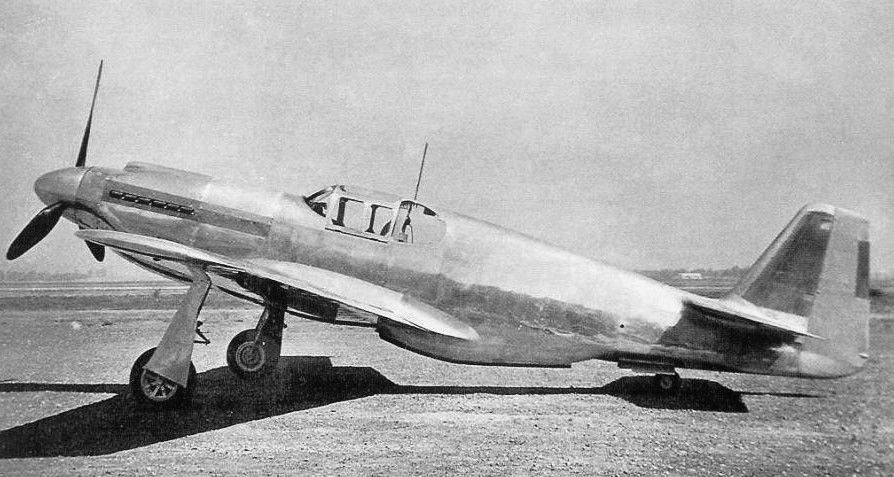
After the subsequent move to Inglewood, California, the company's rapid rise began. A core of Fokker employees had gone through all the transitions and continued to work at NAA during World War II. This is how the designer of the P-51 Mustang, among other aircraft, Edgar Schmued, was a Fokker veteran.
Deliveries by Fokker
Before an American factory existed, Fokker delivered a total of 45 aircraft of 11 different basic models to America.
Subsequently, 135 DH-4M-2 fuselages were built as well as 289 aircraft of American design, while 18 aircraft were also imported during this period.
This is in addition to the German war production that was brought to America, and license production in Canada, Japan, and Manchuria is not included. In the latter country, even slightly modified Super Universals were still being built clandestinely until the end of World War II.
Finally, by the end of the 1930s, Fokker aircraft were only sporadically found in America and the Fokker era there was over (at least for the time being).