American-built Fokkers
At AAC, the devices were indicated with a model number in addition to the type designation.
However, no confirmation has been found for the assignment of the first three model numbers. However, three types are eligible:
- An improved C.IV delivered to America as CV/A-1
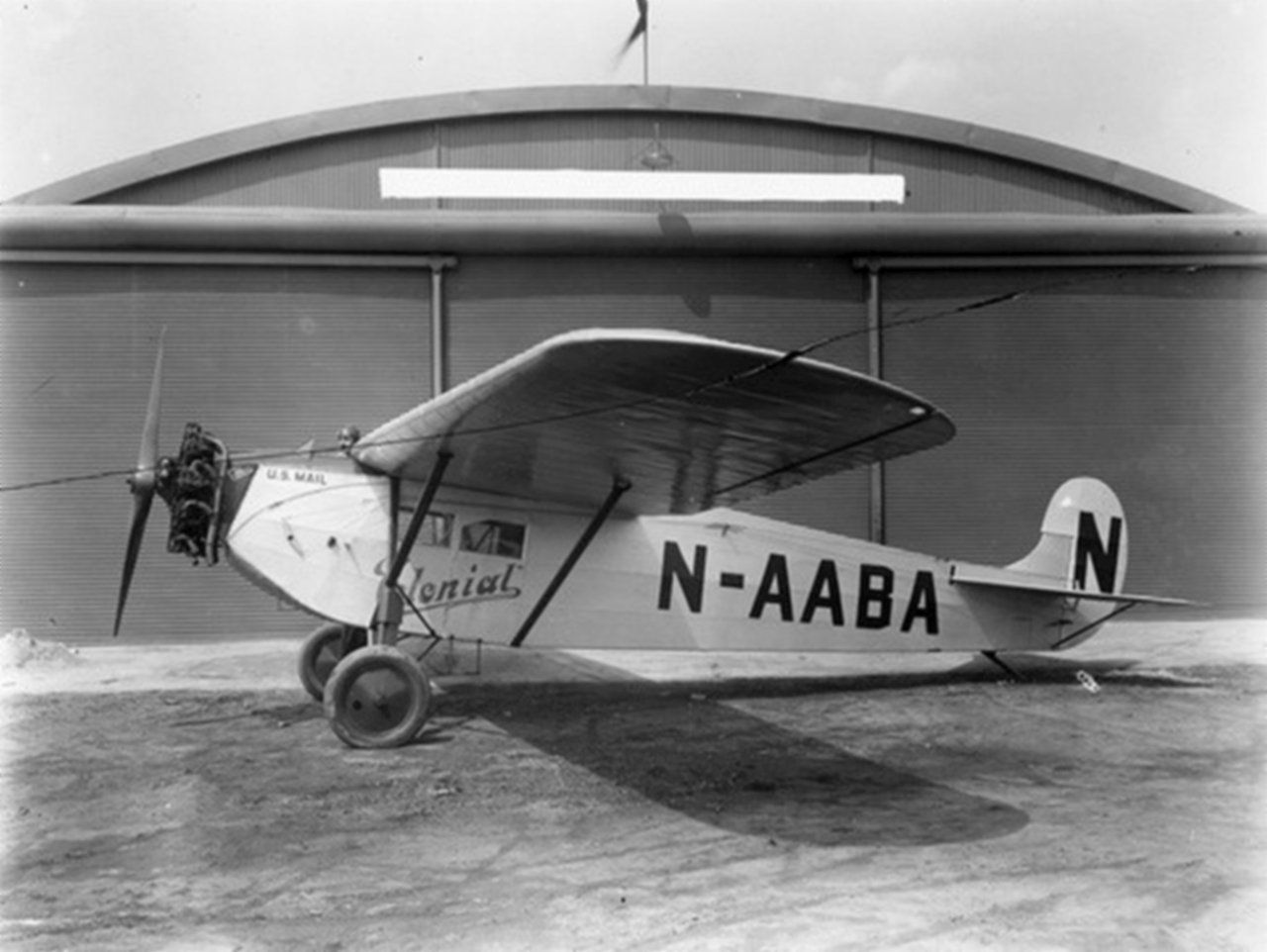
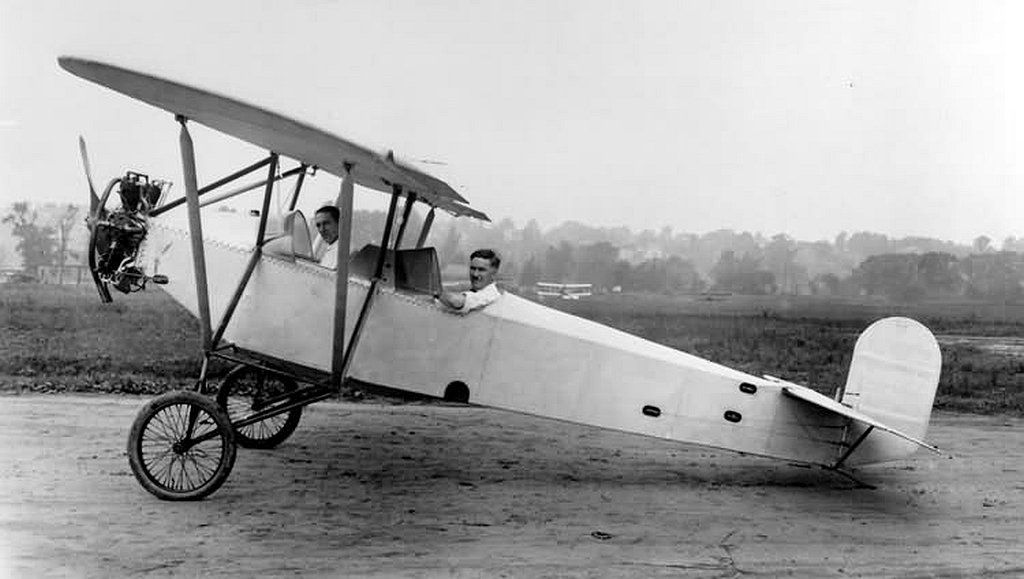
- The S.III/S-3, which was extensively rebuilt in America
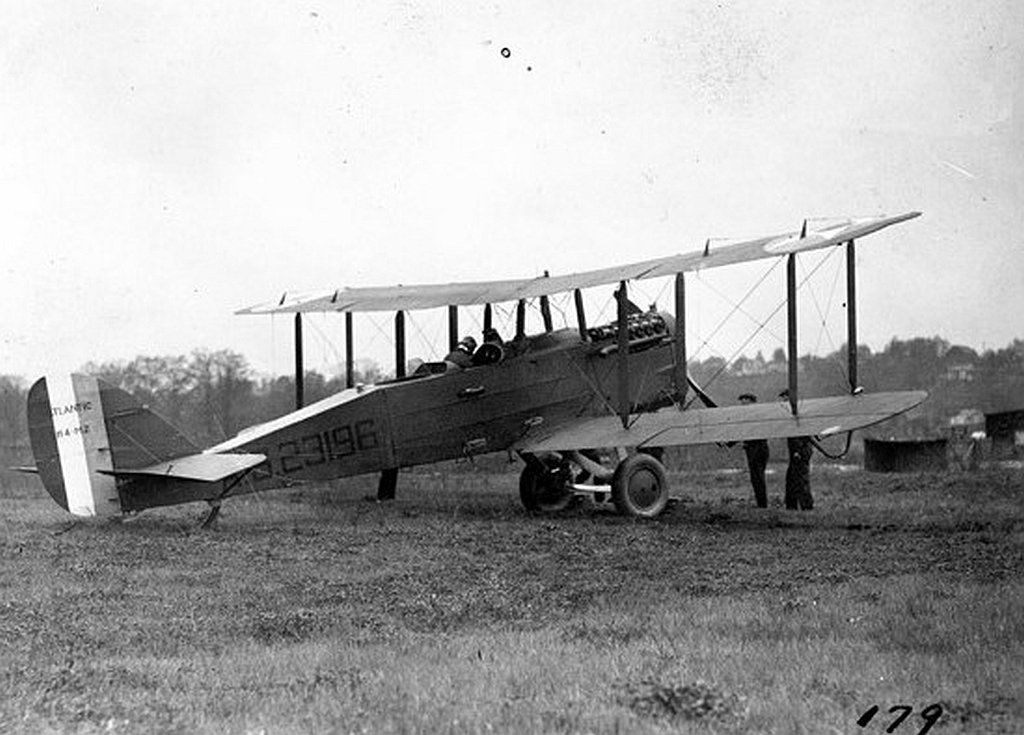
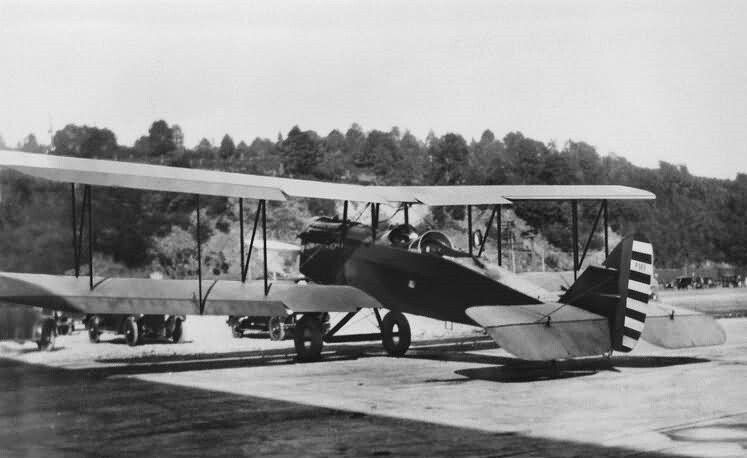
- The serial production of the DH-4M-2 fuselages.
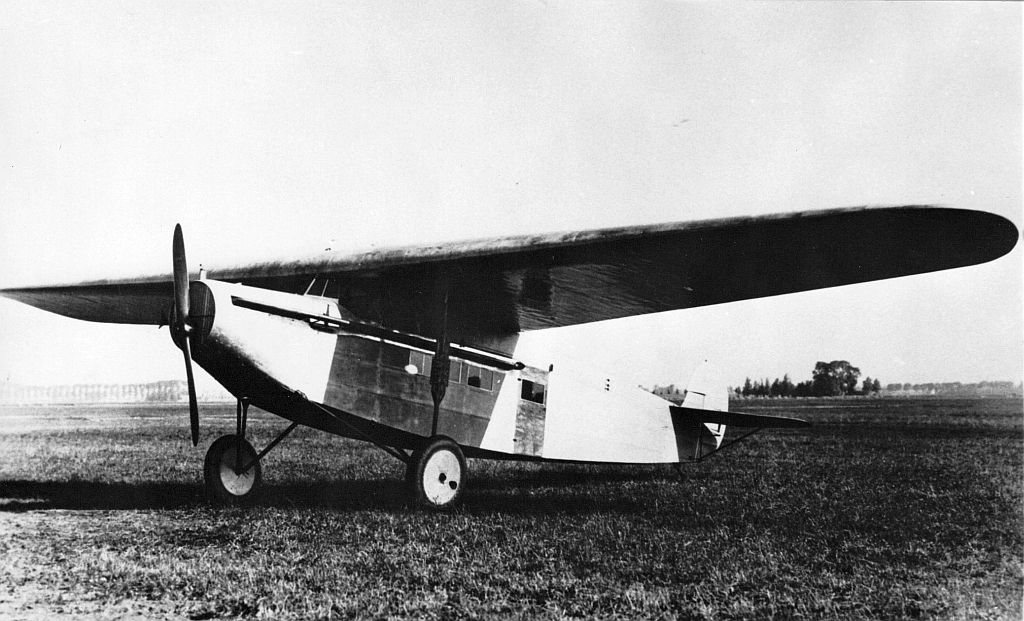
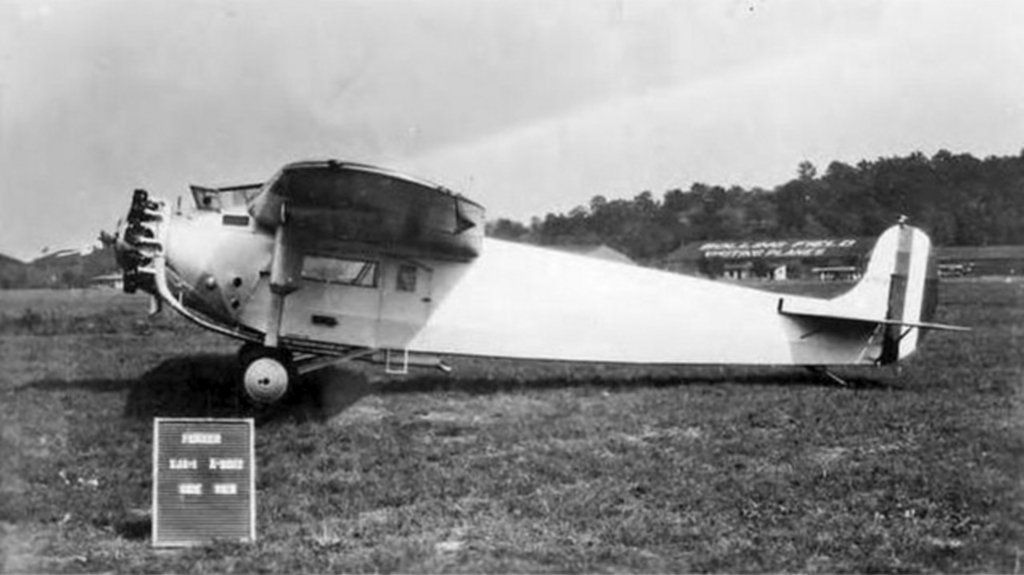
The entirely American-developed Universal was then released as Model 4. Although Peter Bowers suggests the XLB-2 bomber was a Model 5, this is less likely. The single-engine F.VII and the F.VII/3m had already been purchased by AAC much earlier.
The first may have been Model 5 and the second was listed as Model 6.
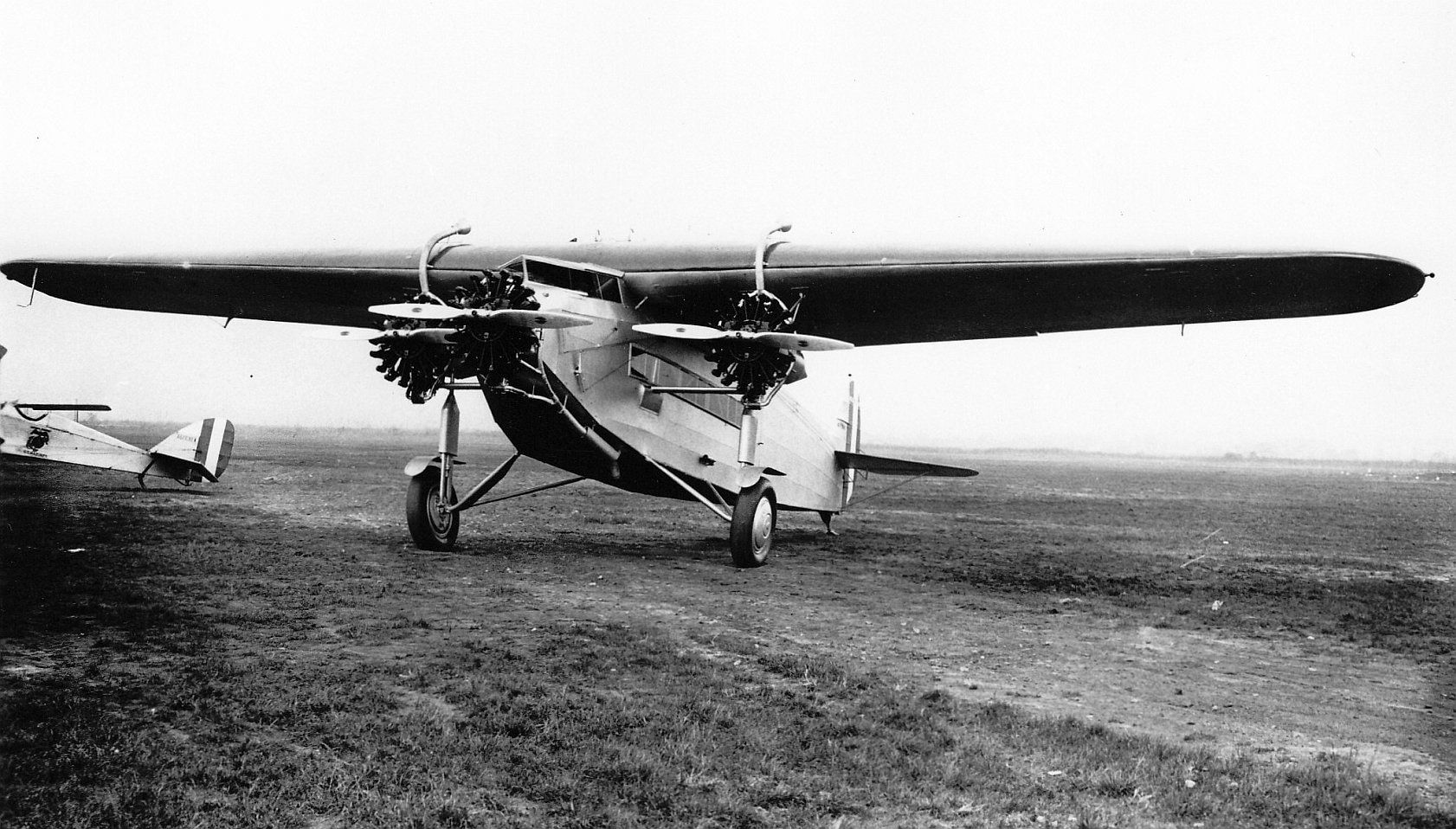
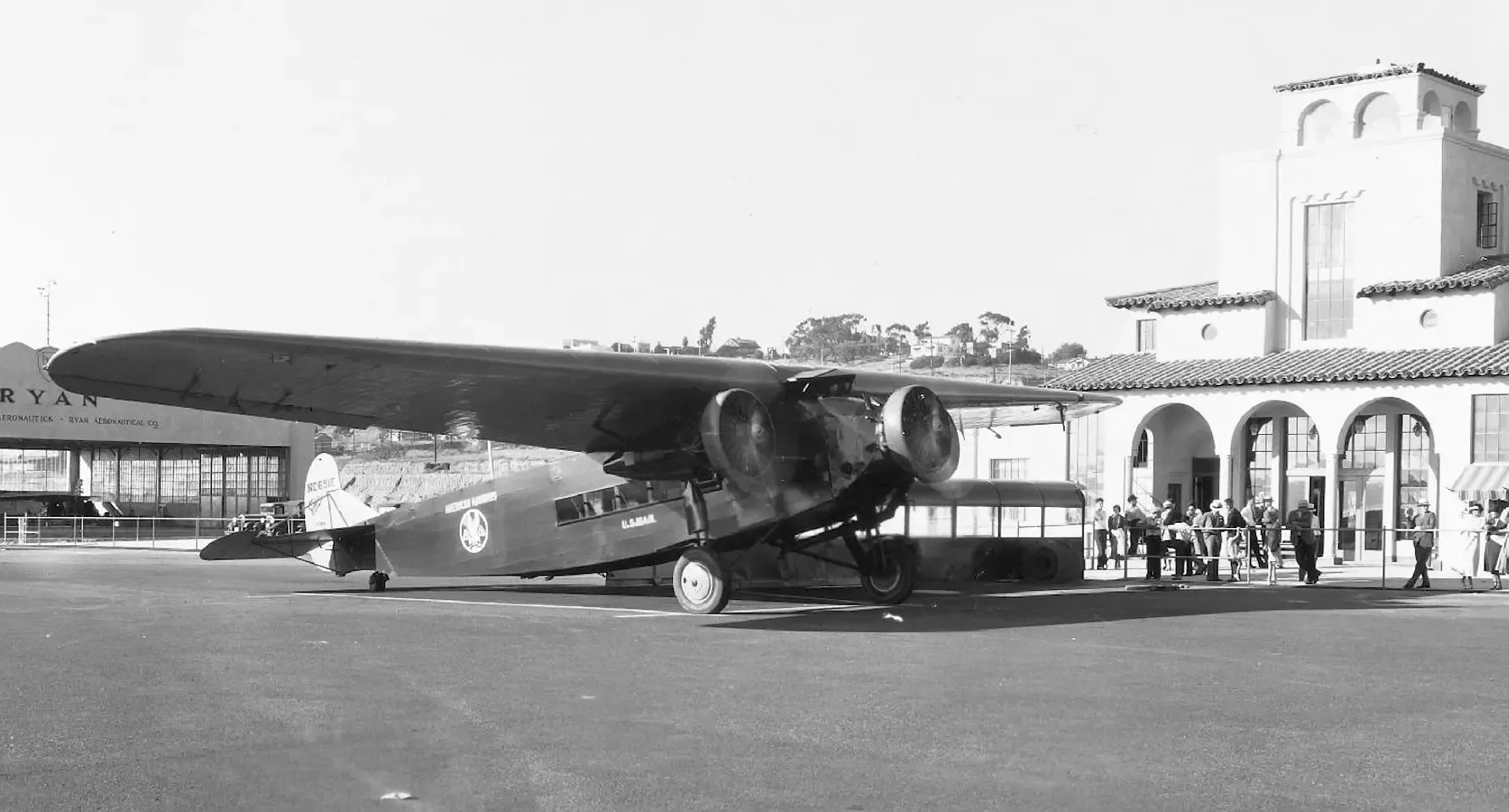
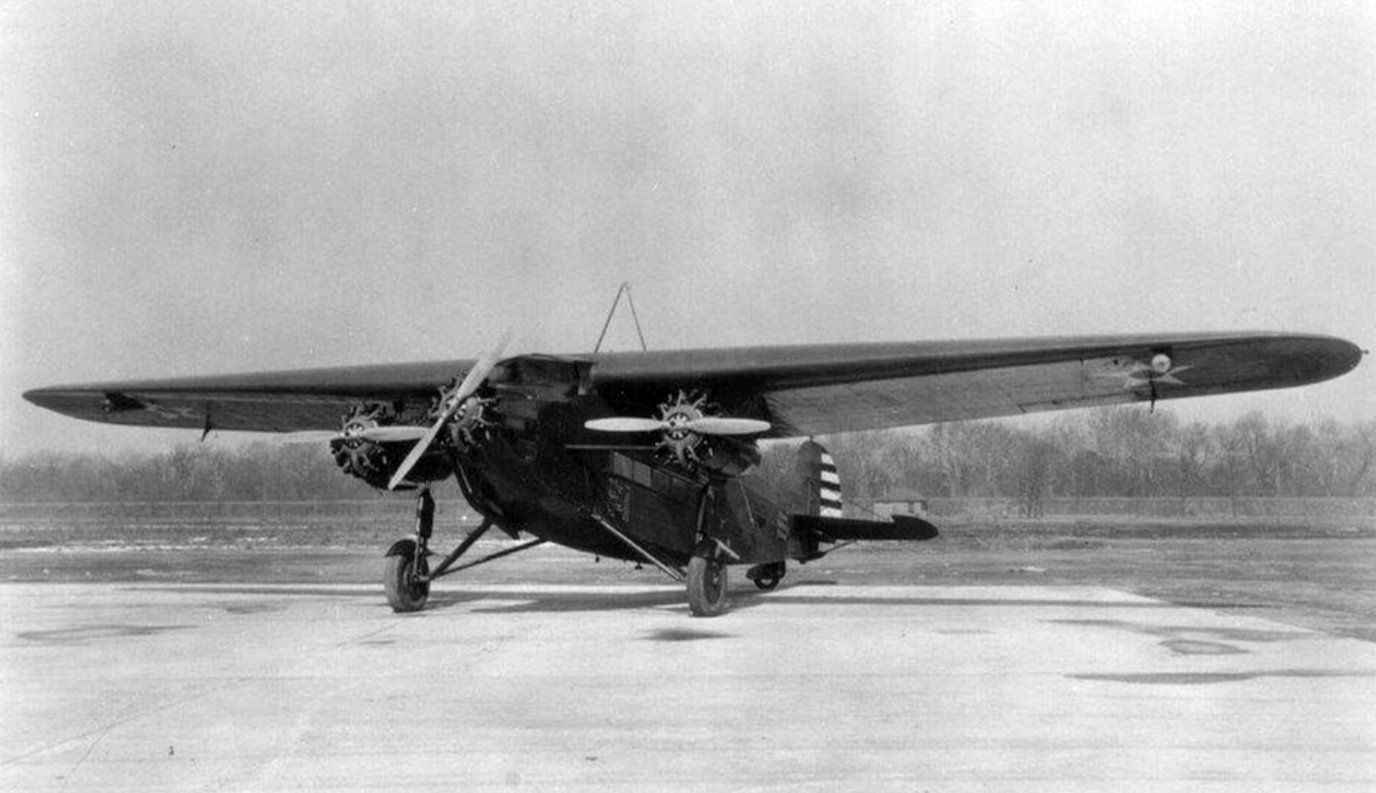
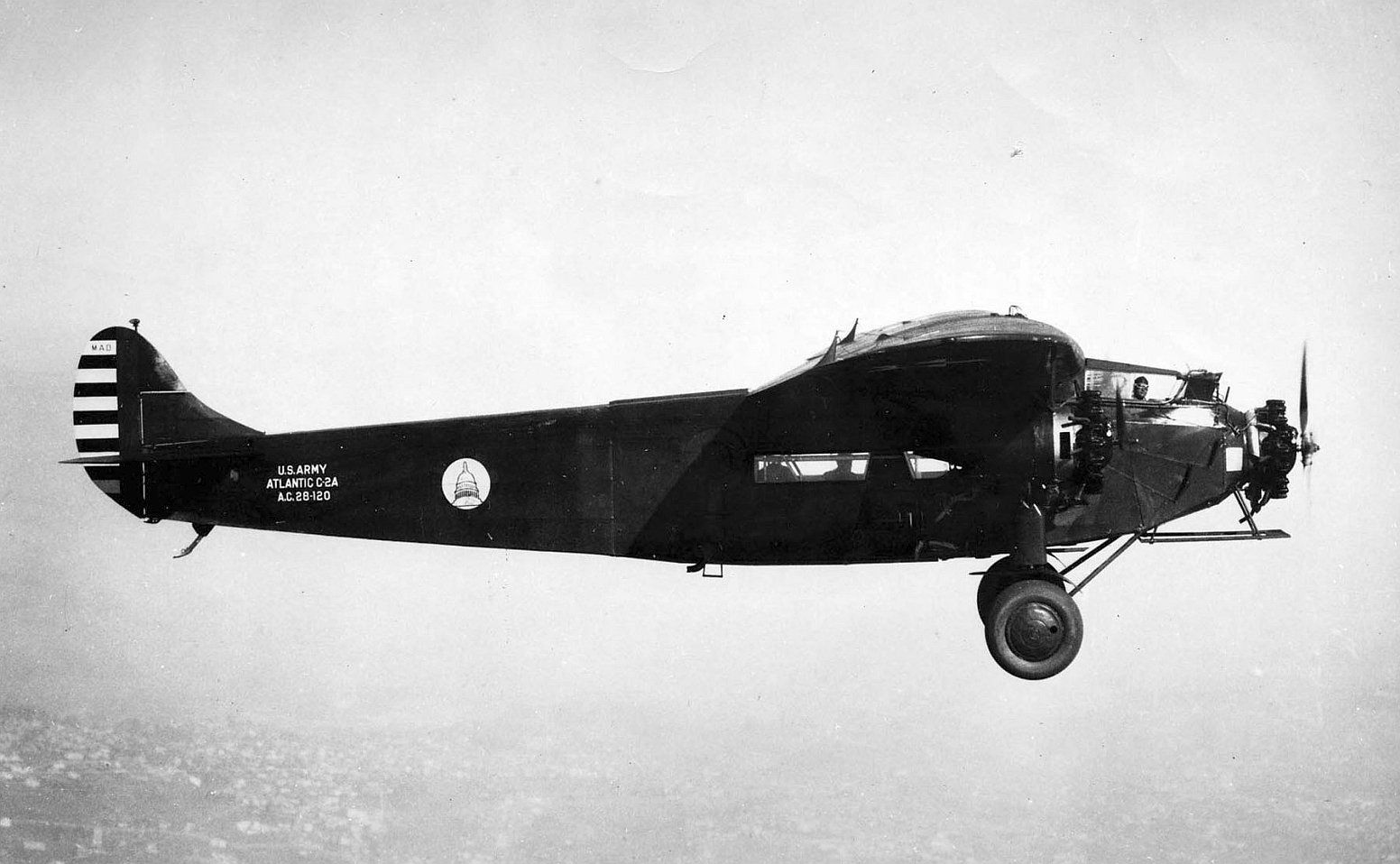
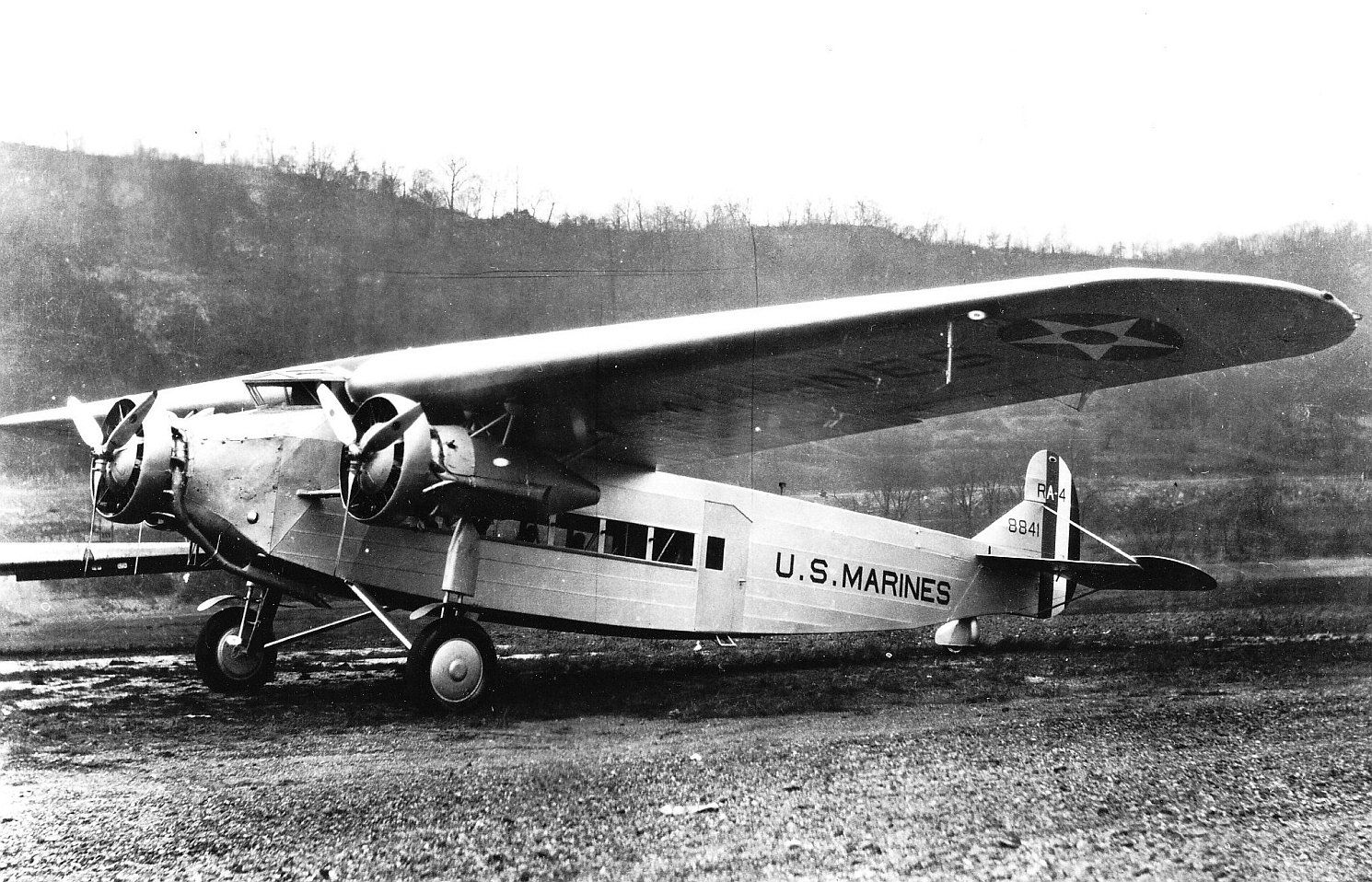
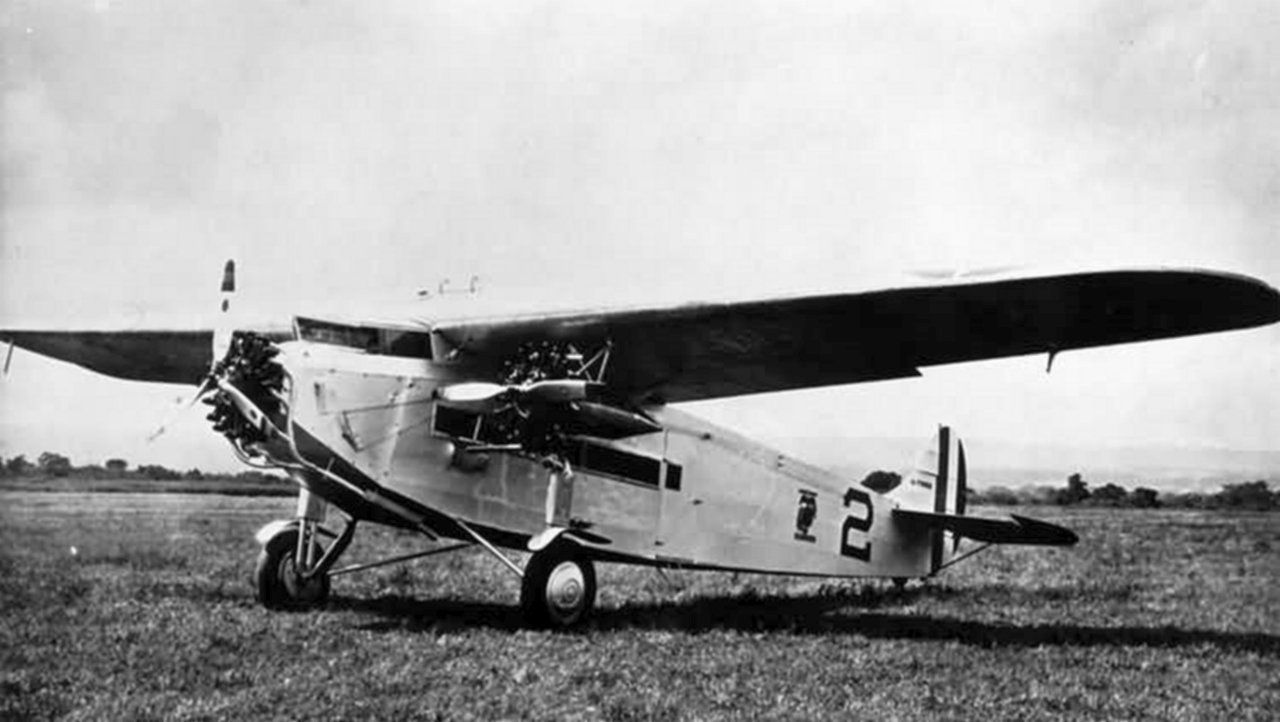
A F.VII/3m modified to American specifications, produced as C-2 (Army) and TA (Navy) was designated Model 7 in its civil version.
Model 8 was originally assigned to a small sports plane, the Skeeter, but later also used for the Super Universal. Model 9 also consisted of two distinct types.
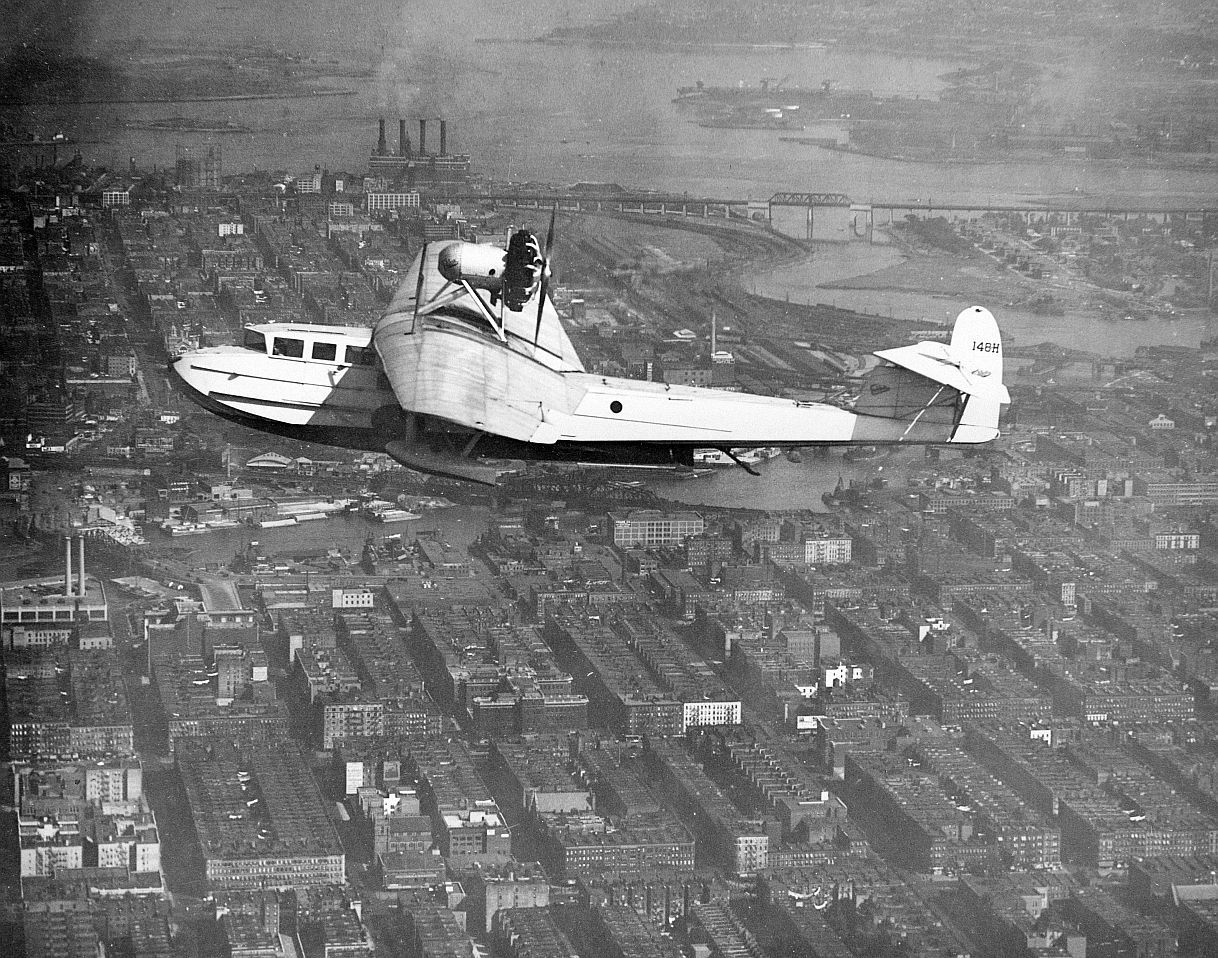
The first was an imported B.IIIc flying boat and the second was the F-11 flying boat/amphibious.
This one had a metal B.IV fuselage built in the Netherlands. It was finished in America, fitted with a wing produced there.
After that, the model numbers become less confusing:
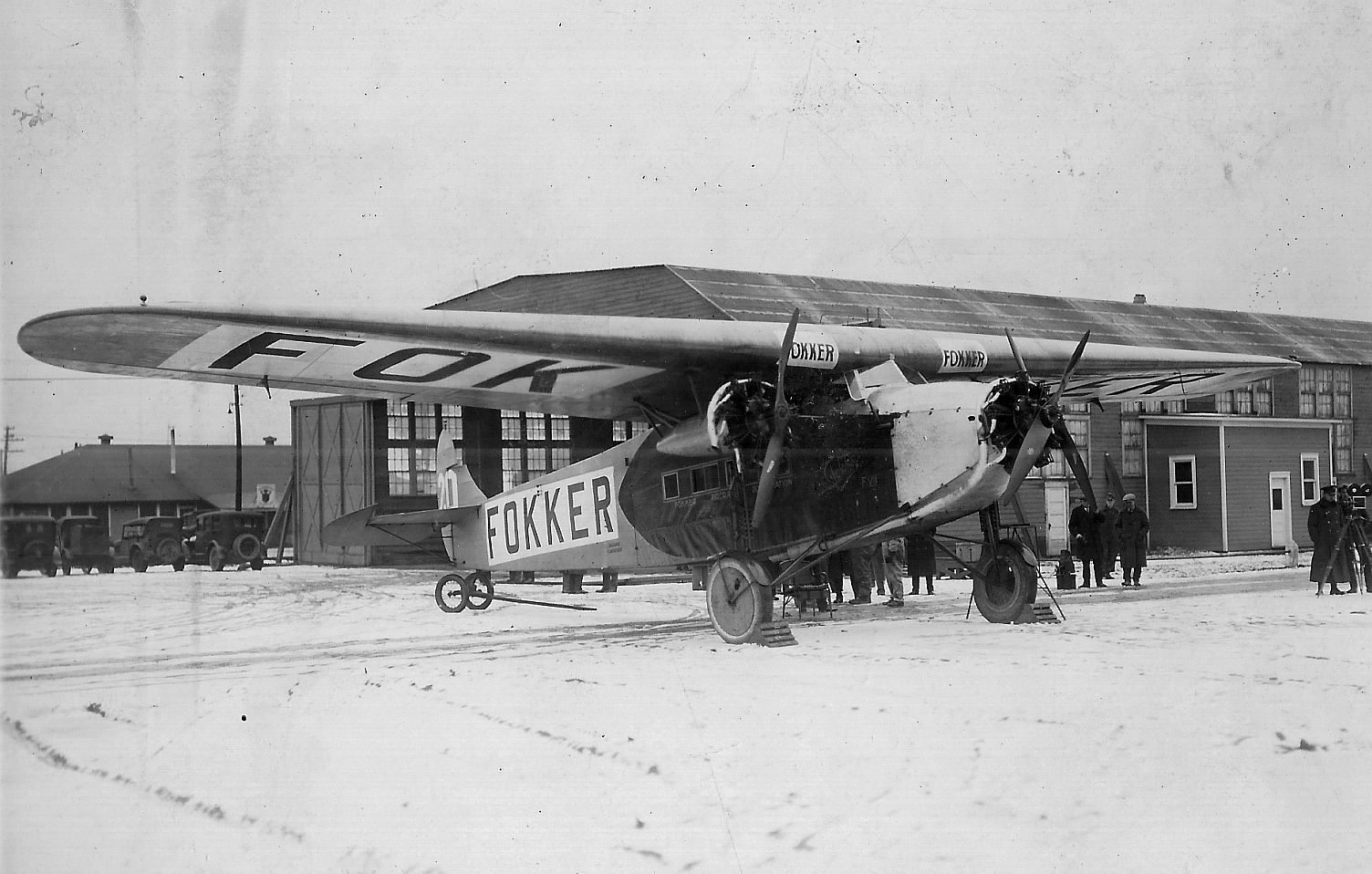
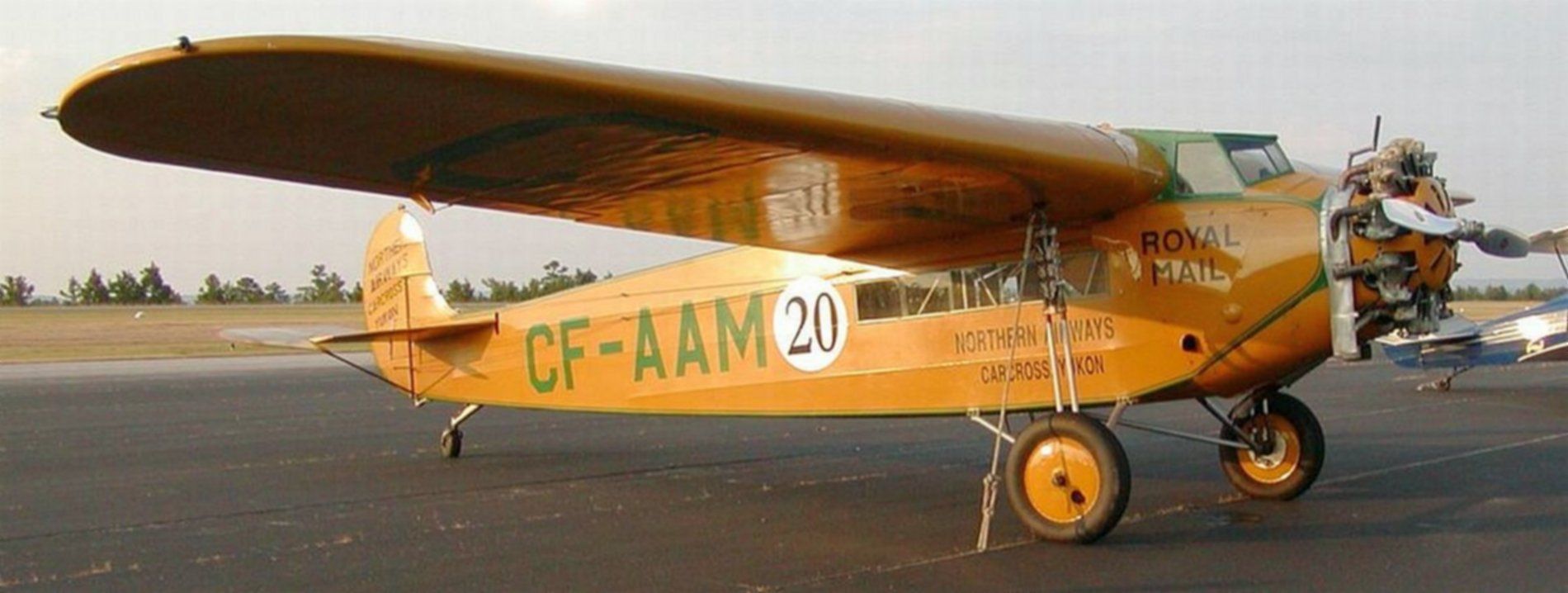
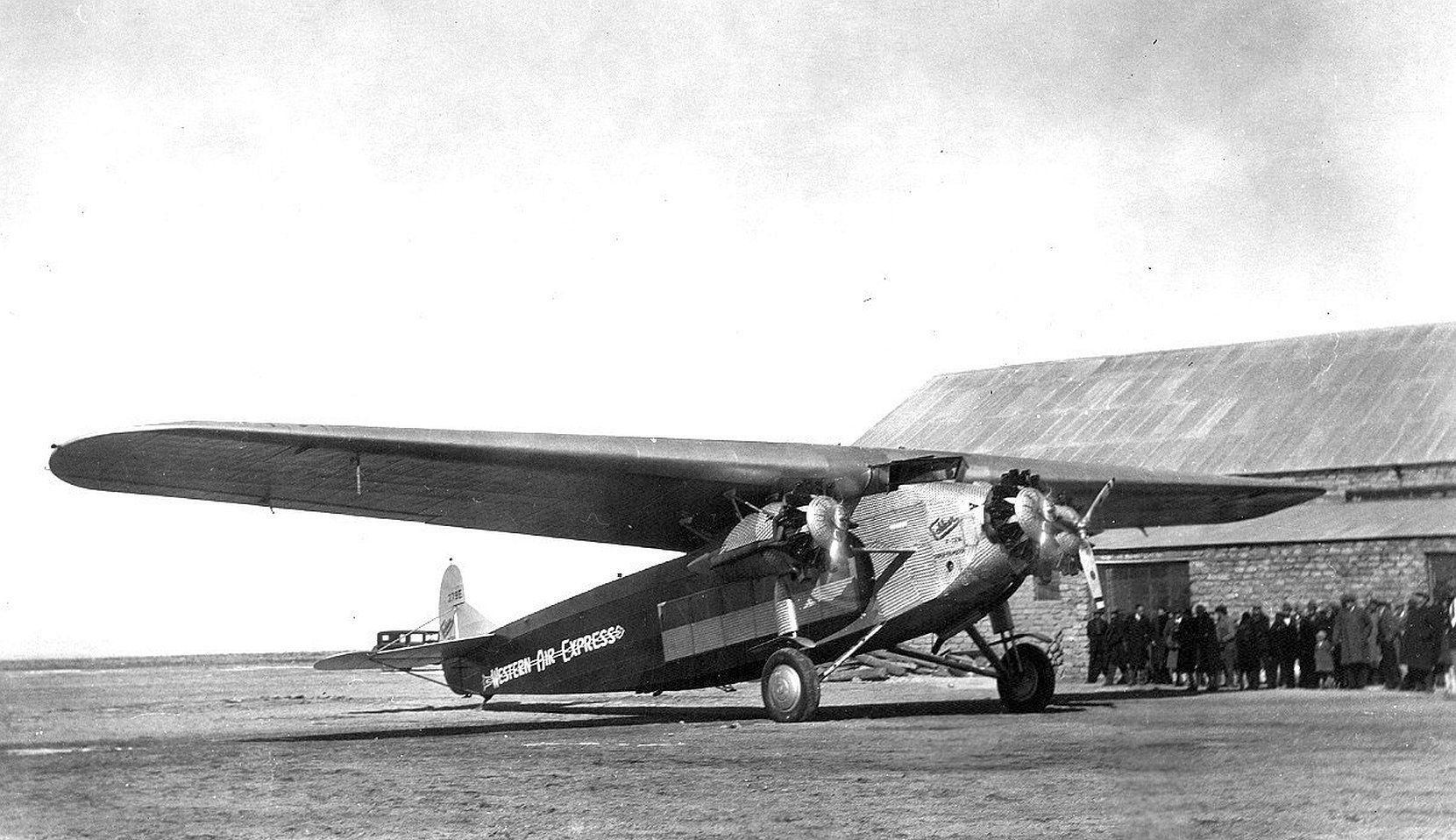
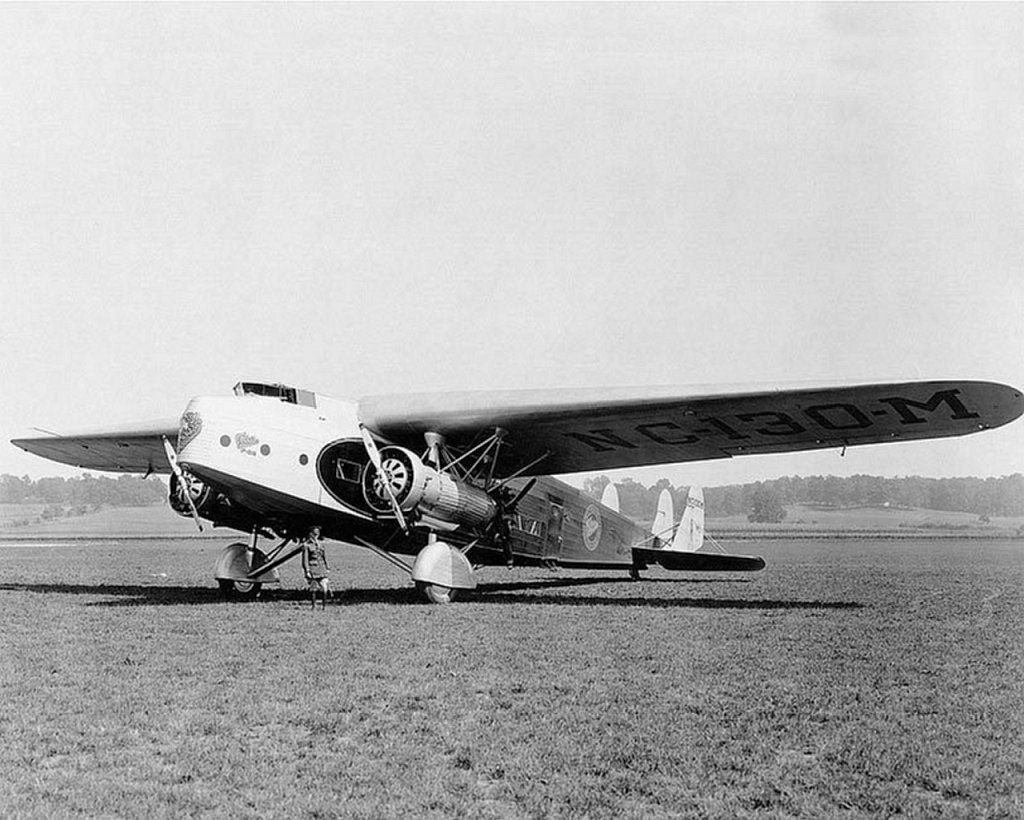
- Model 10 was used for the F-10 and F-10A (Super) Trimotor
- Model 11 was the H-51, a small metal-hulled aircraft designed by Huff
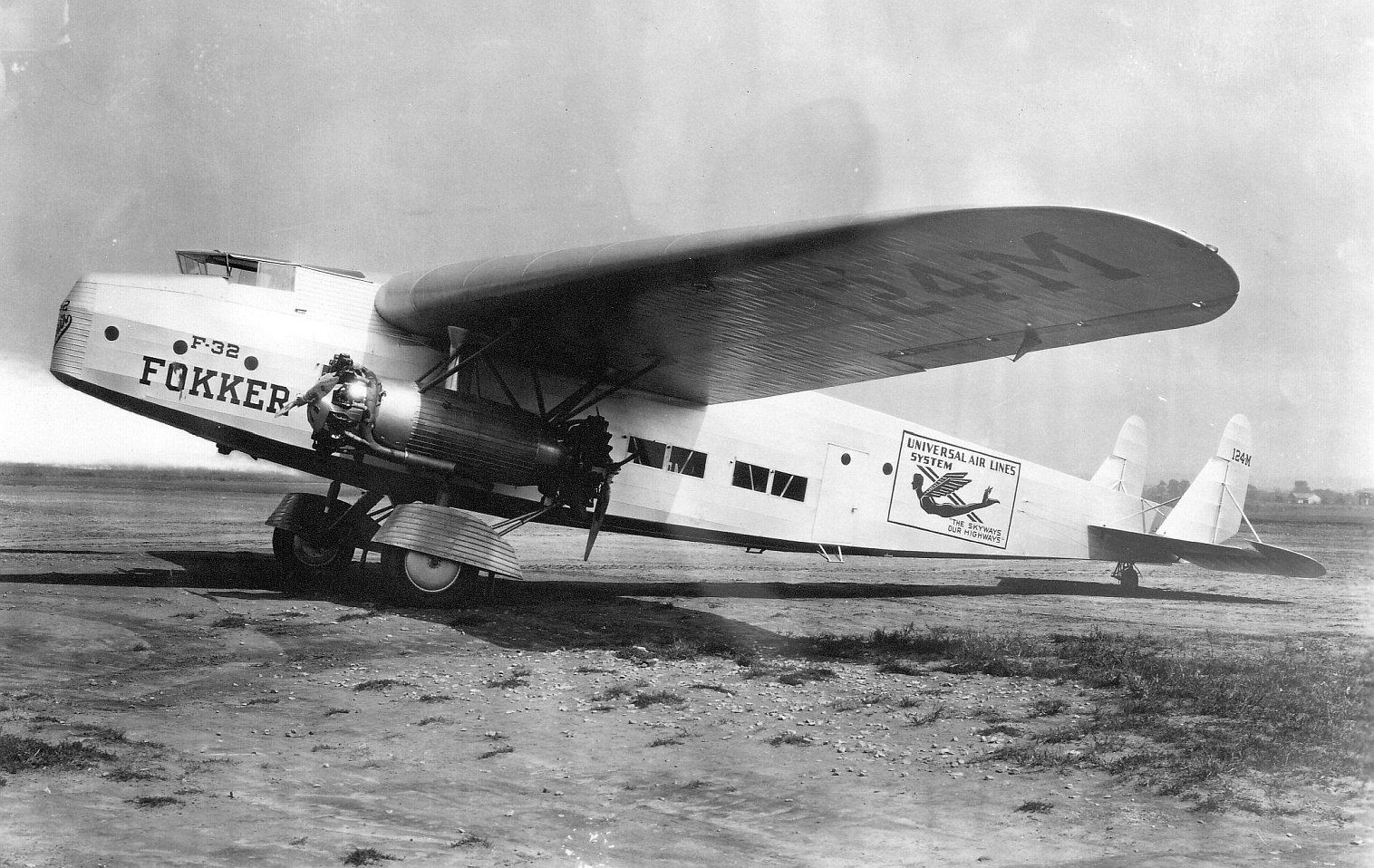
- Model 12 was the F-12, later called the F-32 after the maximum number of occupants
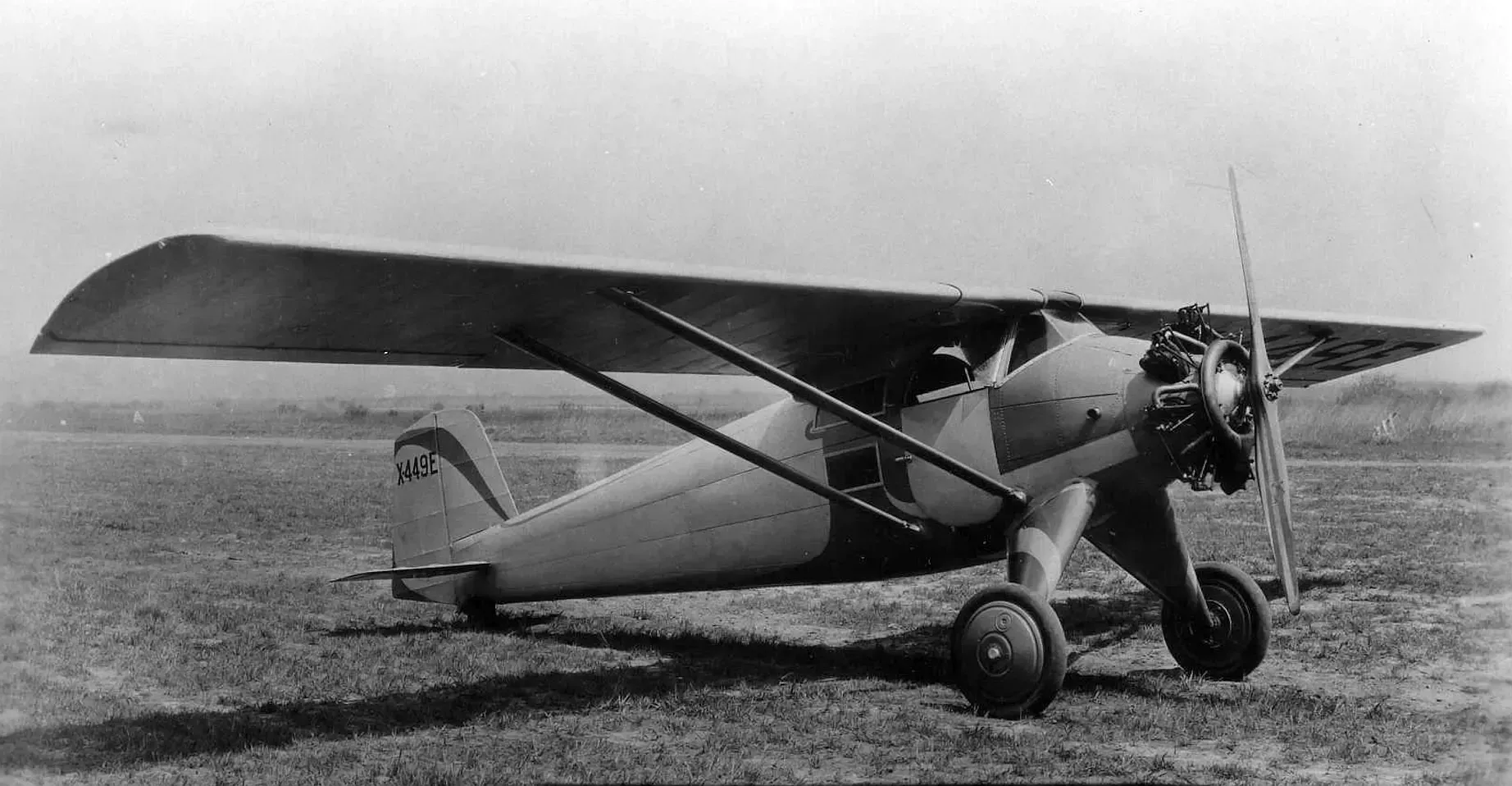
- The Model 13 was a small, single-engine parasol-wing aircraft about which little is known.
- Model 14 was used for the F-14 parasol-wing aircraft for civil aviation
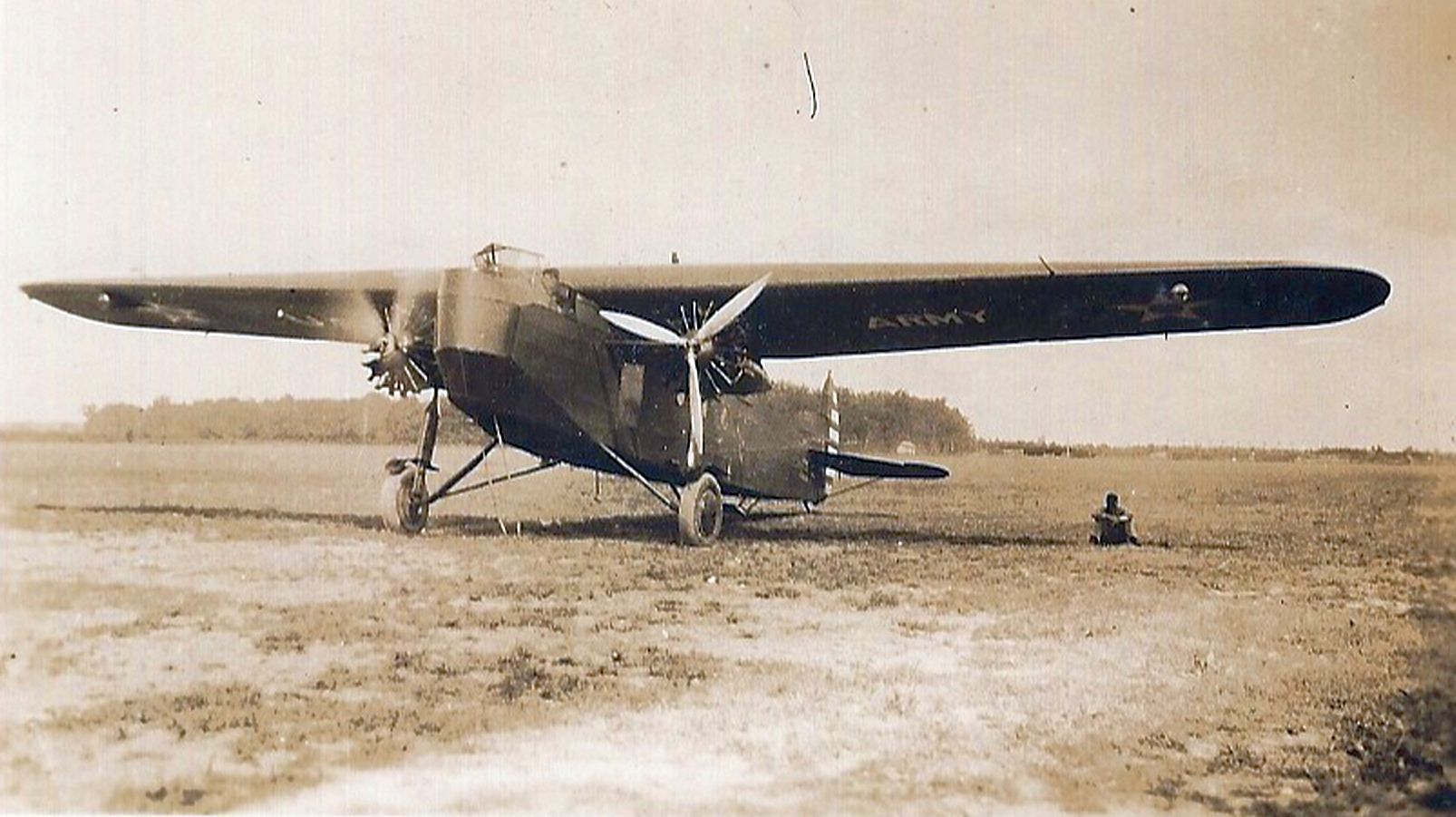
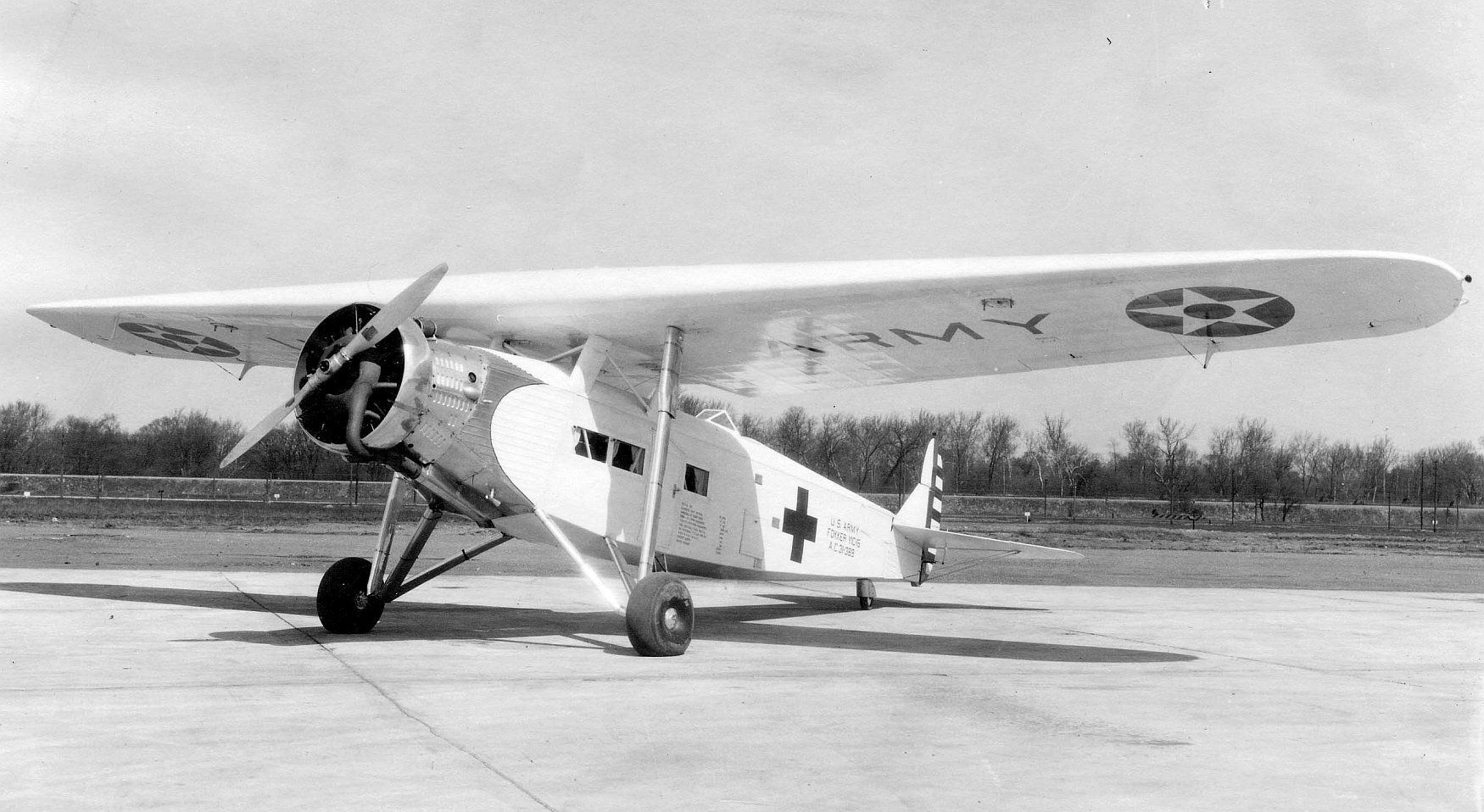
- Model 15 was another military Trimotor, namely the C-7A, of which the civil version F-9 was not built
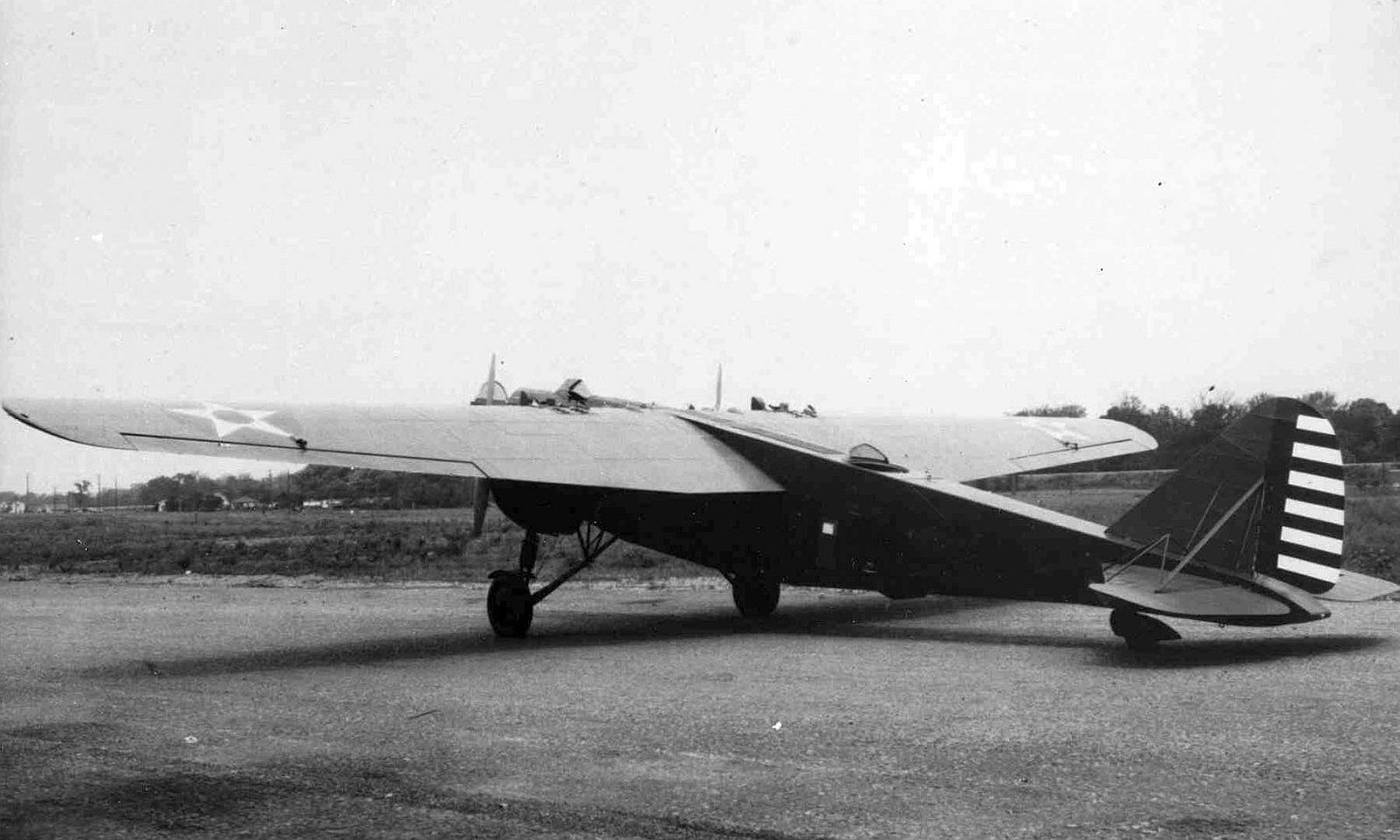
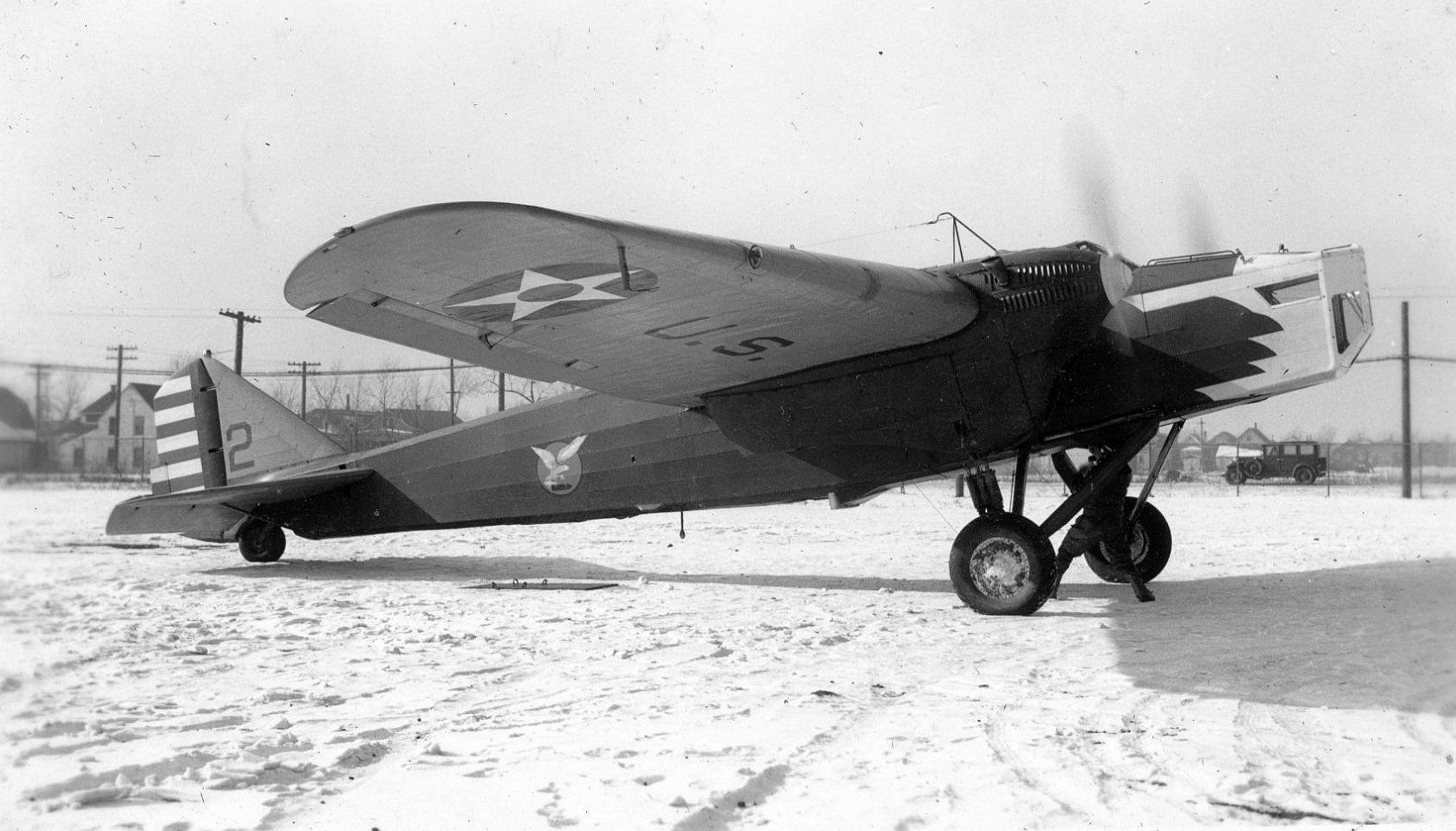
- The Model 16 was a twin-engine military reconnaissance aircraft for the Air Corps, designated the O-27, with one example also being supplied as a B-8 bomber.
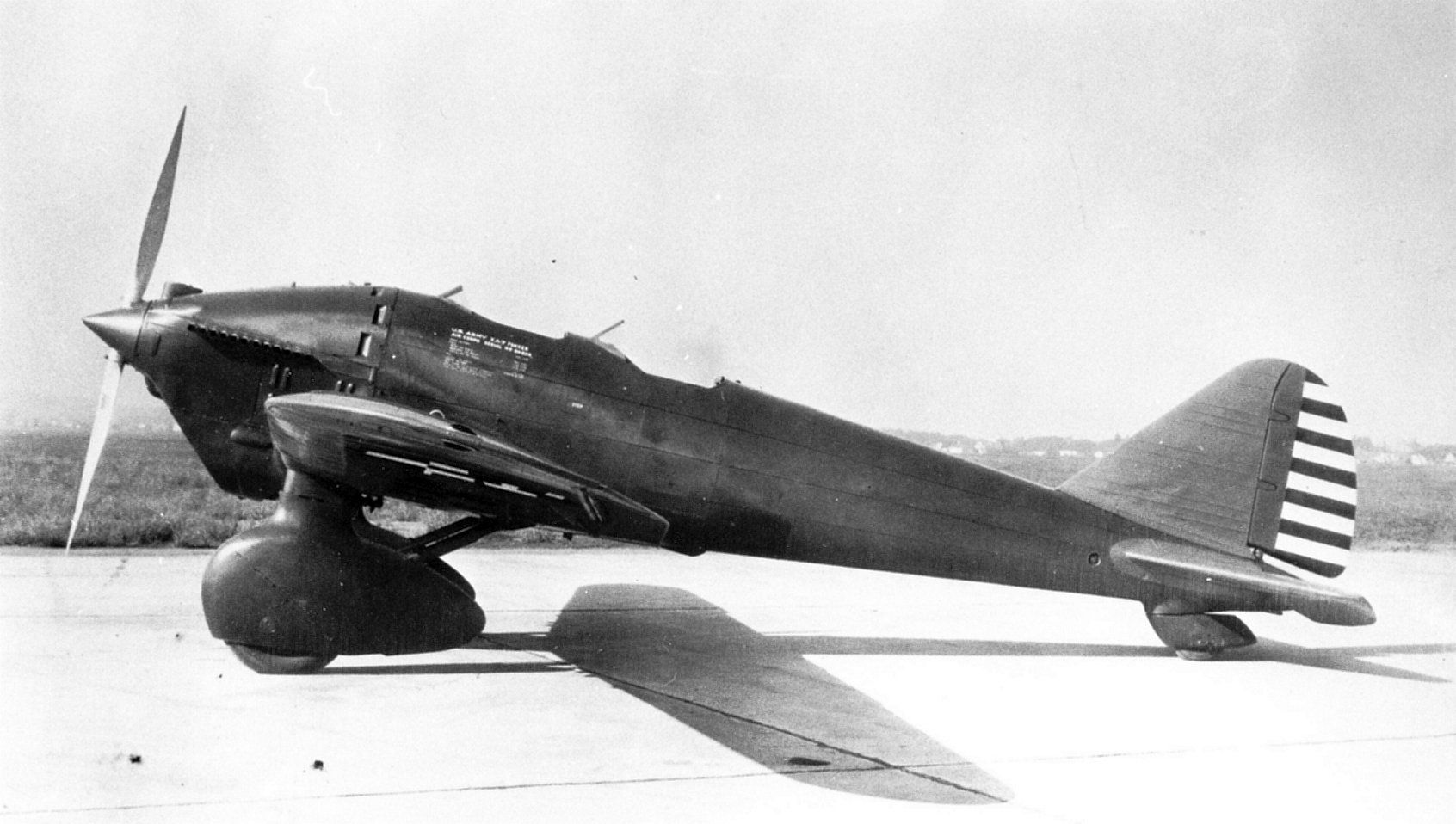
- Model 17 was an all-metal attack aircraft for the Air Corps, the A-7
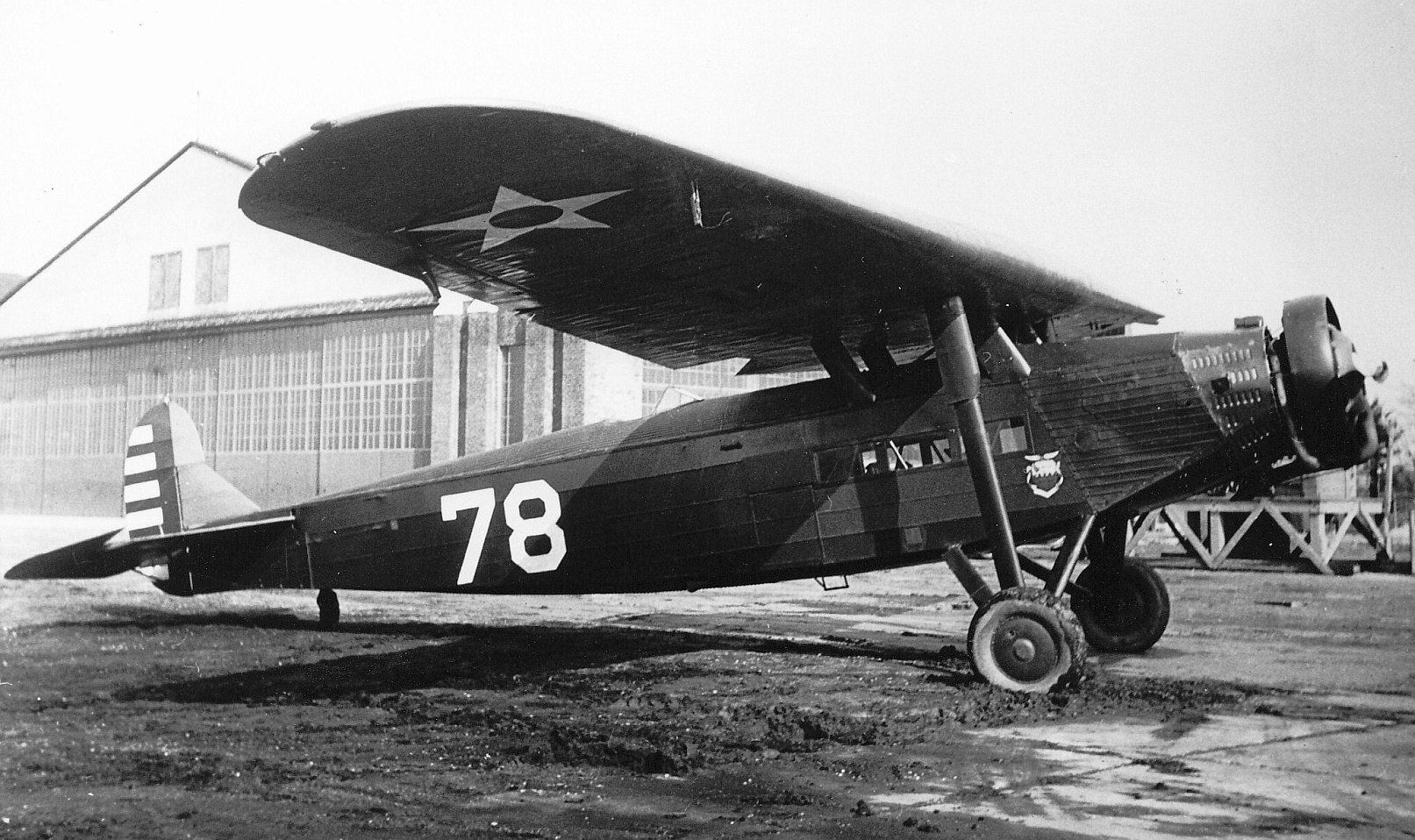
- The Model 18 was a military version of the F-14, which entered service with the Air Corps as the C-14
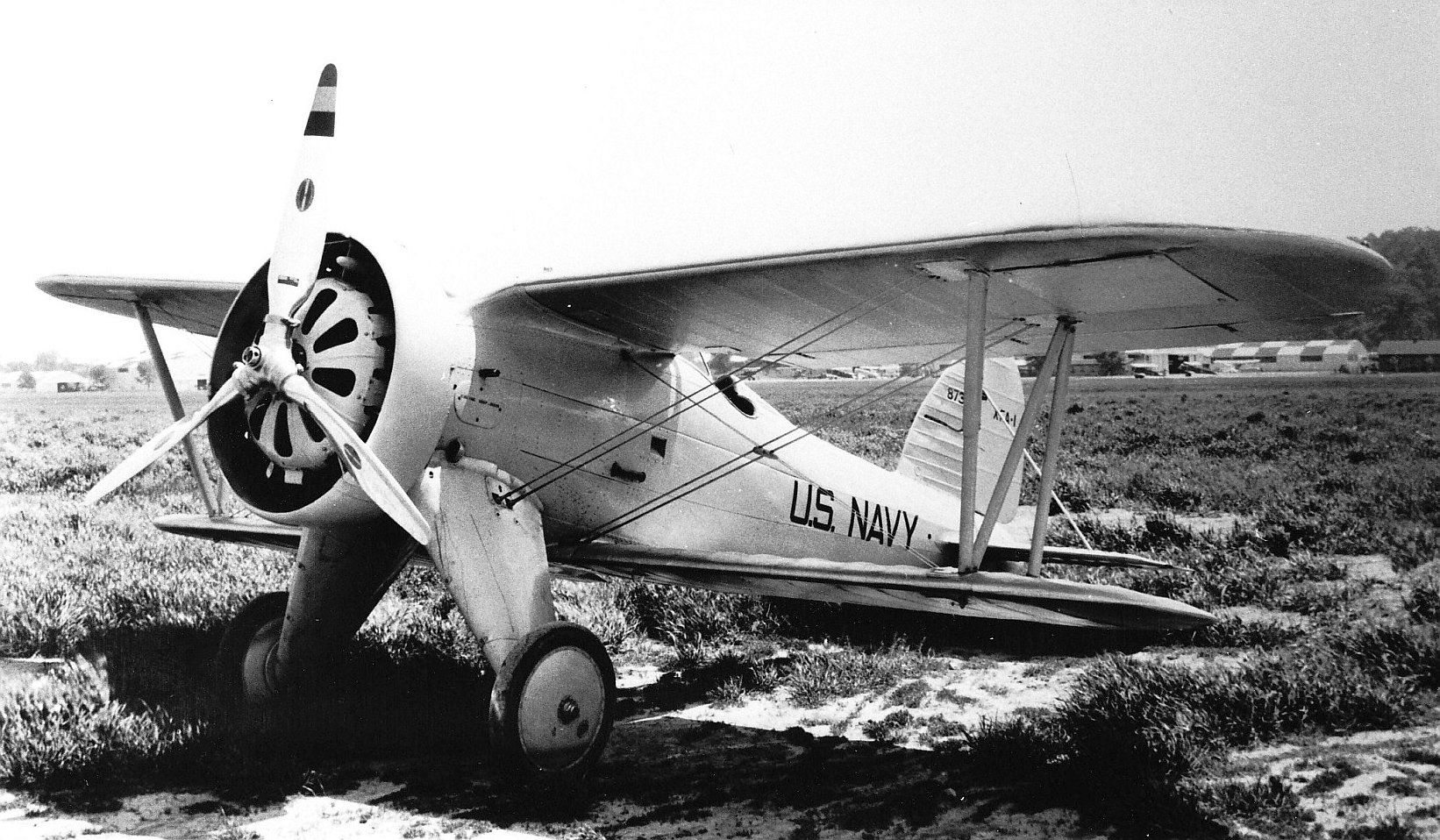
- Model 19 (uncertain) was the H-54, the Huff-designed FA-1 fighter aircraft for the Navy
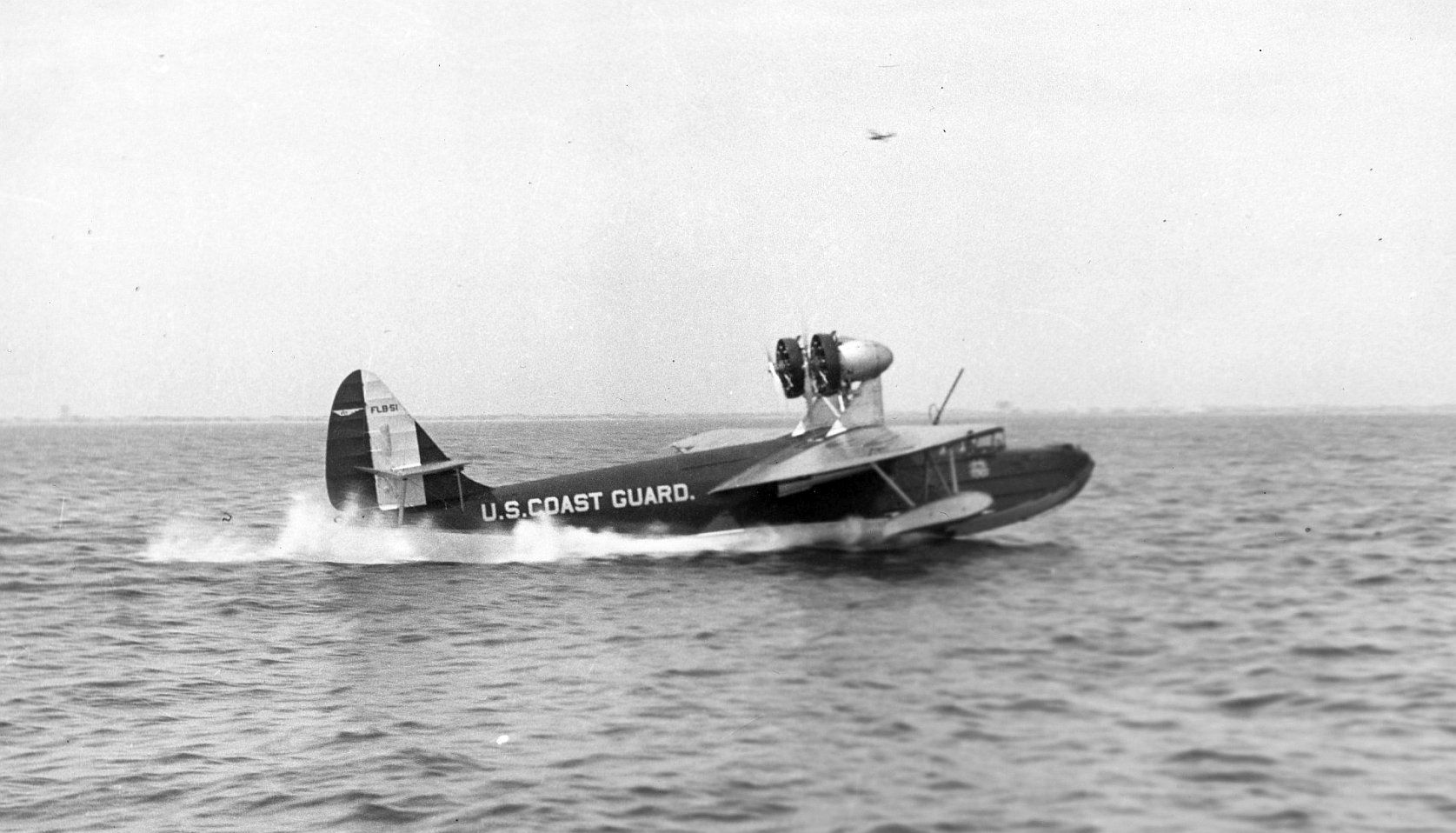
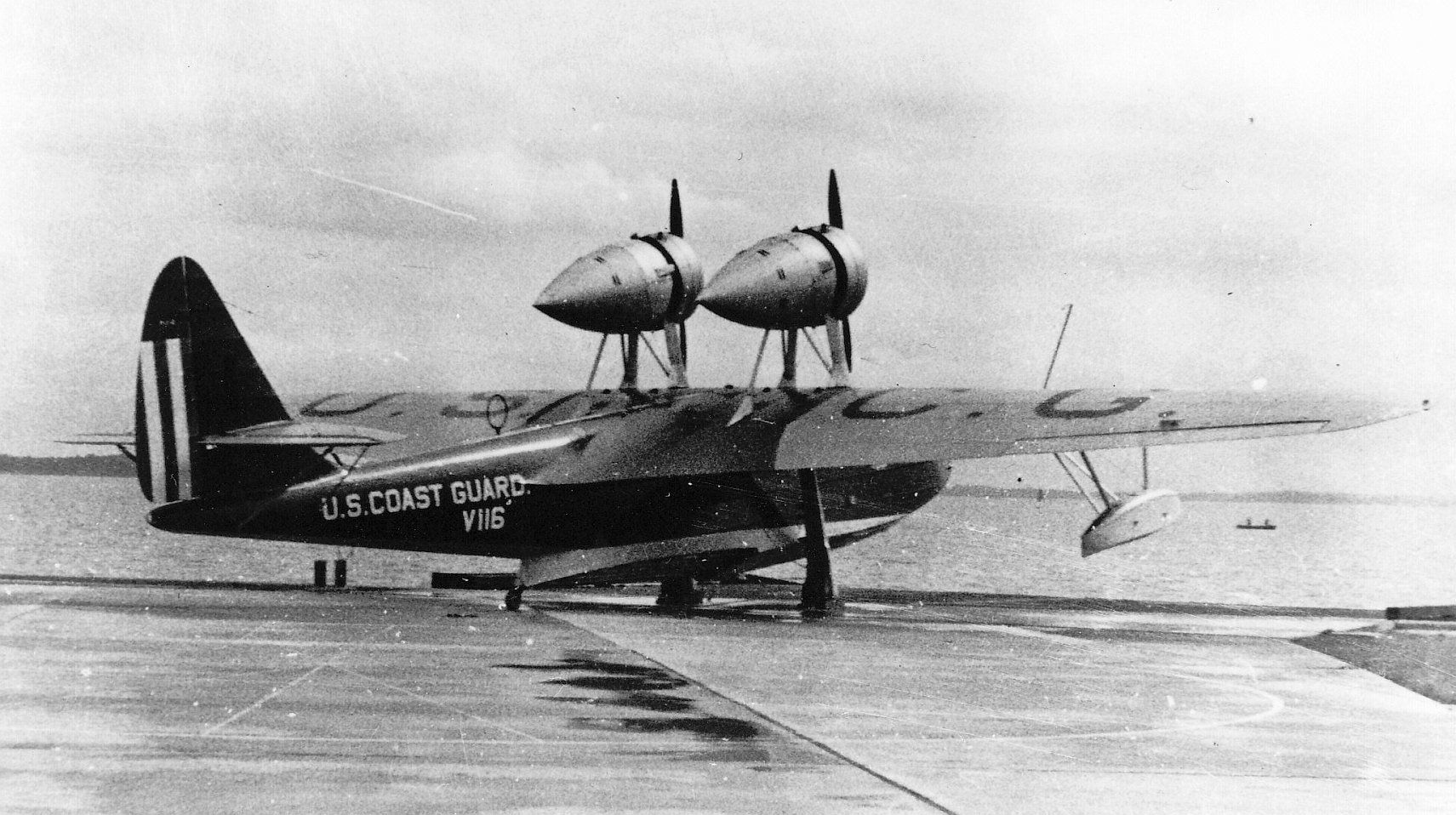
- Model 20 (uncertain) was the AF-15 flying boat built as an FLB for the Coast Guard
When the name of the Fokker factory changed to General, the model numbering continued for a while:
- The Model 21 may have been used for either the planned production Thaden T-4 or the all-metal Trimotor GA-38 which was never completed
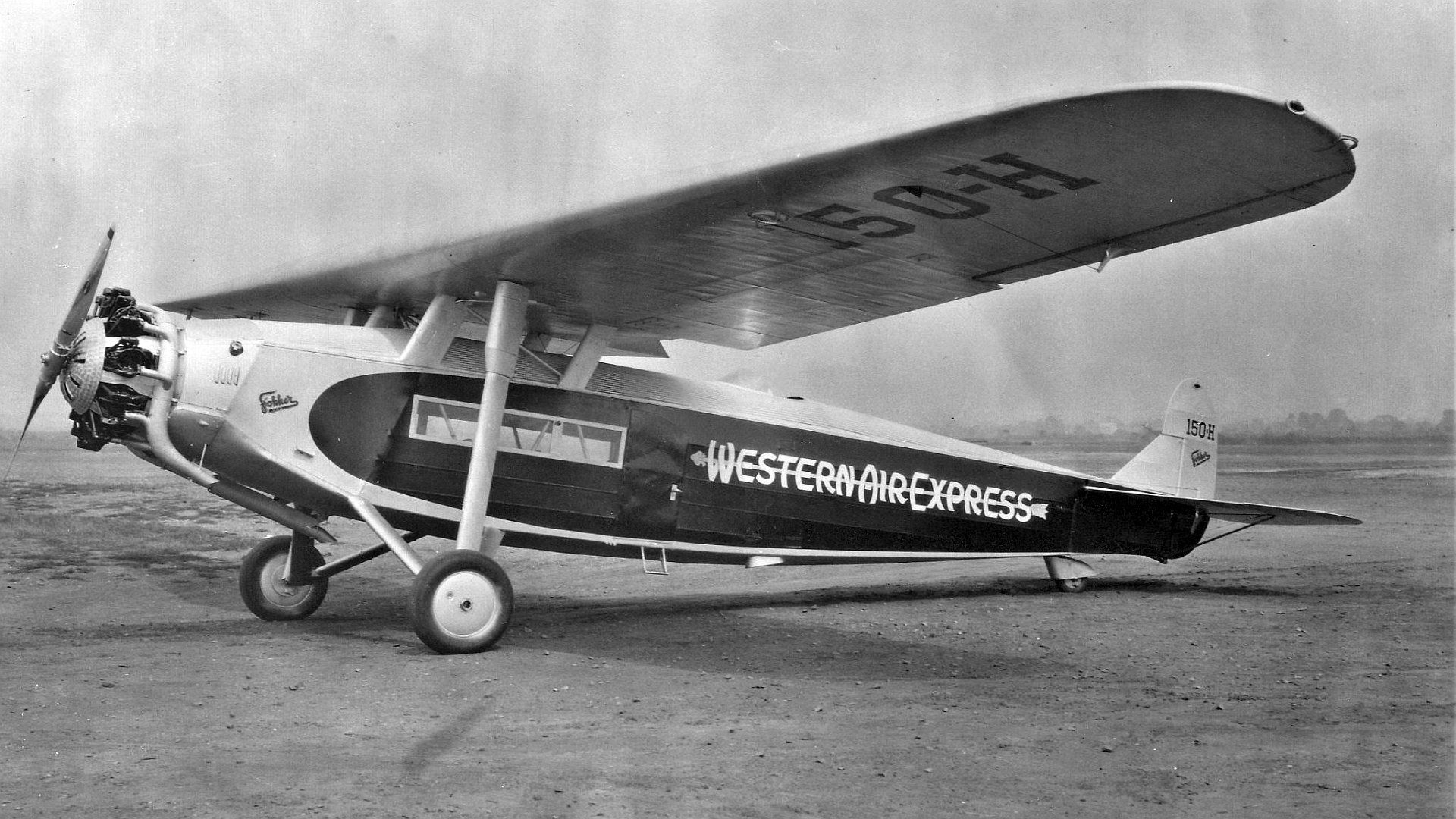
- The Model 22 was allocated to the production of the Pilgrim 150, which was acquired from Fairchild and marketed as the GA-43.
After the merger of General with B/J, the latter's type designations were continued. The GA-15 was the later O-47, and the NA-16 trainer (originally called the GA-16) entered production as the BT-9. This was the forerunner of the well-known Harvard series.
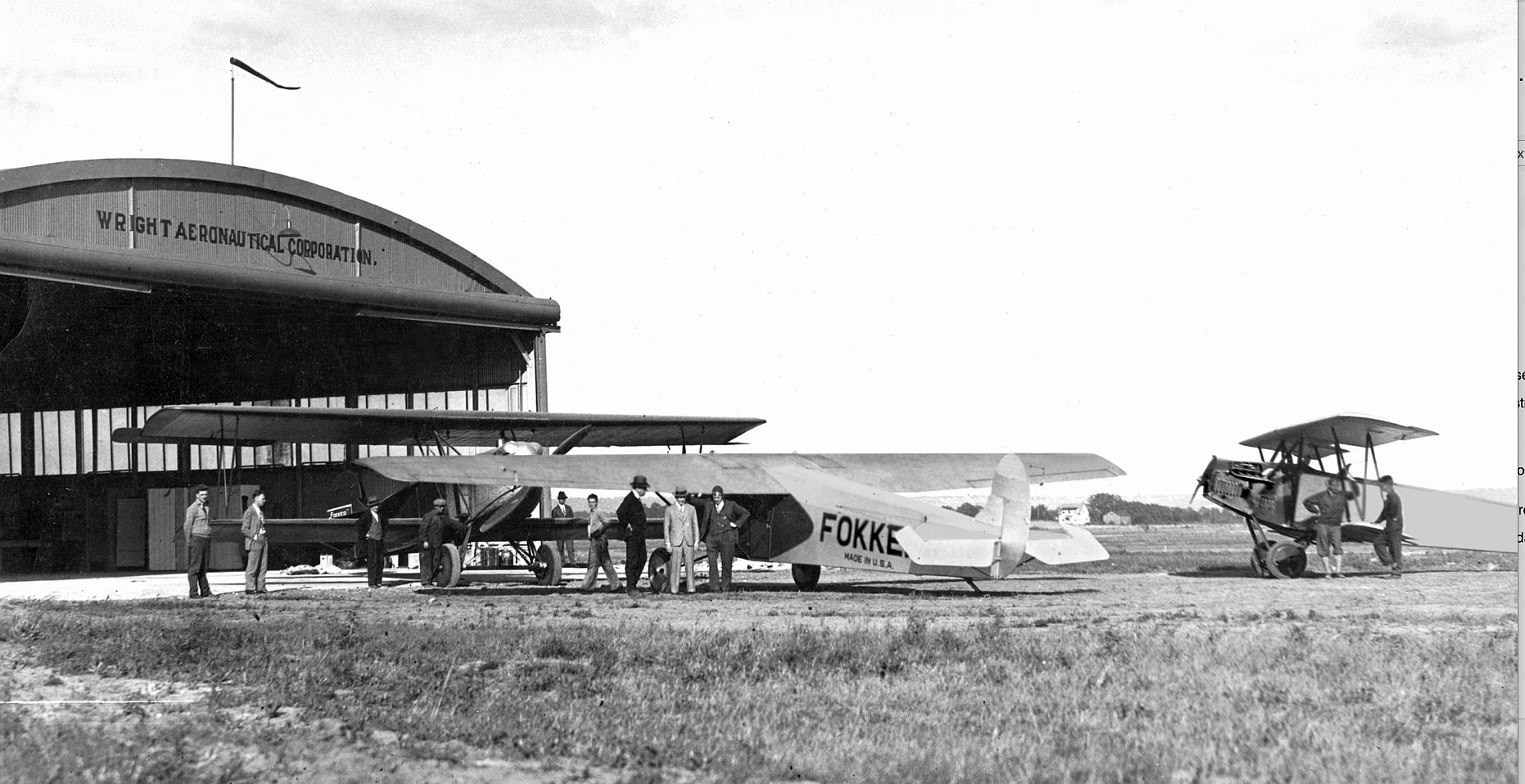
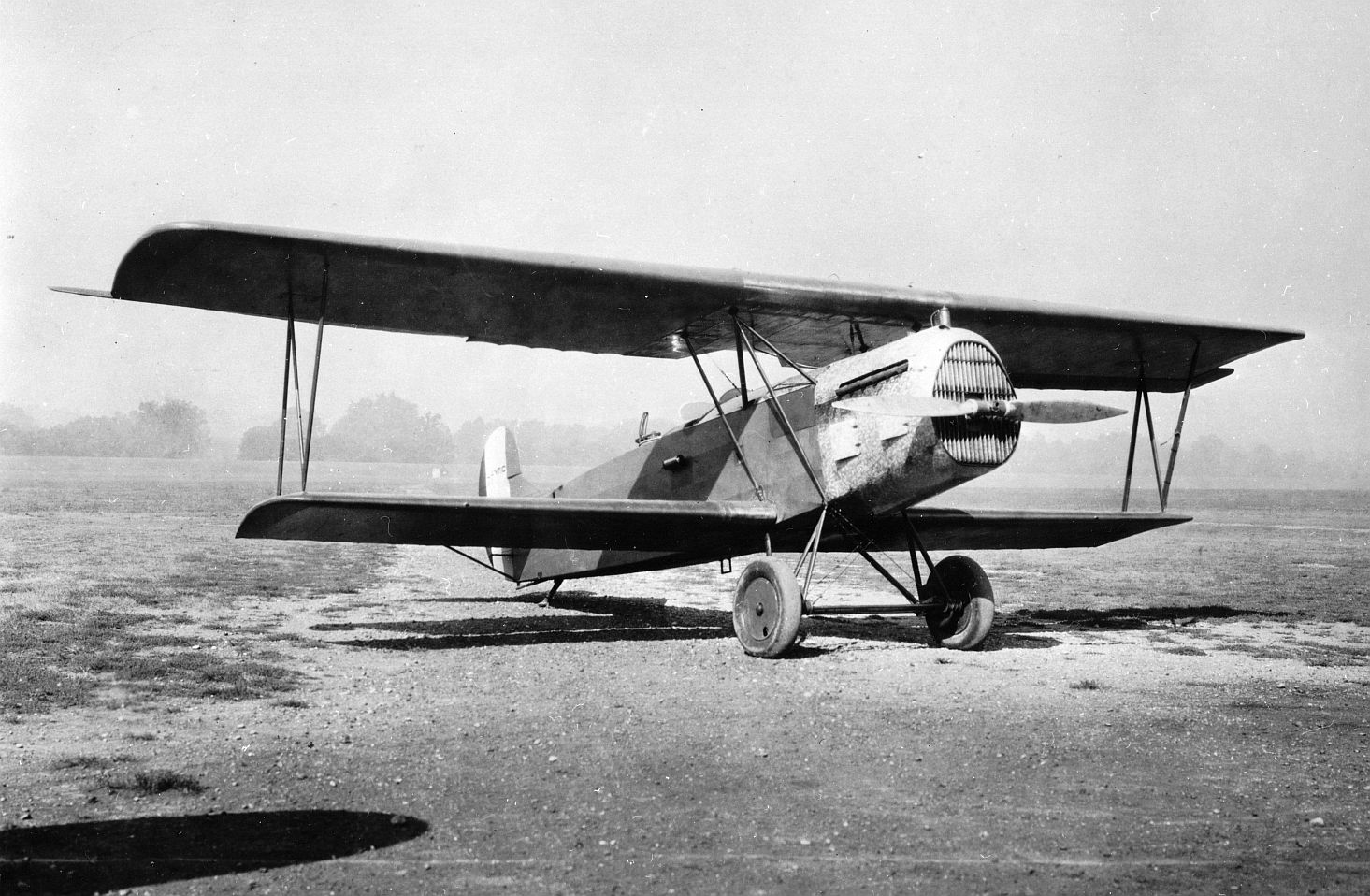
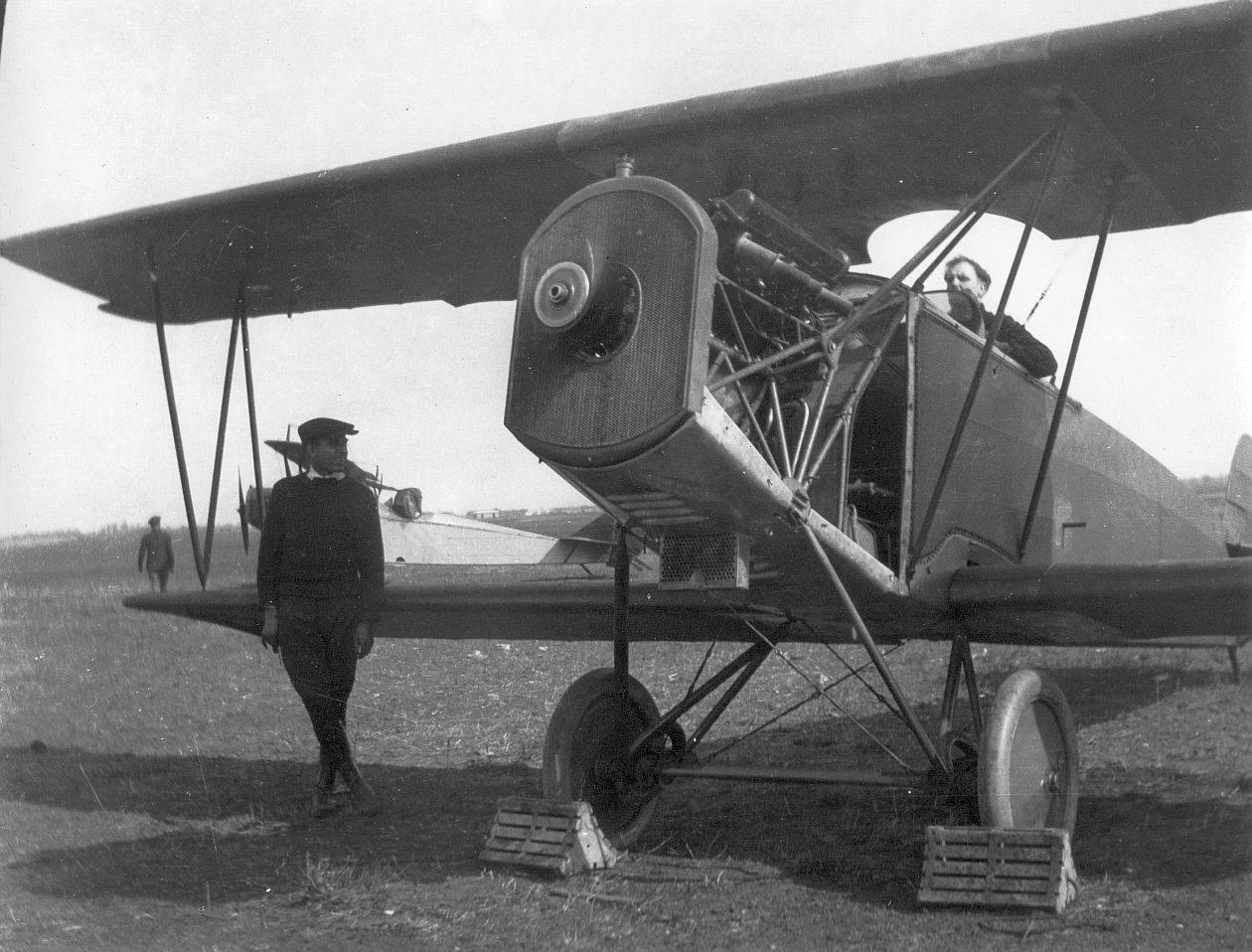
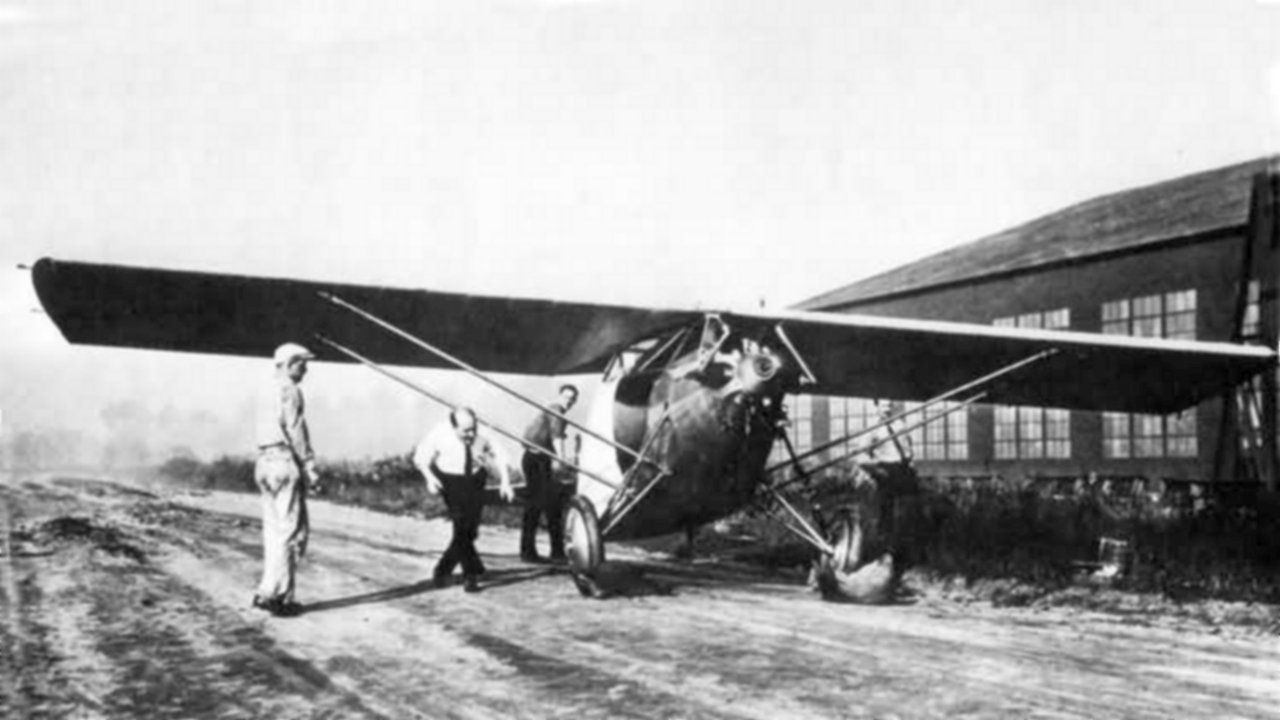
The beginning of the Fokker factory in America. The imported CO.IV Mail, the first Universal, and the S.III, converted to an S-3 in America, for the Wright hangar at Teterboro Field.
When the Atlantic Aircraft Corporation (AAC) was founded in late 1923, there was no Fokker factory yet. Besides Anthony Fokker himself, there were American shareholders and the expectation of orders.
AAC did, however, become the owner of two F.IIIs, two spare BMW engines and a CO.IV Mail without (Liberty) engine.
In March 1924, the Air Service's plans for new equipment became clear. They were to purchase trainers and reconnaissance aircraft in both light and heavy classes.
Noorduyn had already requested a year earlier that an S.III be sent, which had arrived in January 1924. He also requested that an improved C.IV be shipped to America quickly.
These were the first products AAC offered to the Air Service. This is probably why they were later designated Models 1 and 2.
During the same period, the Air Service requested bids for new DH-4 fuselages. Not entirely coincidentally, these were fitted with a steel tube fuselage, a field in which Fokker was an expert.
With three irons in the fire, steps were now taken to start a real factory. This was found in Hasbrouck Heights, New Jersey, with a small airfield that later became Teterboro Airport.
Clicking on the photo will take you to the detailed description of the type.