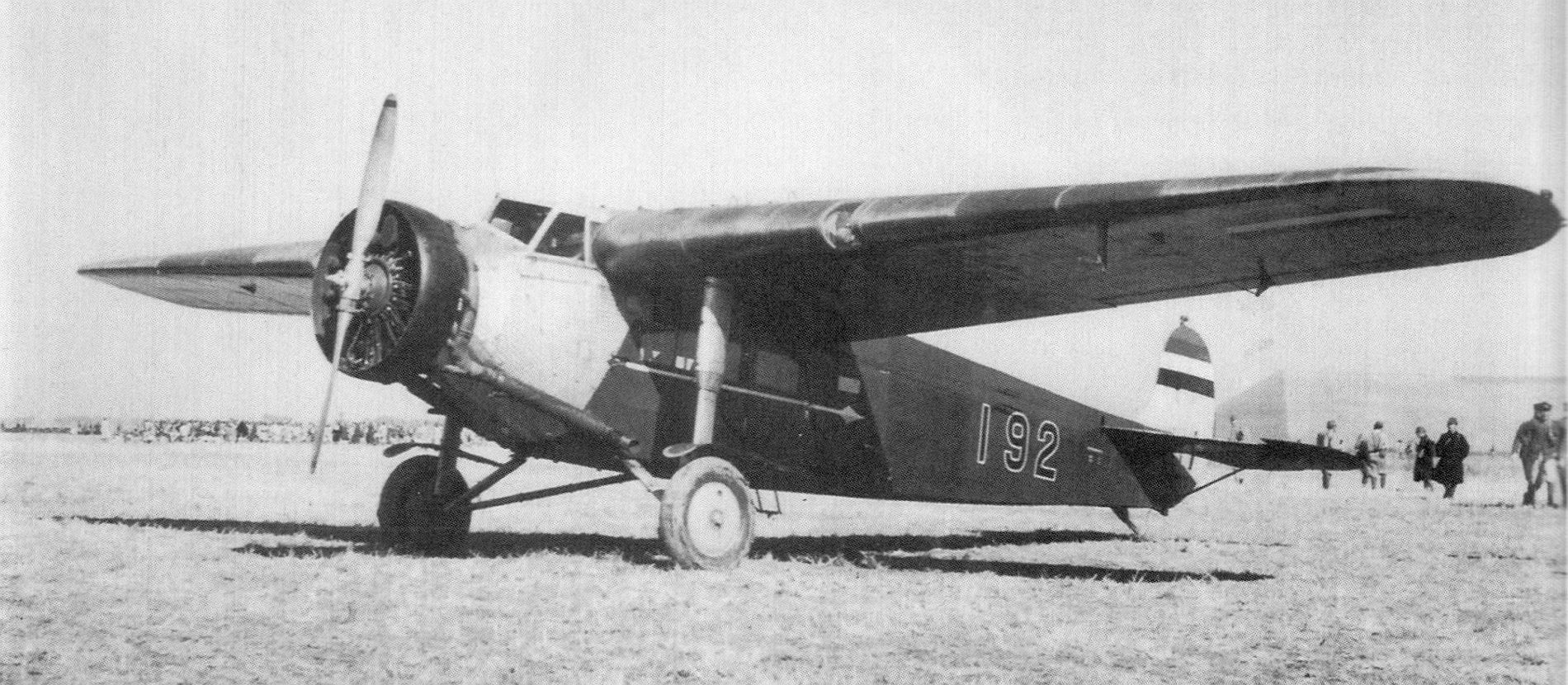
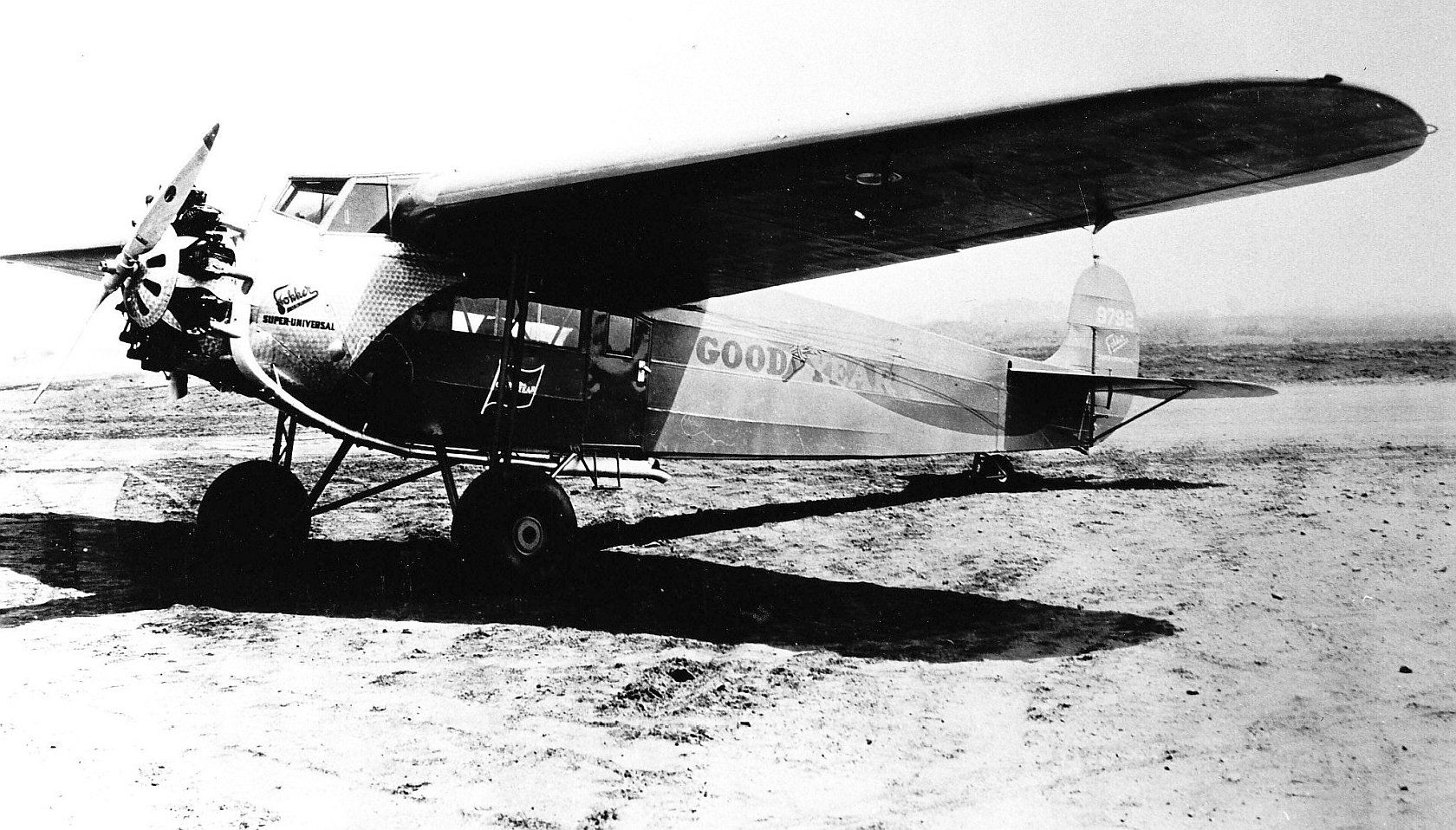
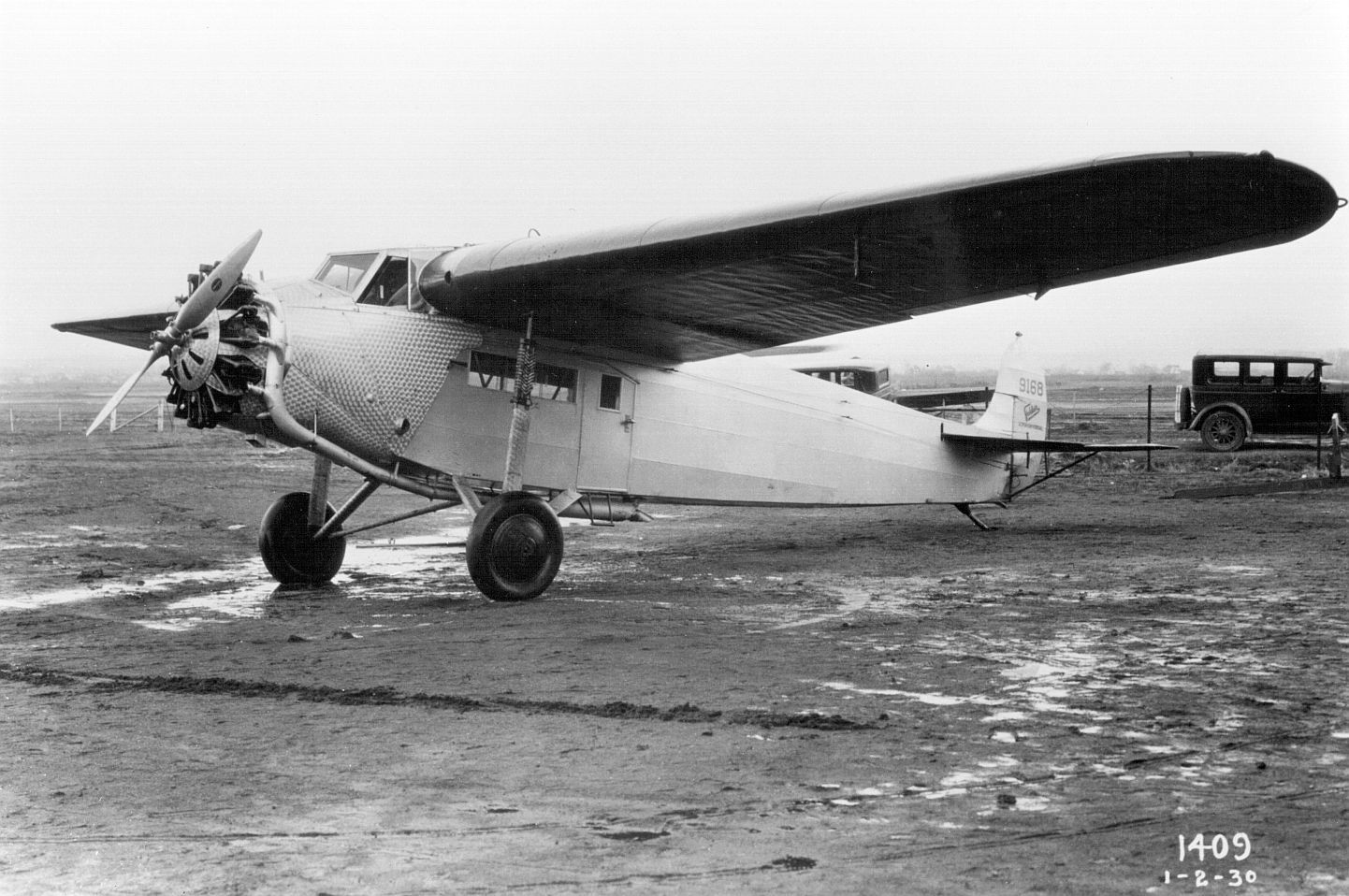
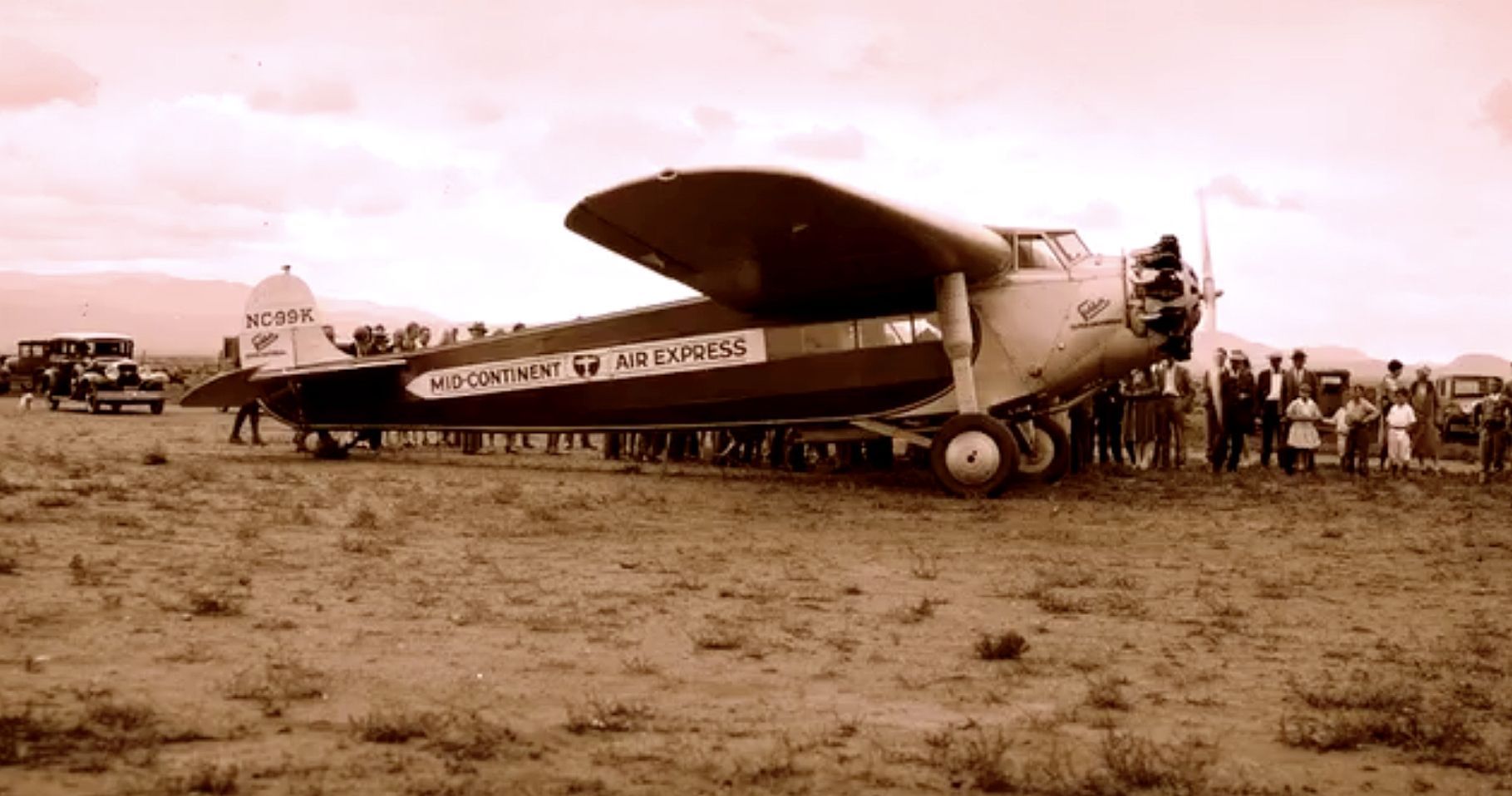
The Fokker Super Universal (Model 8)
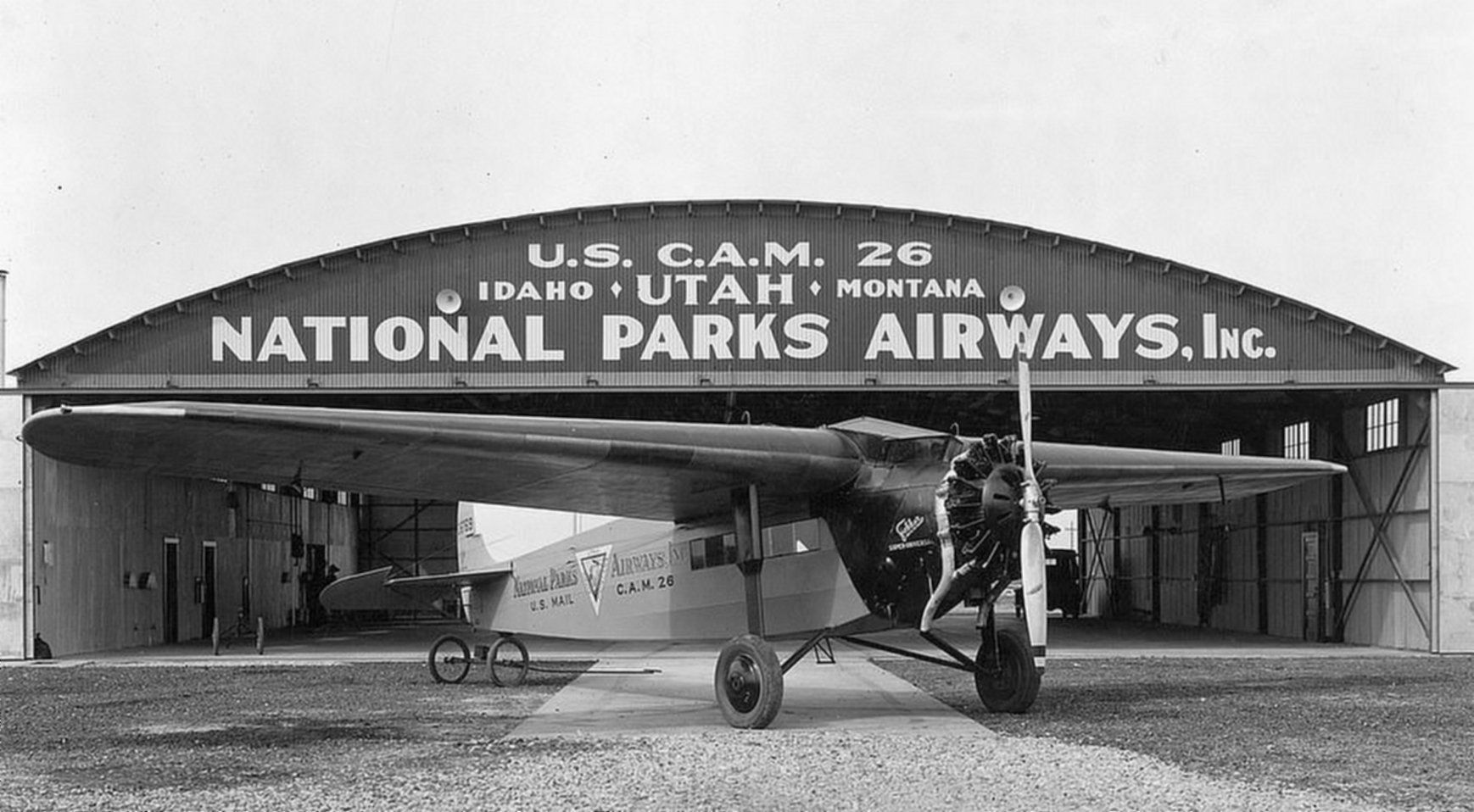
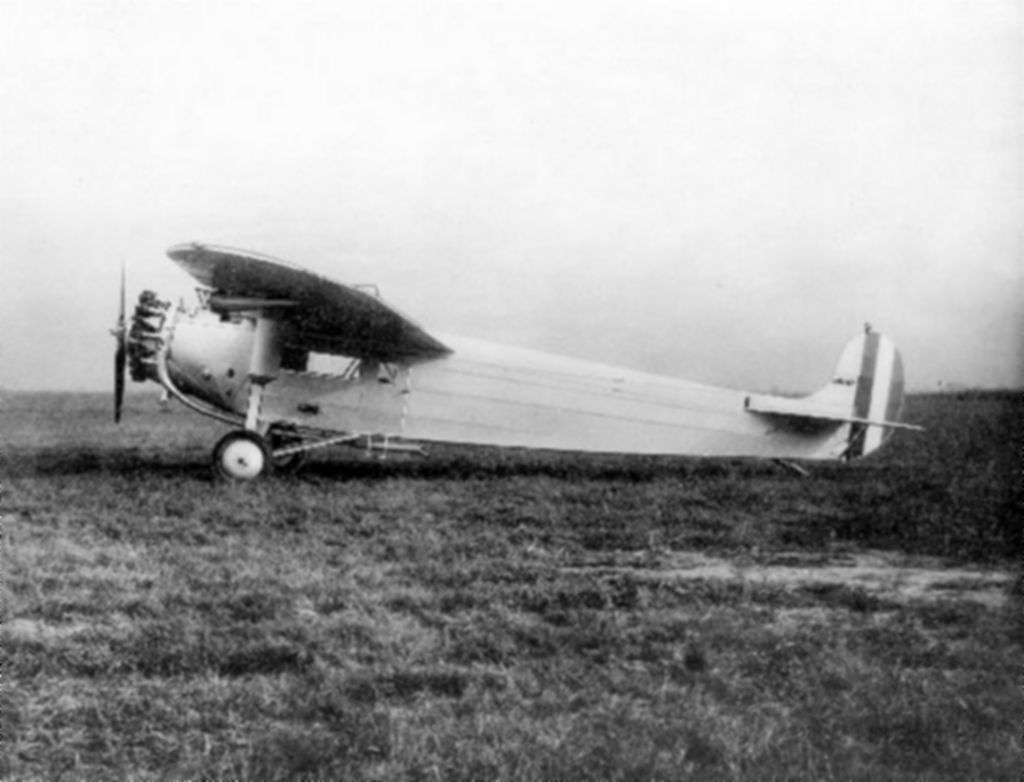
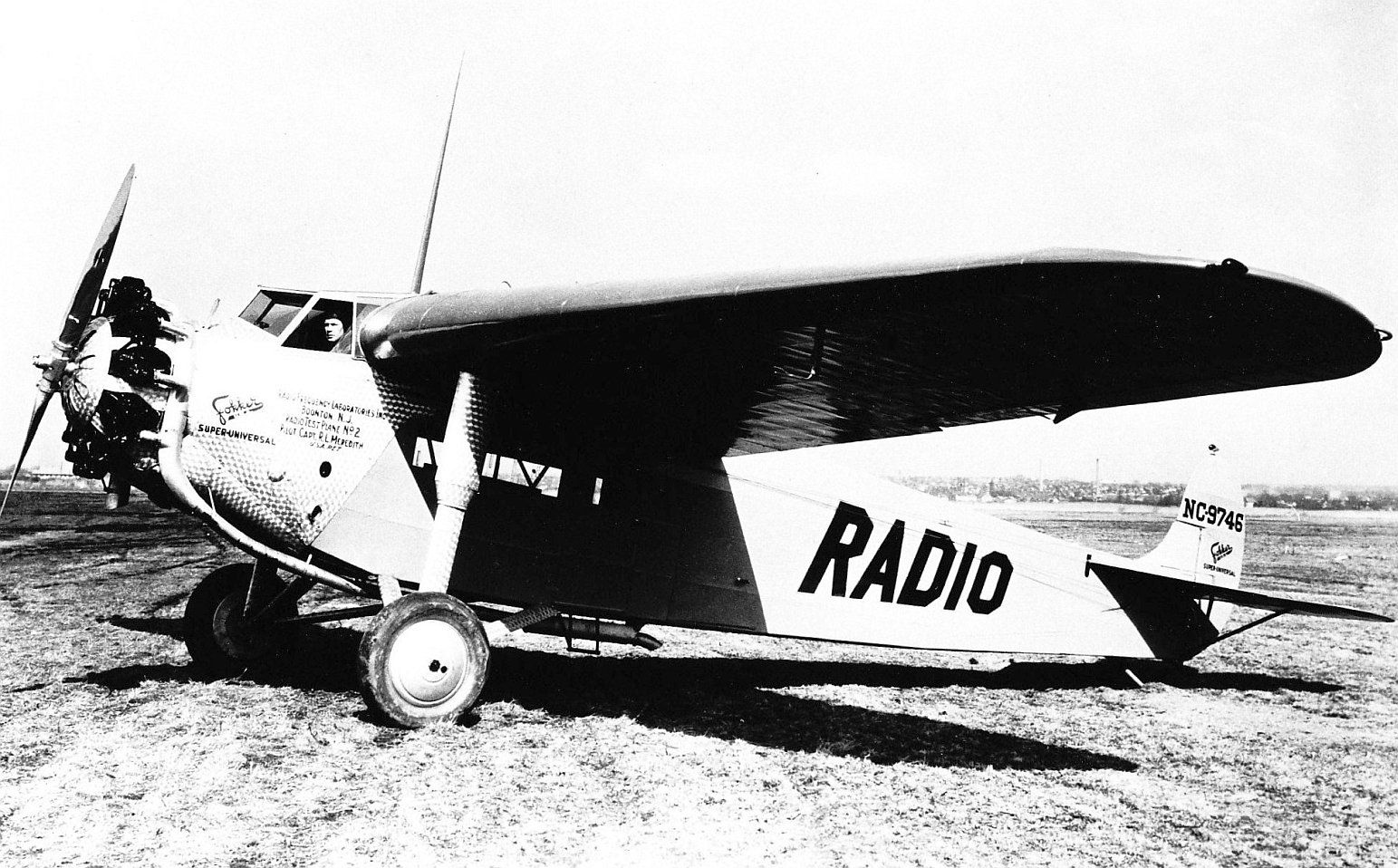
This further development of the Universal became the greatest success of the American Fokker factory.
It was the type with a long production run. A total of 80 were built in America (msn 801-880). The aircraft was also built under license in Canada and Japan.
When the company split with General Motors, Anthony Fokker also received the licensing rights. However, whether any payments were made afterward remained unclear.
After production was illegally transferred from Japan to Manchukuo, this was done without Fokker being notified.
The more powerful Wasp engine made possible a somewhat larger, cantilever-winged aircraft with better performance.
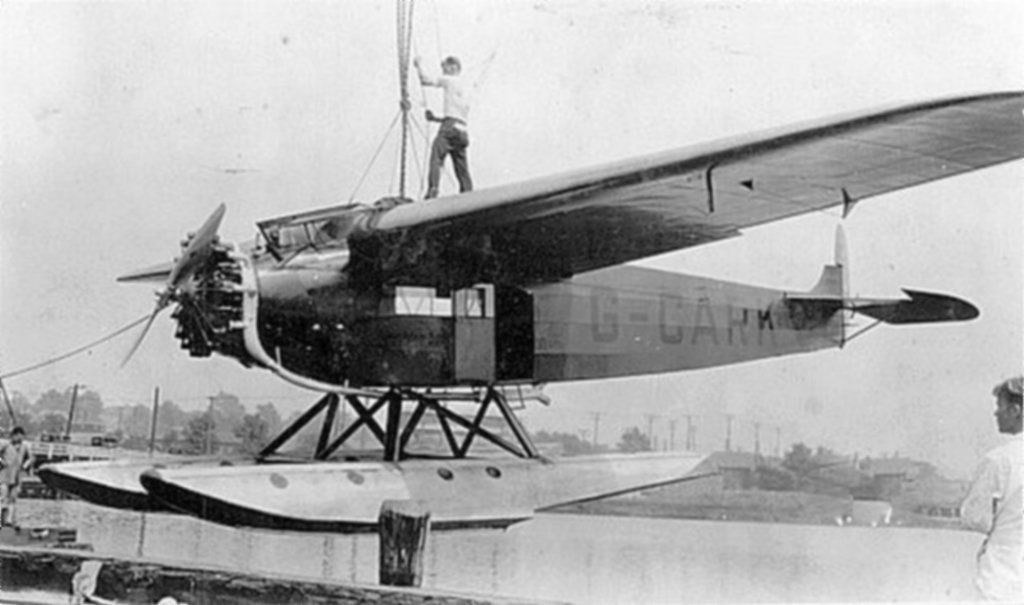
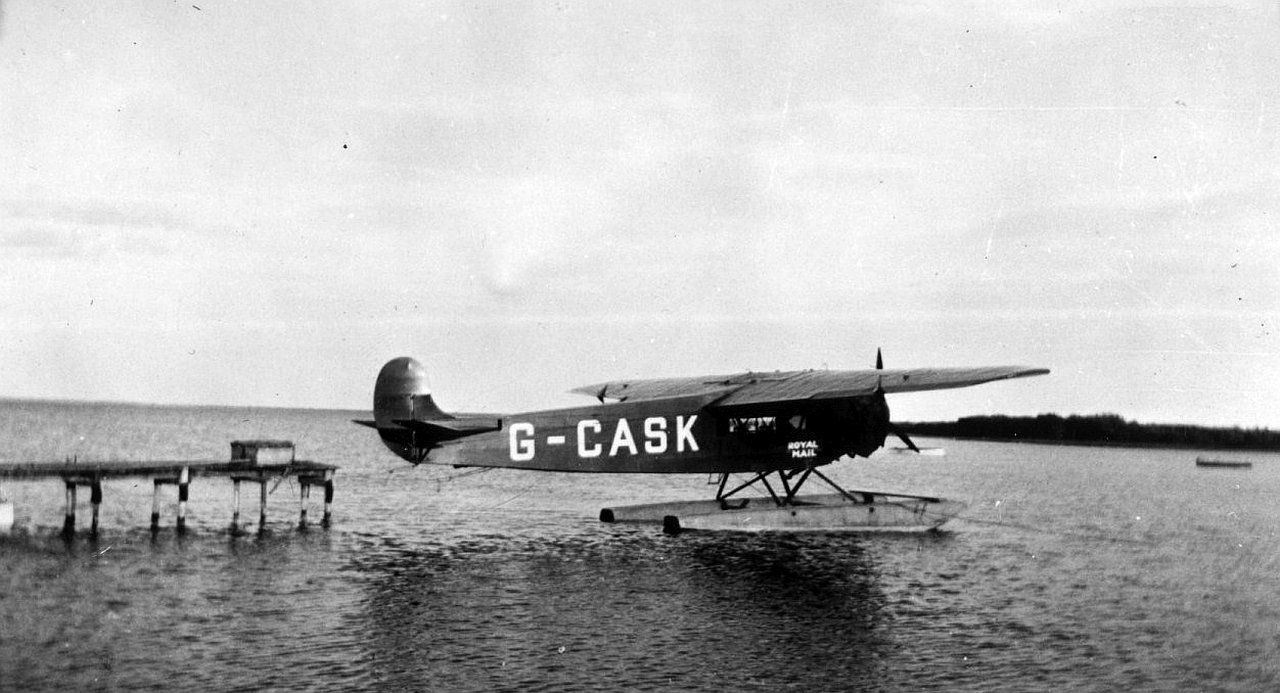
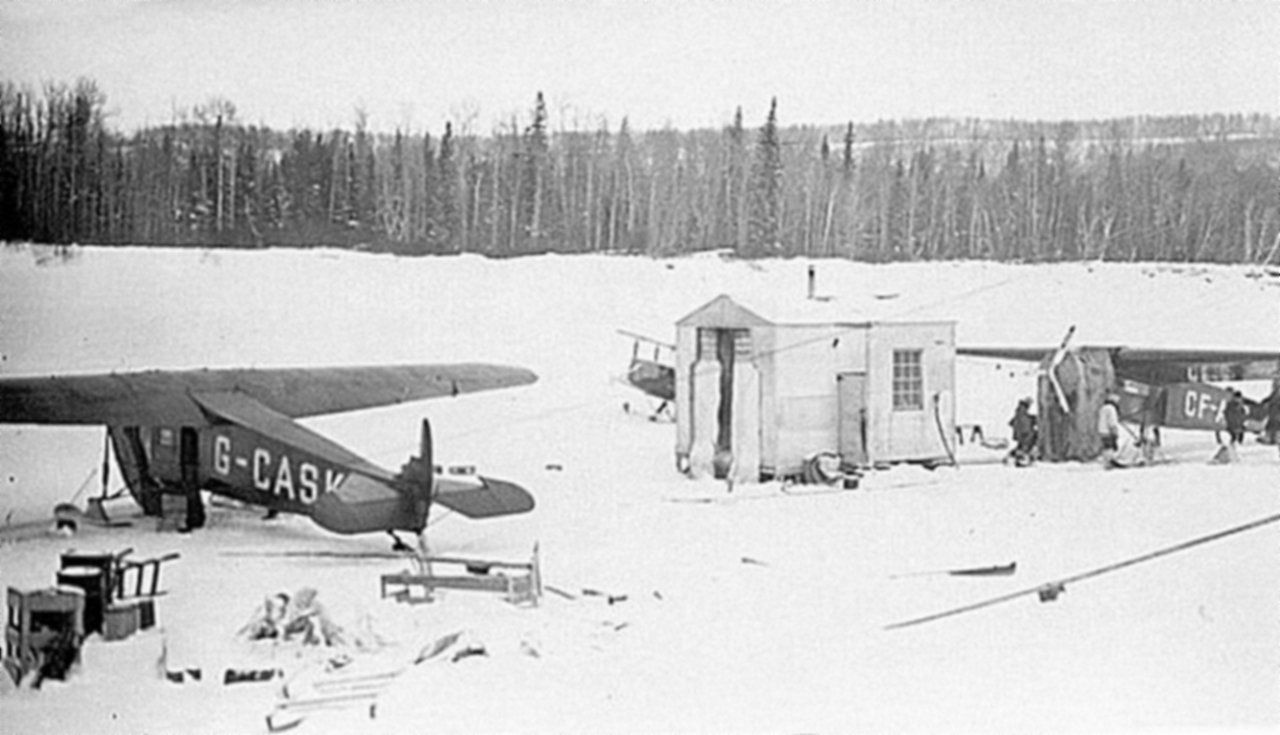
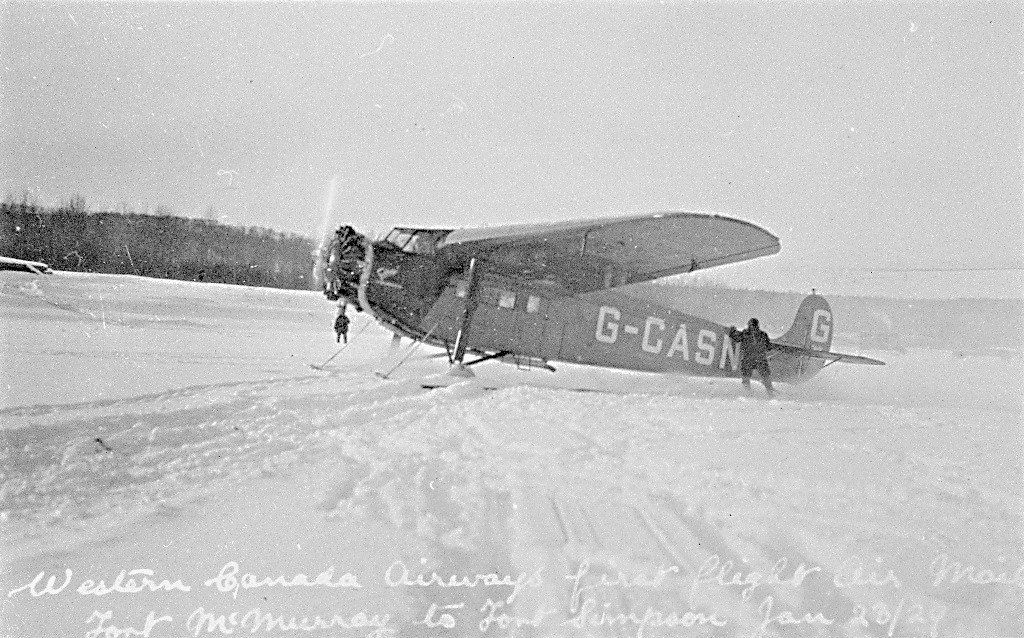
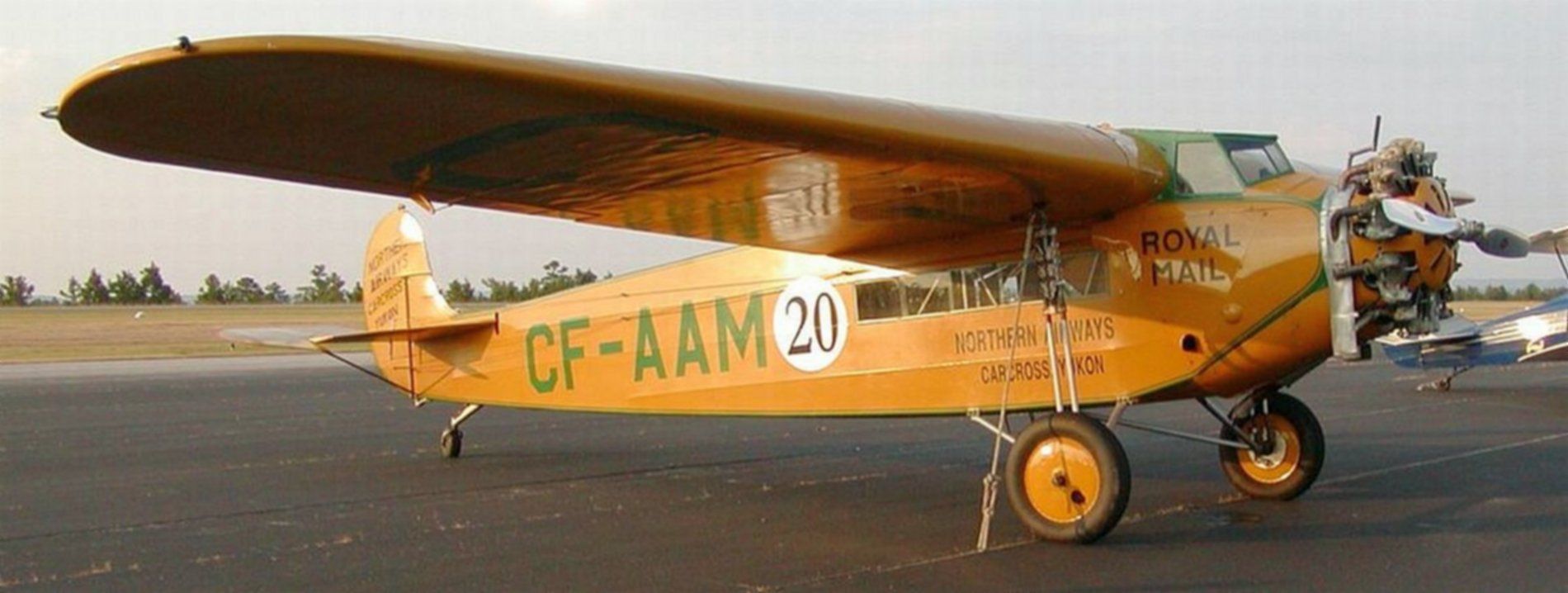
It flew for airlines, mail carriers, and several other companies. Besides the United States, the aircraft was also used in significant numbers in Canada, primarily on floats or skis, flying in unexplored areas.
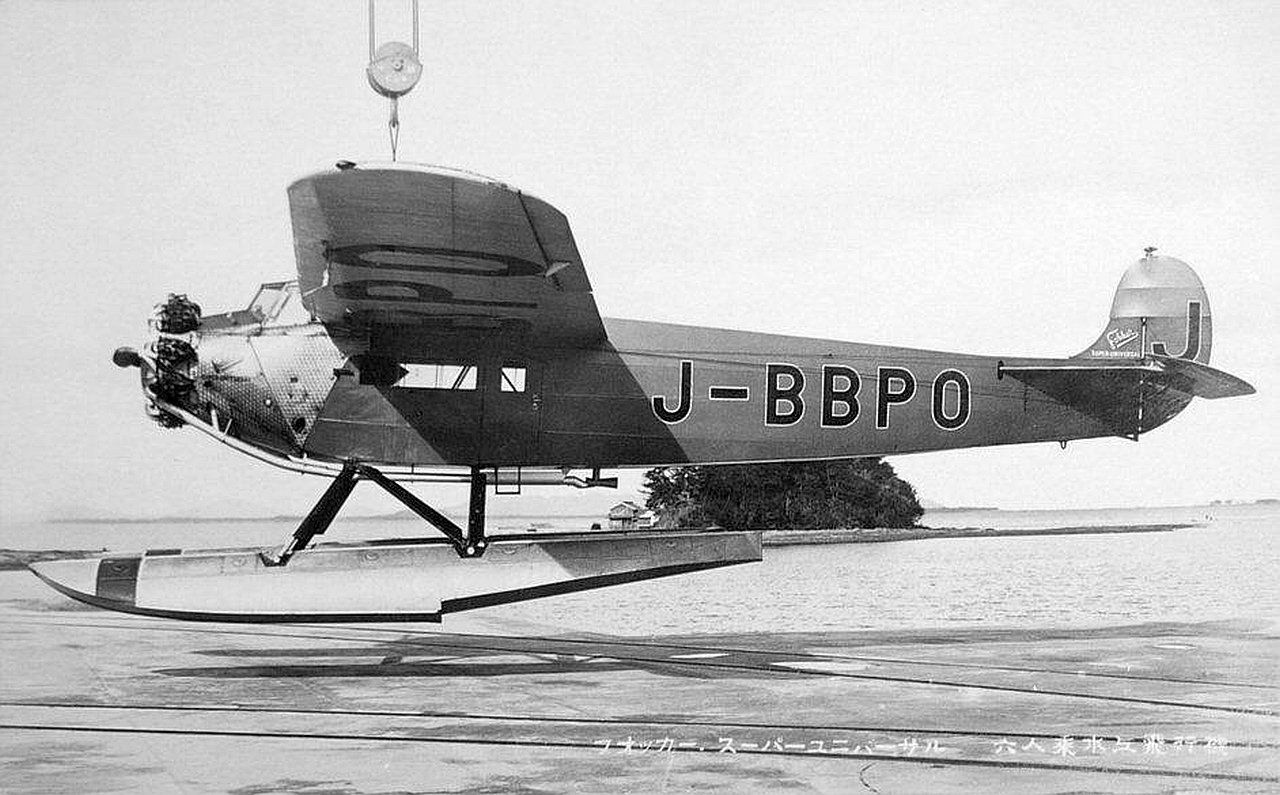
A number of Super Universals were also delivered to Japan. These were equipped with a Bristol Jupiter engine.
The last delivery went to Japan as a kit and were completed there.
Military versions were rare. The US Navy tested one as the XJA-1, but it was not purchased. The US Air Corps tested a production aircraft as a photoreconnaissance aircraft and transport, but did not purchase it either.
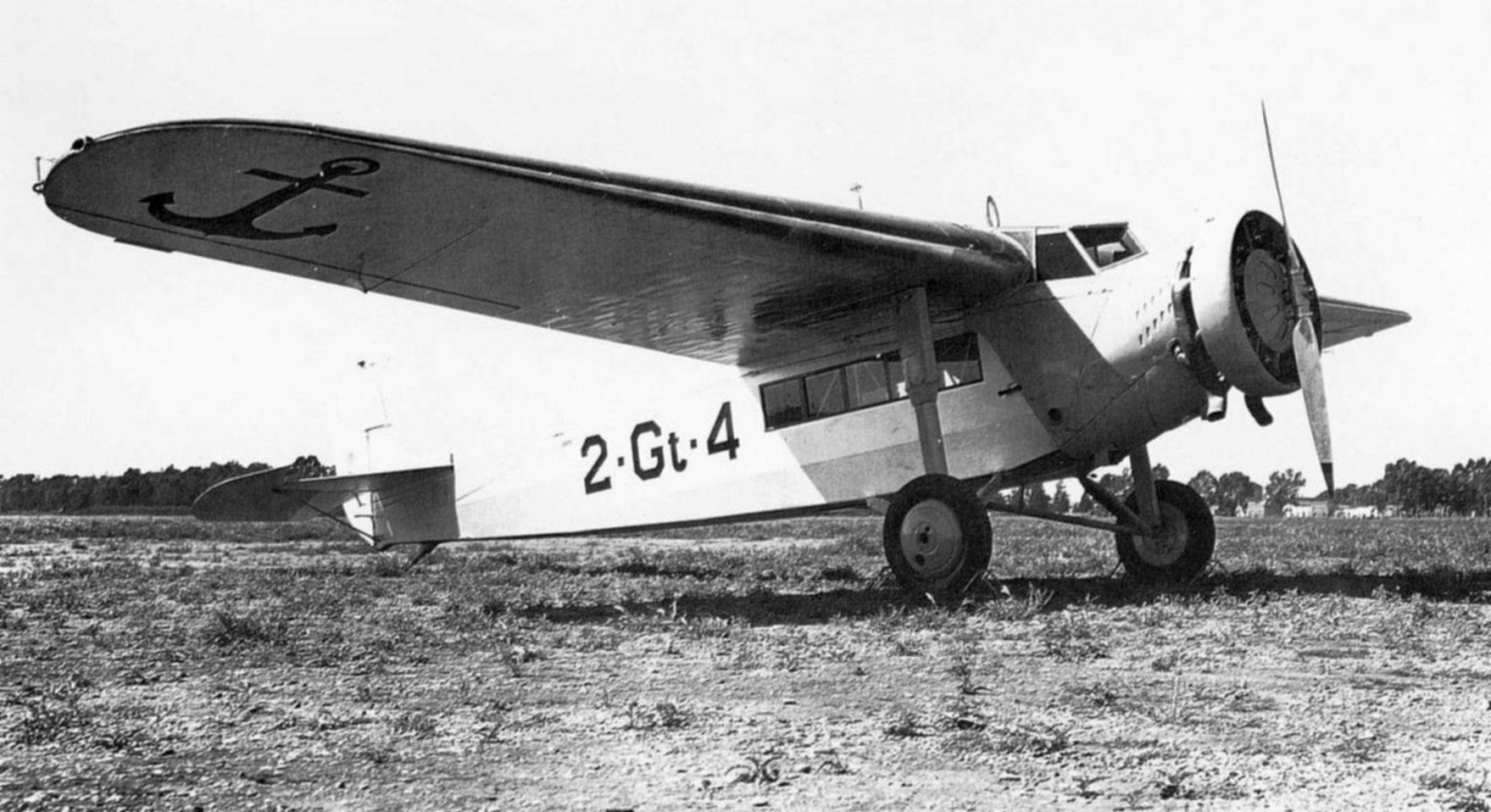
A late-production American machine went to the Argentine Navy. Only machines built in Japan and Manchukuo were also designed for military use.
The first aircraft (with MSN 800) was still designated as the Universal Special. It was essentially a crossover between the Universal and the Super.
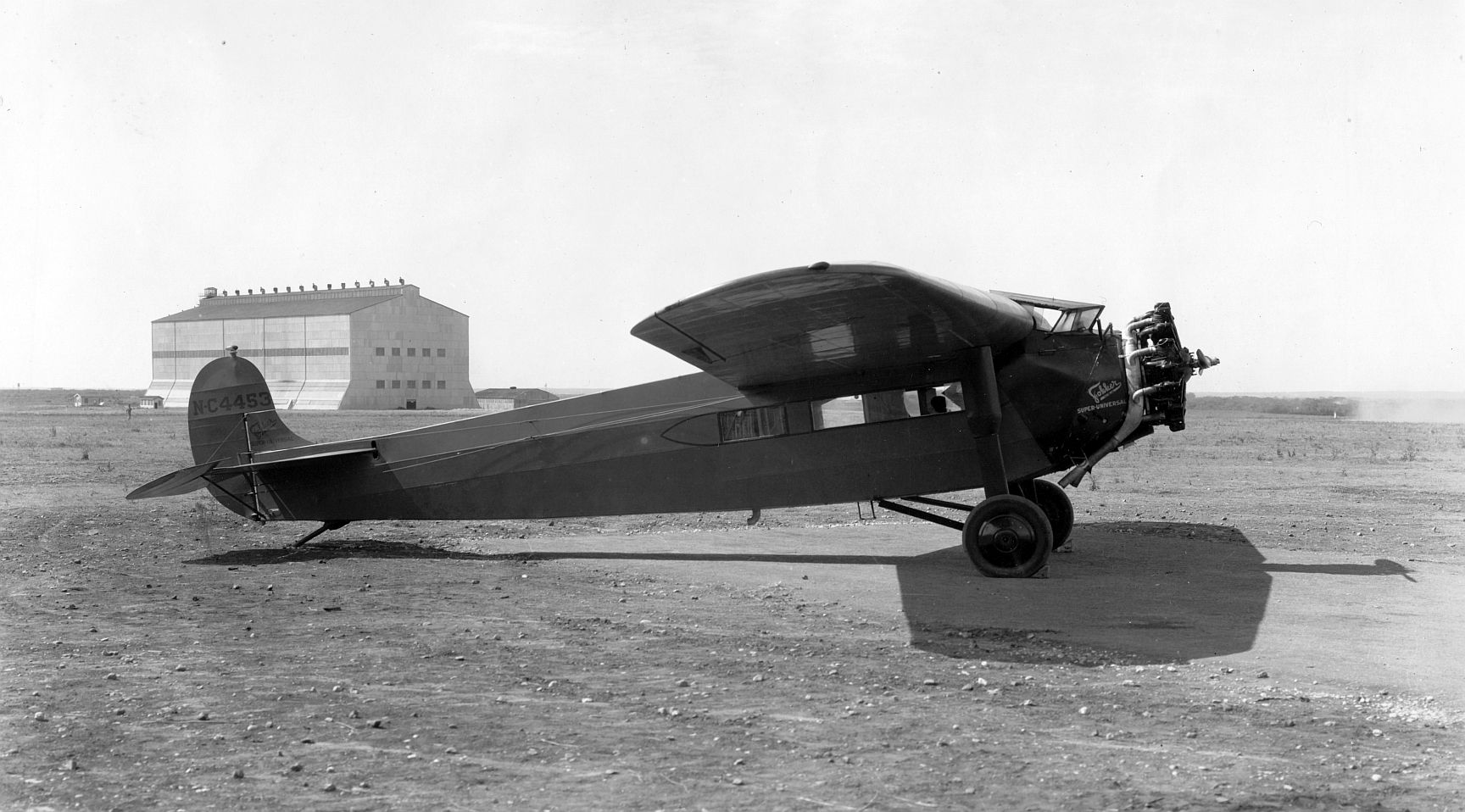
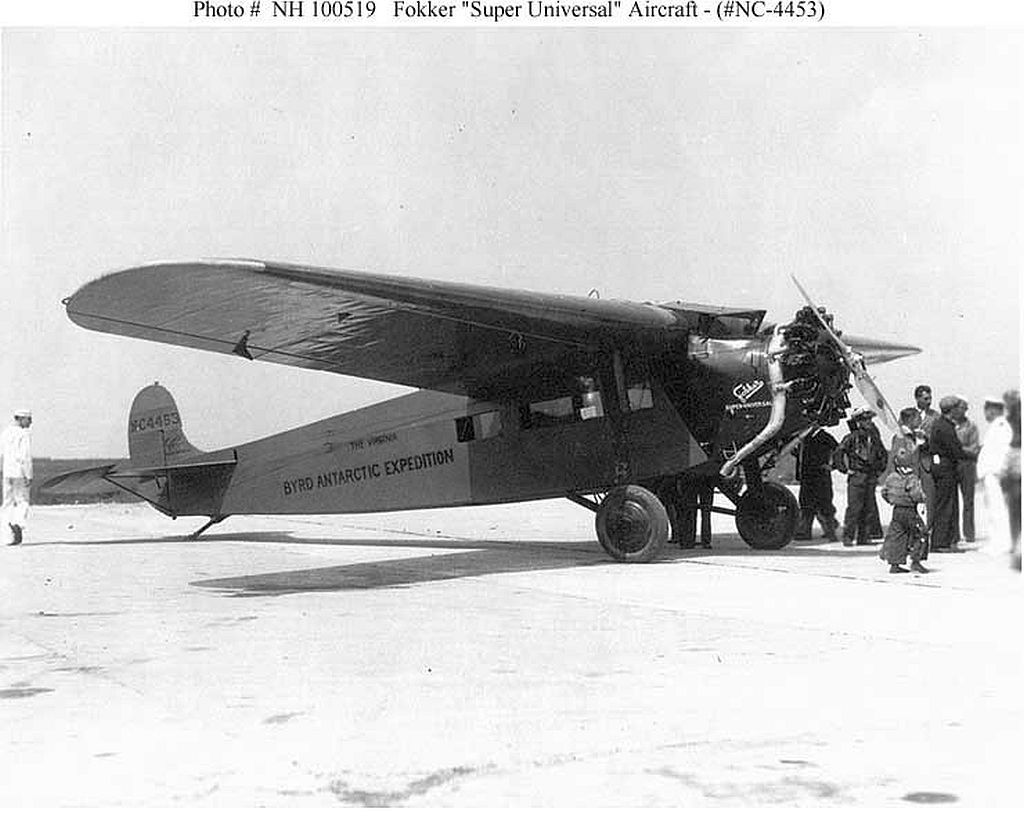
MSN 801 first flew in March 1928 and was given registration X4453. It made demonstration flights as far as Mexico.
Ultimately, Byrd bought the device for his South Pole expedition instead of the Universal he'd ordered. Substantial orders soon came in from Canada. American customers also placed orders, though not in large quantities.
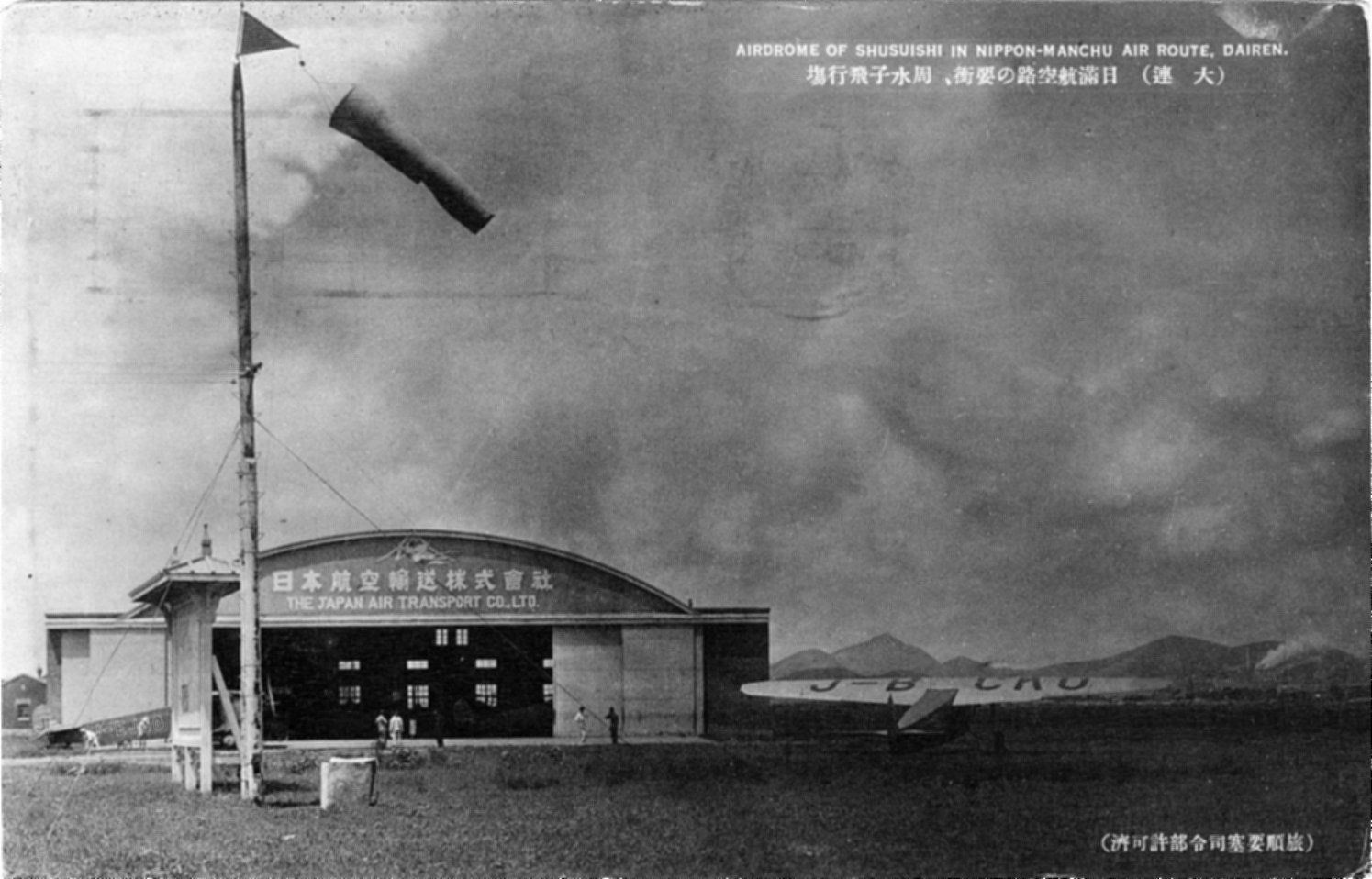
In the Netherlands, Japan had placed orders for F.VIIb aircraft. The purchasing delegation then visited Fokker in the United States, where they placed an initial order for six Super Universals. This heralded an order that would grow to 21. This made Japan Air Transport the largest user of American-built Super Universals.
The Super Universals also found their way to other countries. After being phased out in the US, several went to Central American countries. Some aircraft in the US also enjoyed a long lifespan. The last one was lost to fire in 1961.
The most famous was MSN 826, which appeared in the film "Casablanca." It was painted D-AGFD for the arrival of a German military delegation.
Licensed Construction Canada
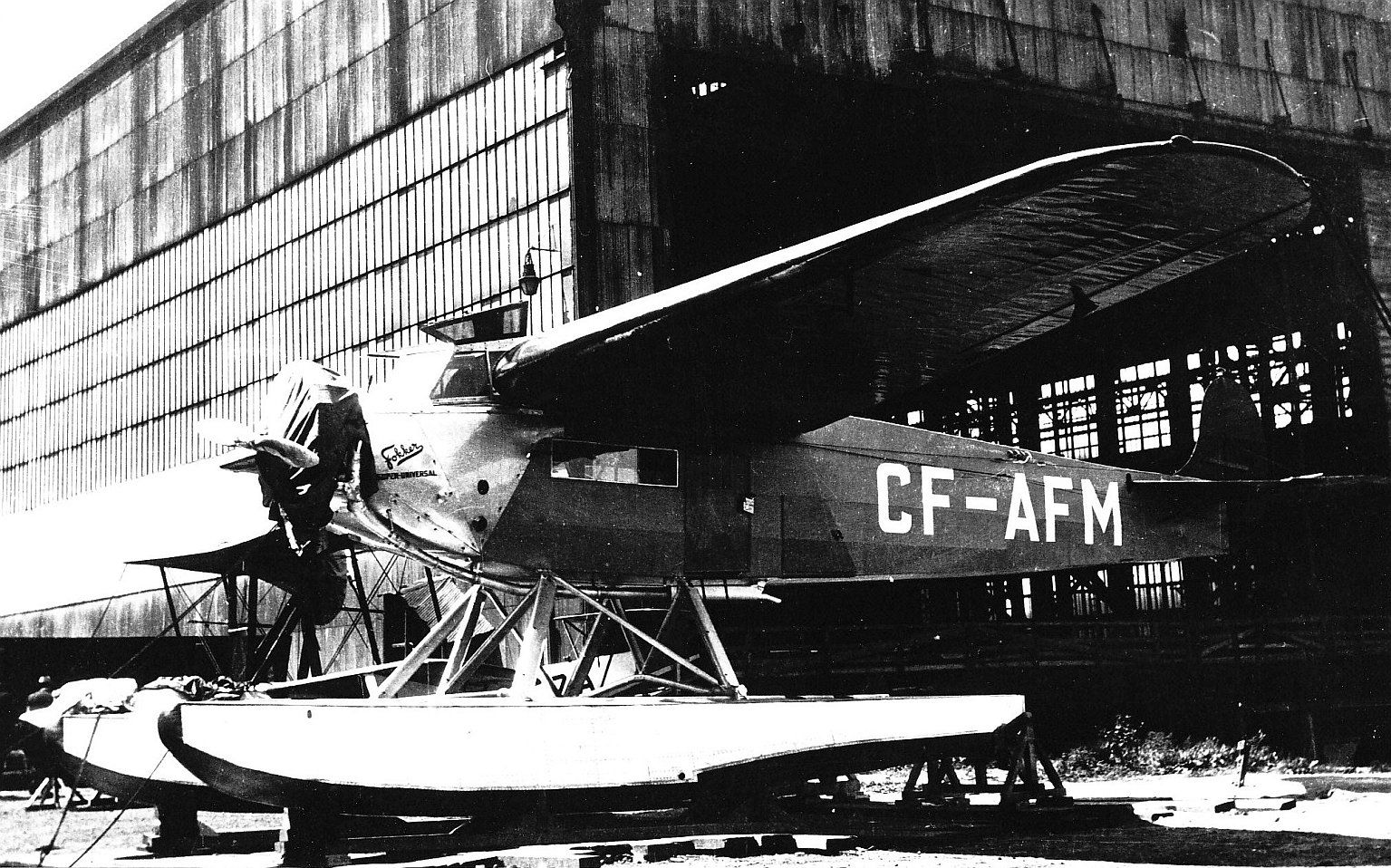
In 1929, 15 Super Universals were built by Canadian Vickers. The last of these was equipped with a Bristol Jupiter engine. It wasn't until 1934 that they were all sold. All aircraft remained in Canada.
Licensed construction Japan
Nakajima completed a number of American Super Universals. License production was then established. Initially, these were also equipped with the Bristol Jupiter, which was also built under license.
Later, the Nakajima Kotobuki engine developed from this was also used.
Nakajima and its subsidiaries built at least 46 Super Universals. Because there were also around 40 military variants, this number was likely considerably higher.
The aircraft gradually deviated somewhat from the original model, especially the military versions.
The Nakajima production aircraft were supplied to Japan Air Transport, among others. The Manchu Air Transport Company also put them into service. During the Manchurian War, the Super Universal was used extensively for semi-military duties.
From 1937 onwards, large numbers of Super Universals were also flown in the occupied regions of China.
The origin of this may also have come from production in Manchukuo.
Reconstruction in Manchukuo
The Aviation Arsenal was established in Mukden in 1932 to maintain the aircraft of the Manchu Air Transport Company. The company soon began producing aircraft as well.
One day, the complete construction drawings for the Super Universal arrived. And starting in October 1933, the first Super Universals produced there were also delivered. These were designated Manko. These aircraft corresponded to Nakajima's production from that period.
In the early years, production was primarily for the Manchu Air Transport Company. But after the (re)establishment of its own air force in 1937, they were also supplied to that company.
The production volume of Manko is also unknown. The first aircraft was the M-118, and by 1943, the M-198 had been achieved.
So it seems these were 80 aircraft. At the end of World War II, 14 of these aircraft were flown to Mongolia. Like many other aircraft from that period, nothing more is known about them.
Click on the photo to enlarge the photo



















Licensed Construction Canada




Licensed construction Japan




Reconstruction in Manchukuo