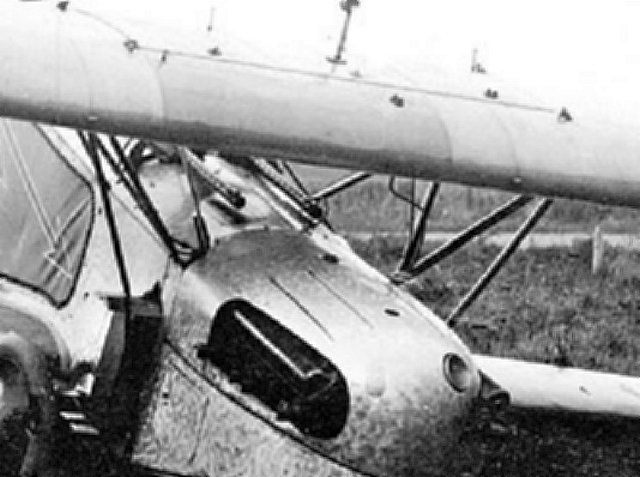
Russian Fokkers 8
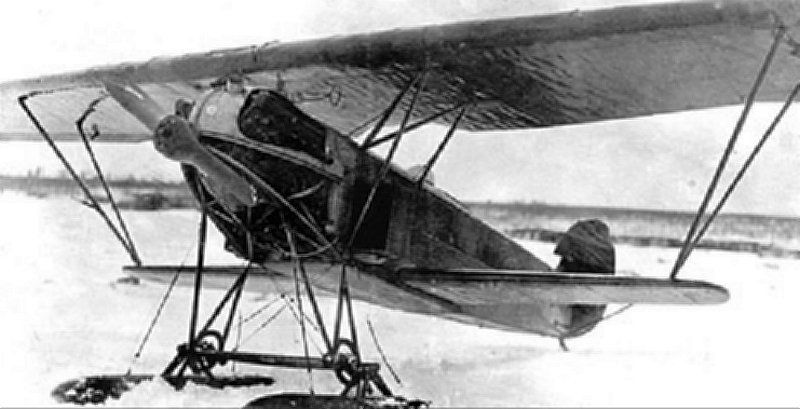
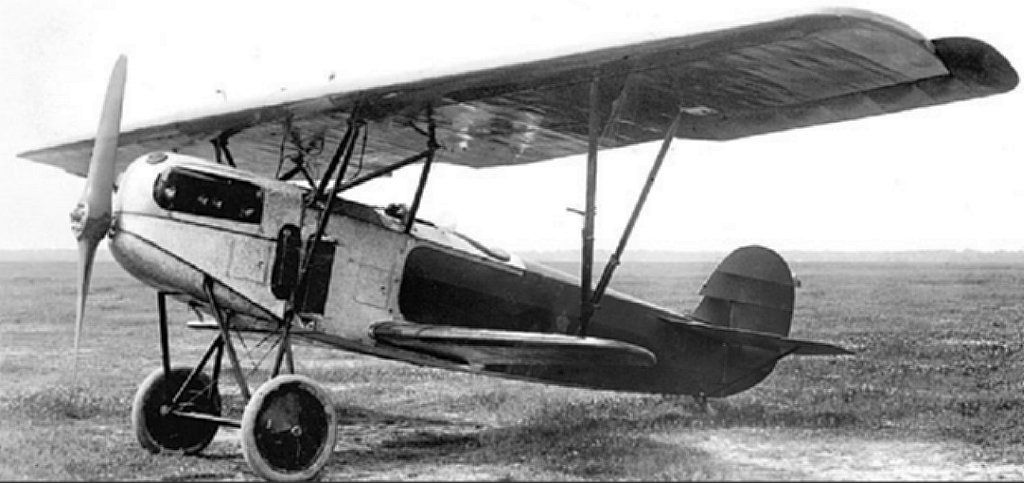
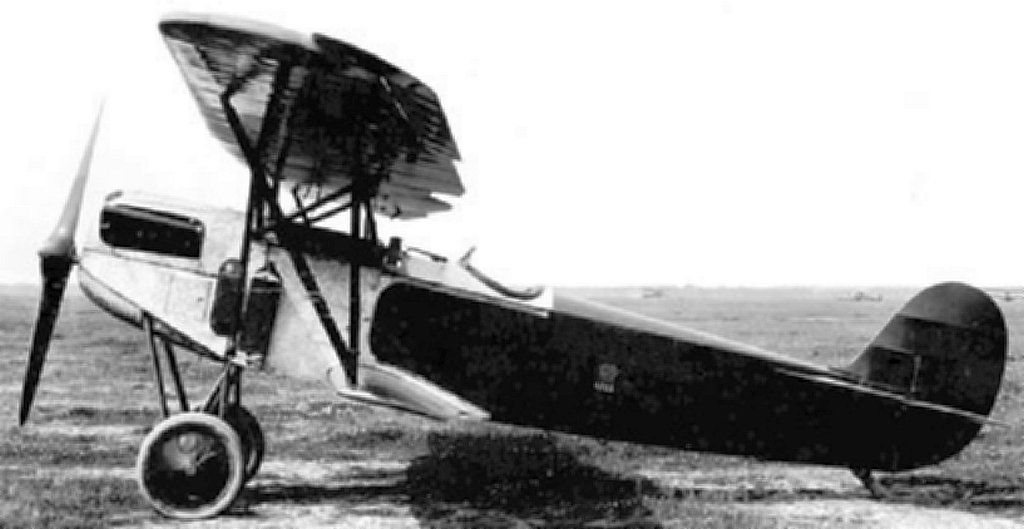
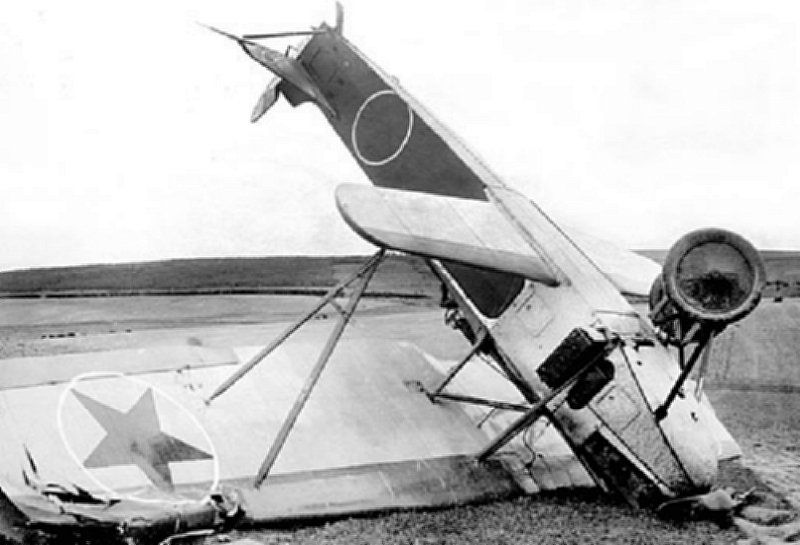
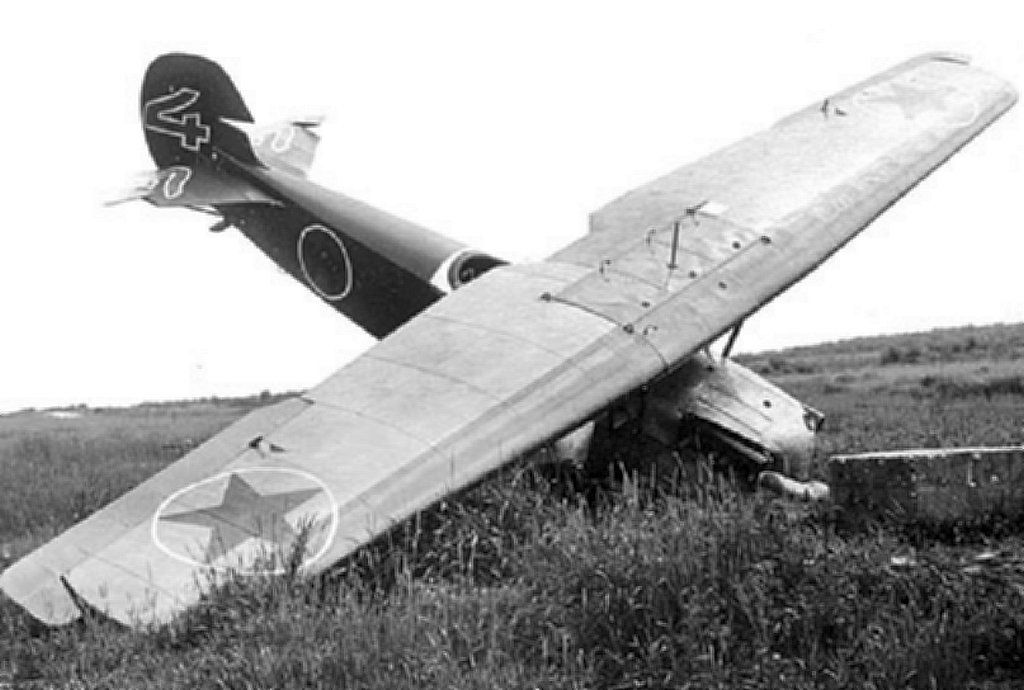
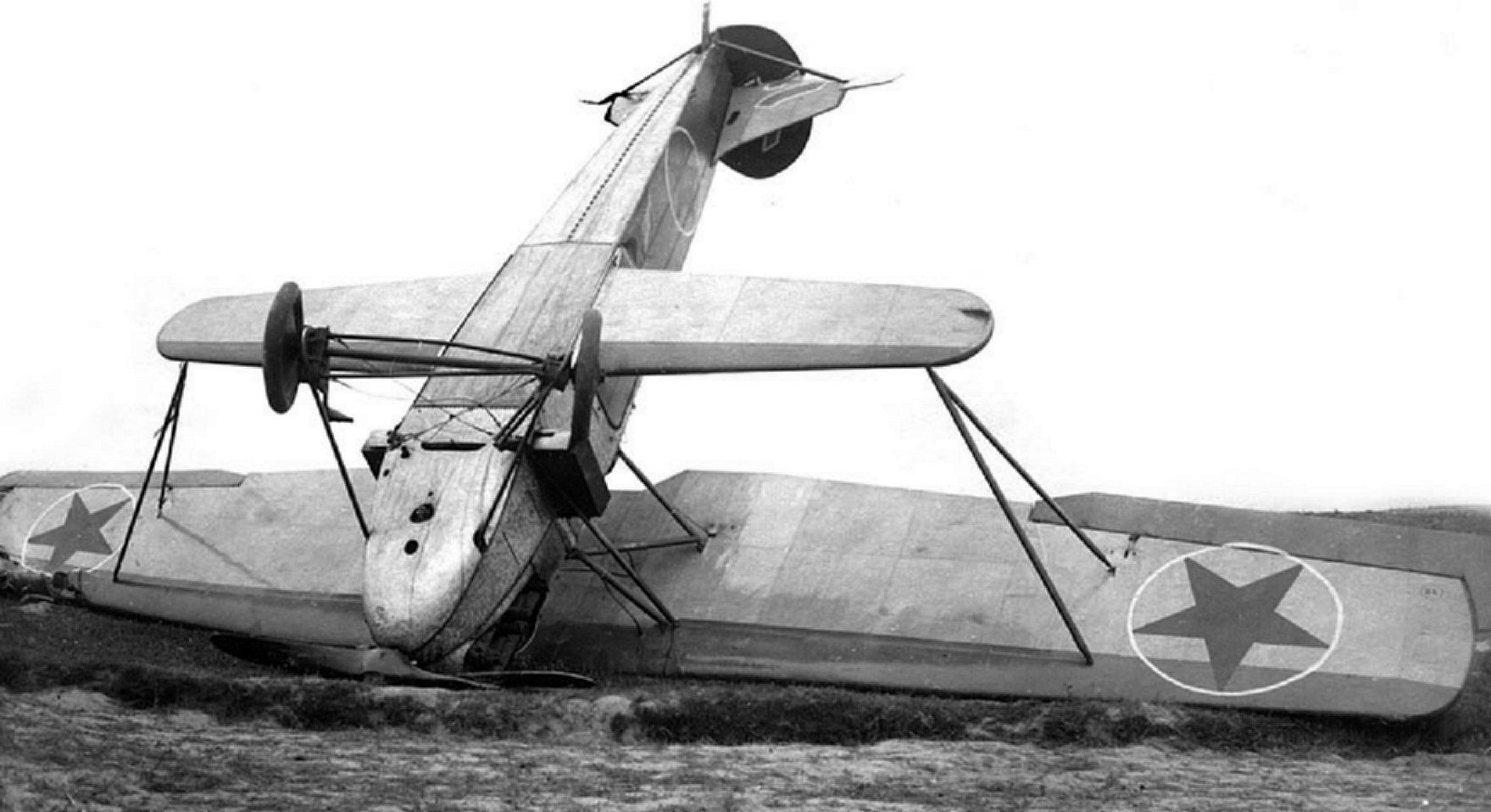
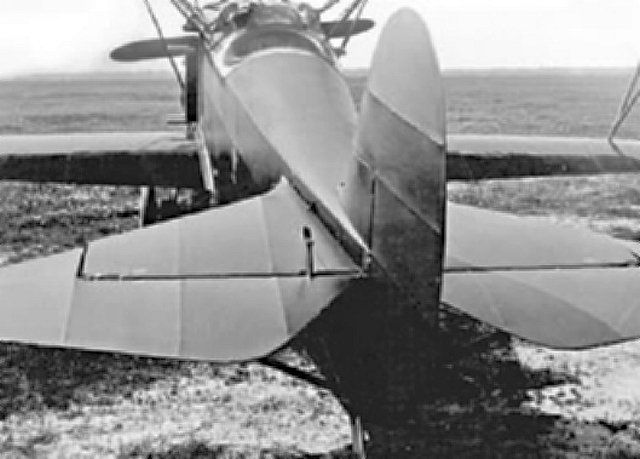
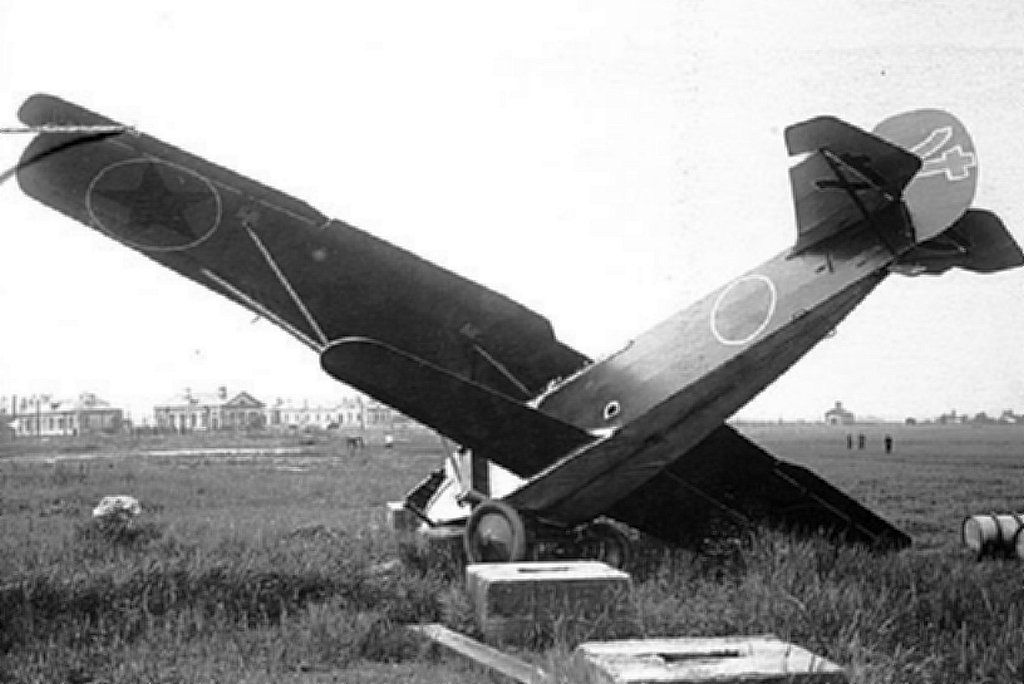
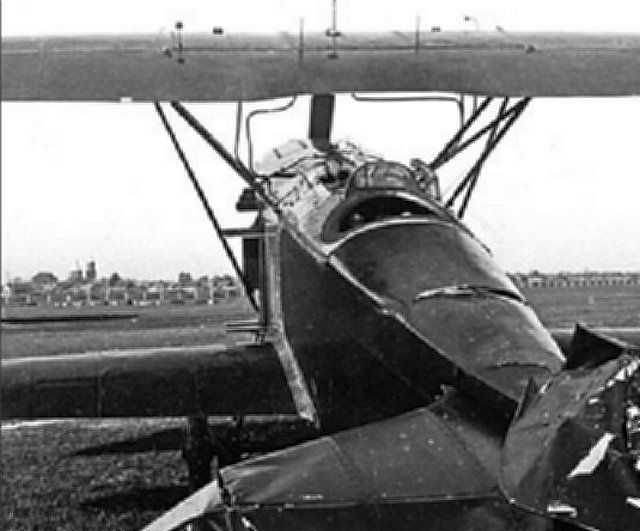
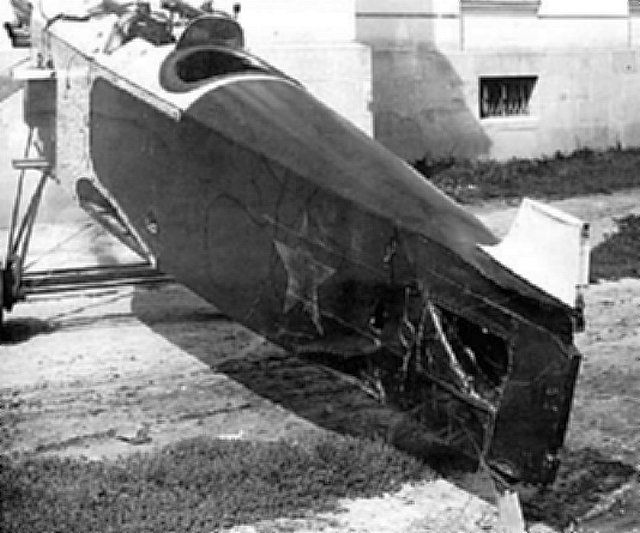
The photos come from the Russian State Archives RGVA and the archive of G.F. Petrov. They were first published by Andrei Averin in the Russian modeling magazine M-Hobby (December 2021).
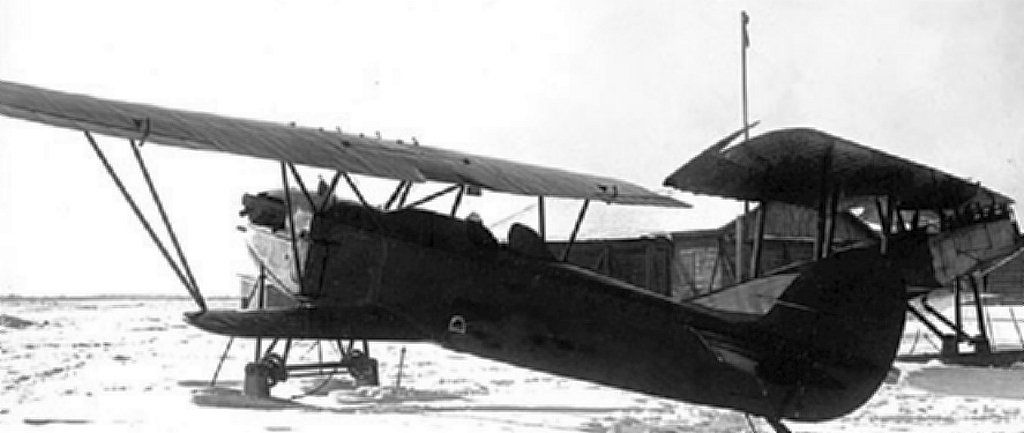
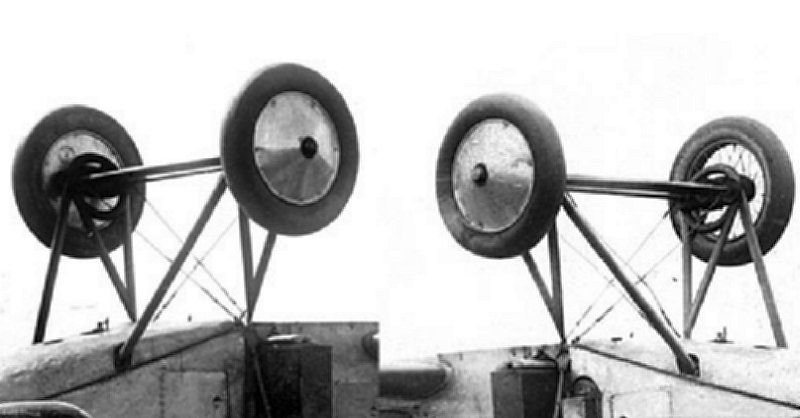
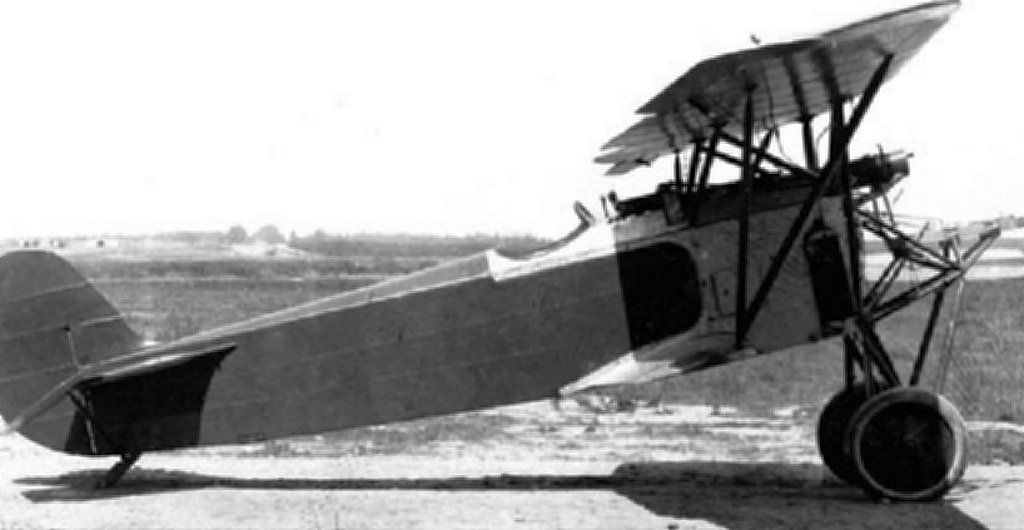
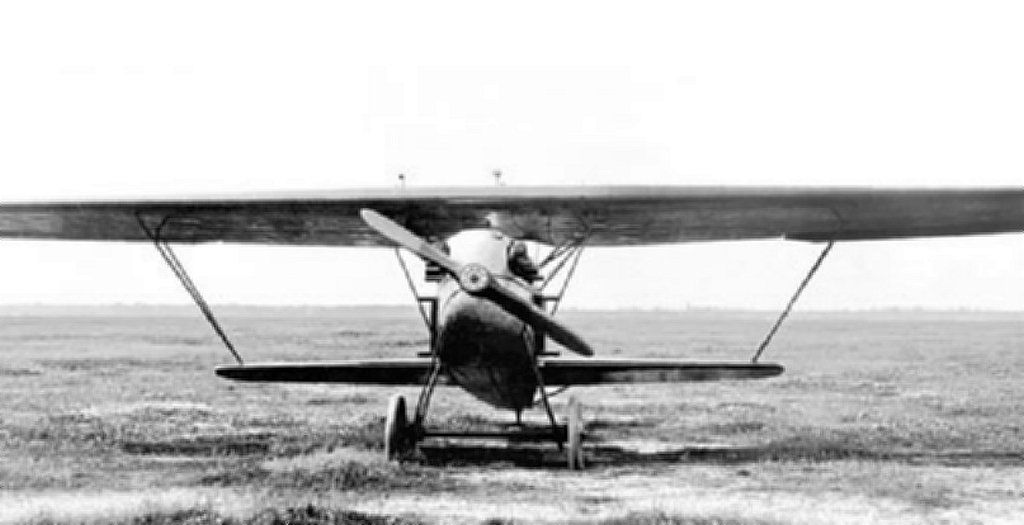
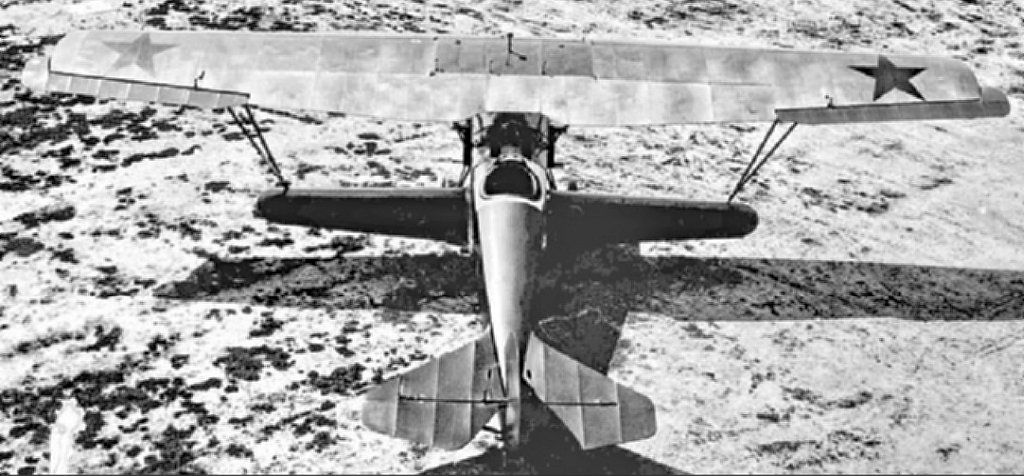
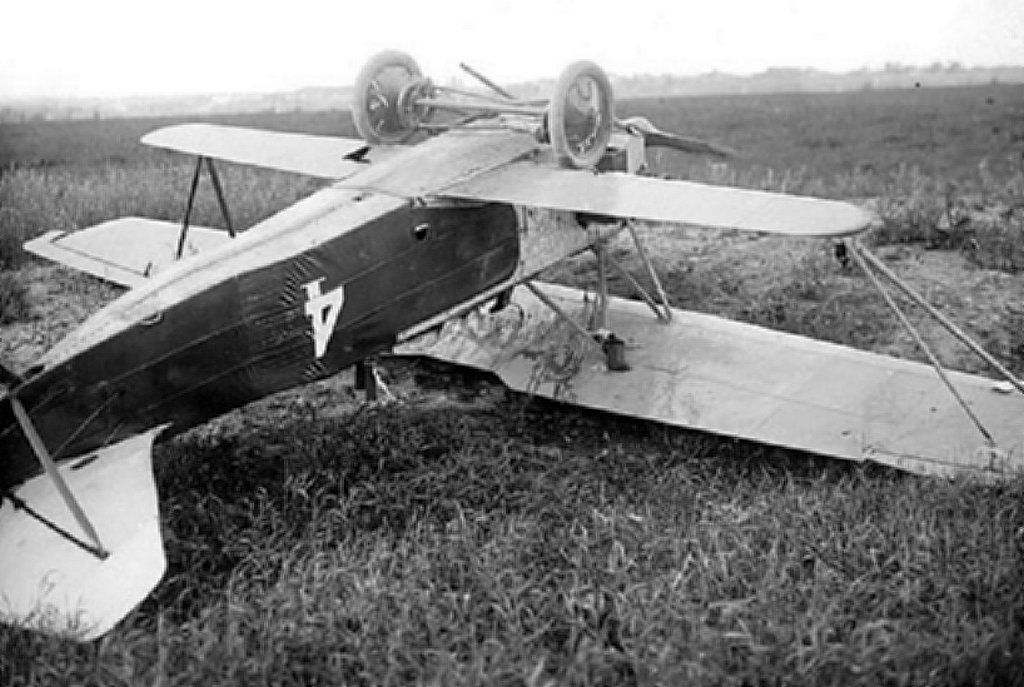
The Fokker D.XIs used in the Soviet Union consisted of three variants:
- In October 1923, the first D.XI arrived in Russia. The c/n was 2100. This aircraft had previously been used by Fokker for demonstrations and was purchased by Russia as a 'model aircraft'. It was extensively examined and tested by the NOA (the Moscow Scientific and Experimental Aerodrome) during the winter of 1923/1924. The NOA subsequently published a technical manual on the D.XI in an edition of 1,000 copies.
- An order was then placed for 125 production models. These aircraft were delivered in seven batches between October 1924 and February 1925. Construction numbers: 50 from the series 4634-4686 and 75 from the series 4726-4803.
- In 1927/1928, 15 D.XIs were "added" in Moscow. They received construction numbers that had previously been assigned to aircraft that had since been written off or scrapped. They were fitted with a Russian M-6 engine. Before entering service, these Russian copies were tested by the NII VVS in Moscow, the air force's scientific research institute.
So in total 1 + 125 + 15 = 141 different D.XIs have flown in Russia.
Technical data as preserved in the Russian archives:
Empty weight: 985 kg
Max. speed: 230 km/h
Ceiling: 7 km
Landing speed: 100-110 km/h
Flight duration: 2½ hours
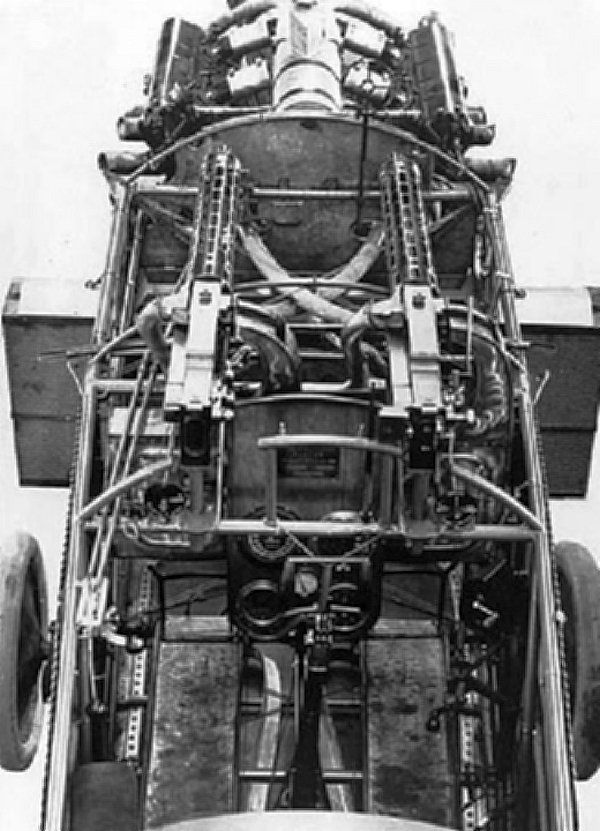
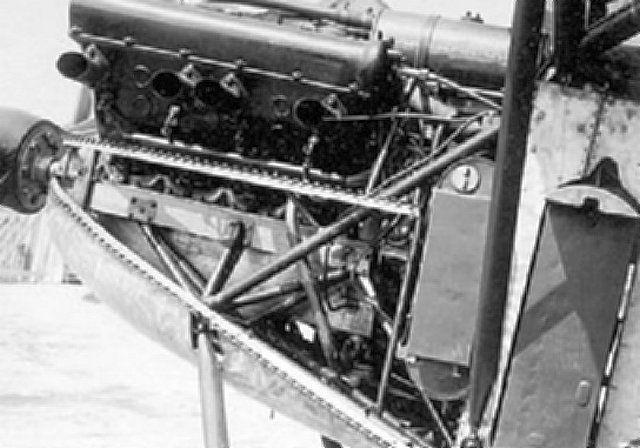
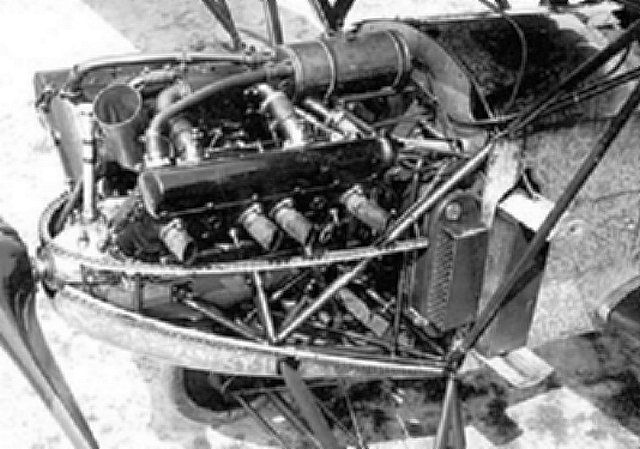
Engine: 8-cylinder, liquid-cooled Hispano-Suiza 8Fb, power 320 hp, weight without oil and fuel 265 kg. Later replaced by a Russian M-6 engine.
Propeller: Heine, diameter 2.5 m
Hull: skeleton of welded steel tubes, front section covered with aluminium, rear section covered with linen.
Engine mount: welded steel tubes (diameter 28 to 34 mm).
Wings: wooden frame covered with plywood.
Length: 7.265 m
Upper wing span (including ailerons): 11.53 m
Wingspan underwings: 6.00 m.
Ailerons and tailplanes: skeleton of steel tubes (diameter 12 to 33 mm), covered with linen.
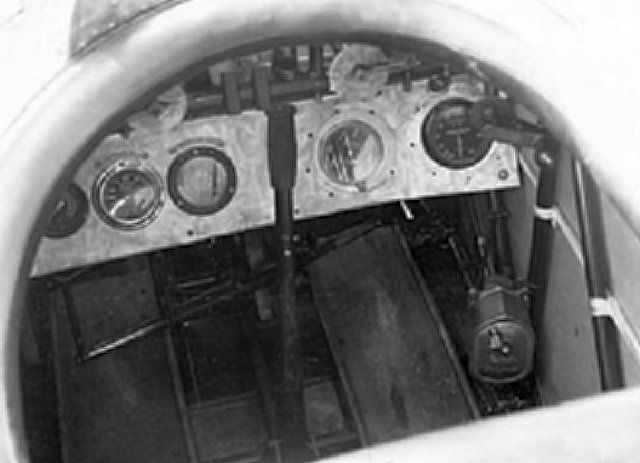
Instrument panel: altimeter, speedometer, oil pressure gauge, thermometer (outside air) and tachometer.
The D.XI c/n 2100 had three 83.3-litre petrol tanks in the centre of the upper wing. Each tank had its own fuel filler opening. Production models had a fourth 76-litre tank in the wing nose, forward of the other three tanks. Armament consisted of two Vickers Mk II machine guns. The export version, which was compatible with Russian-made cartridges, was used.
Click on the photo to enlarge the photo