The Fokker F.XXXVI
On June 6, 1932, Anthony Fokker unveiled his plans for the gigantic F.XXXVI to KLM boss Albert Plesman.
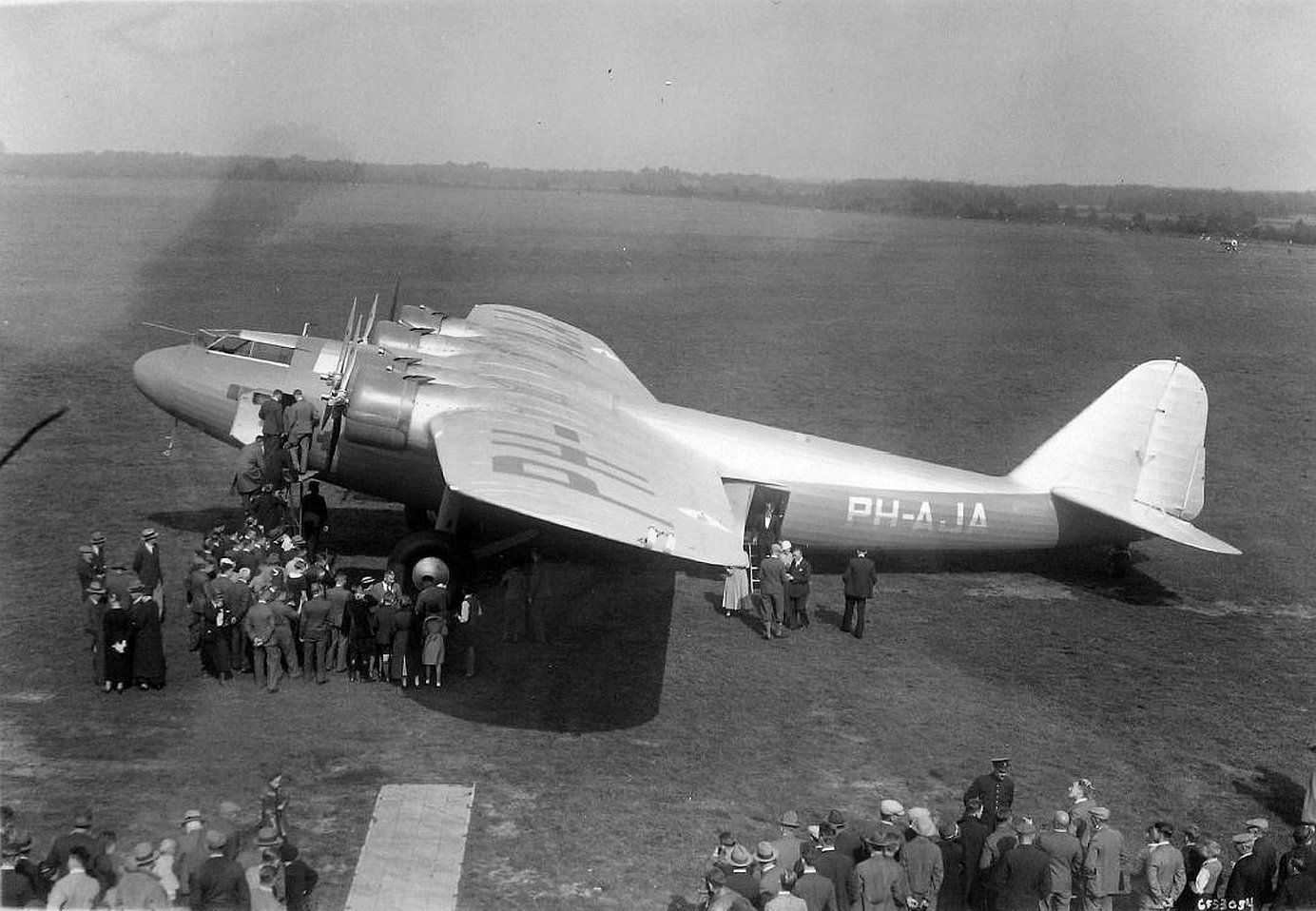
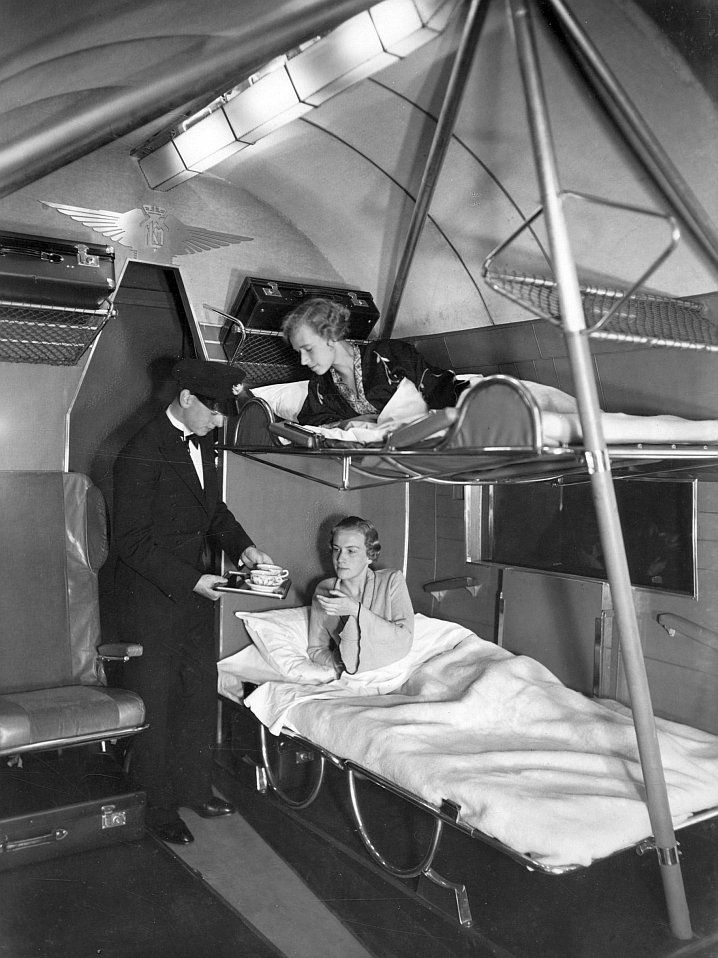
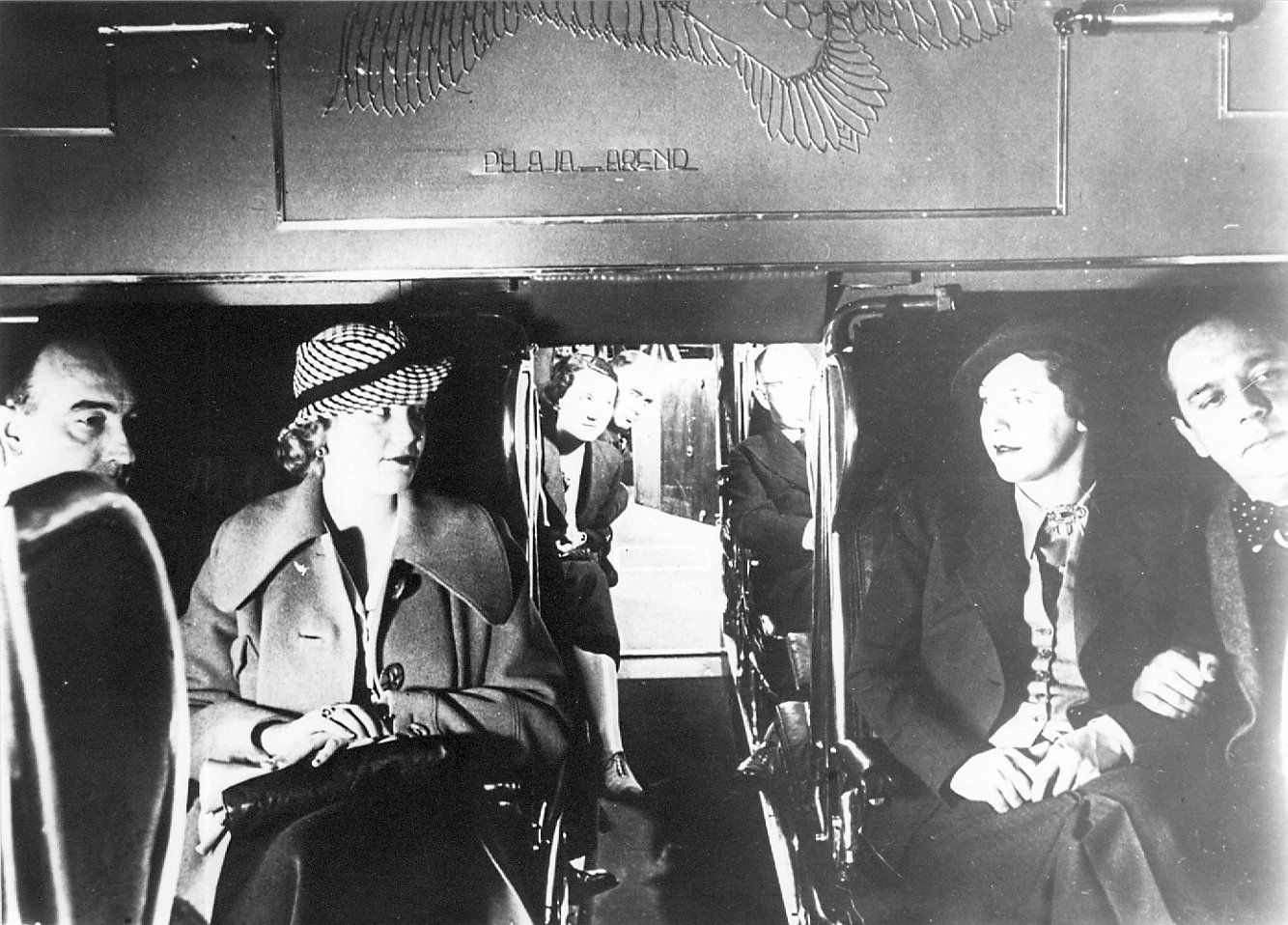
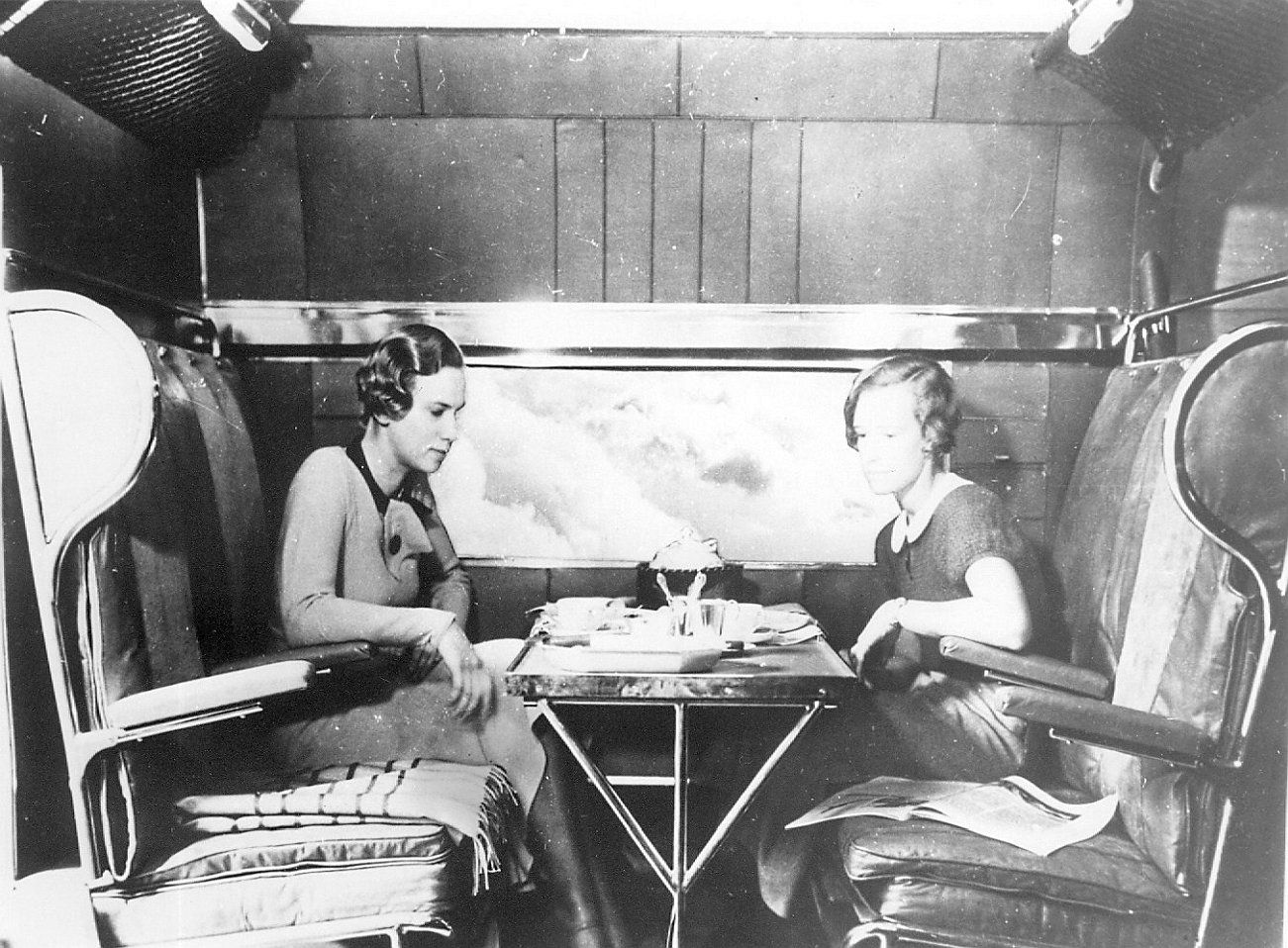
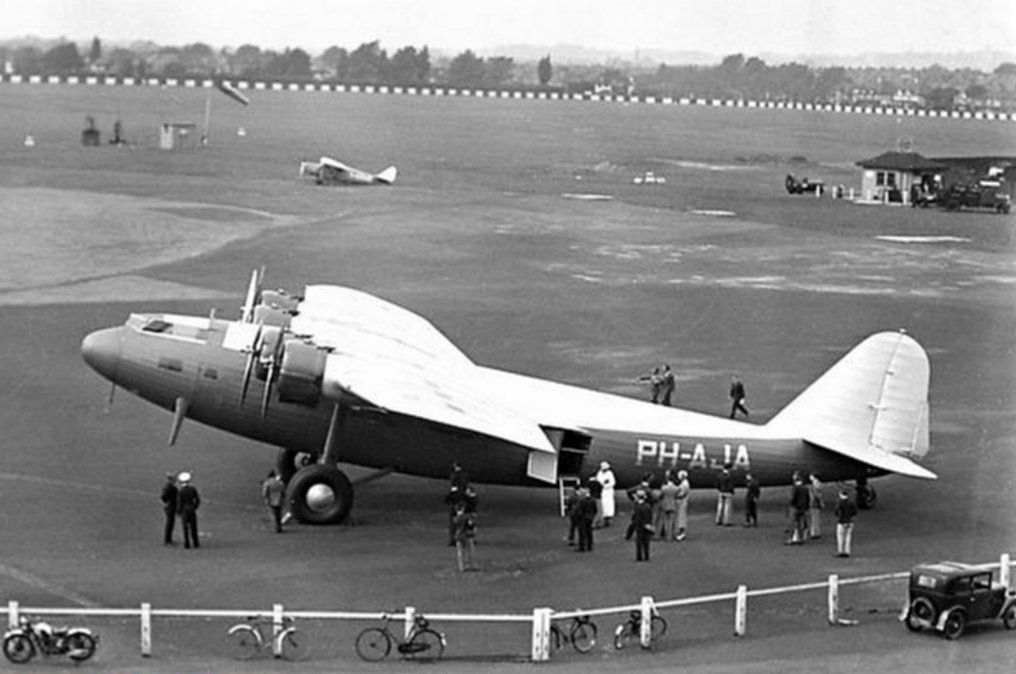
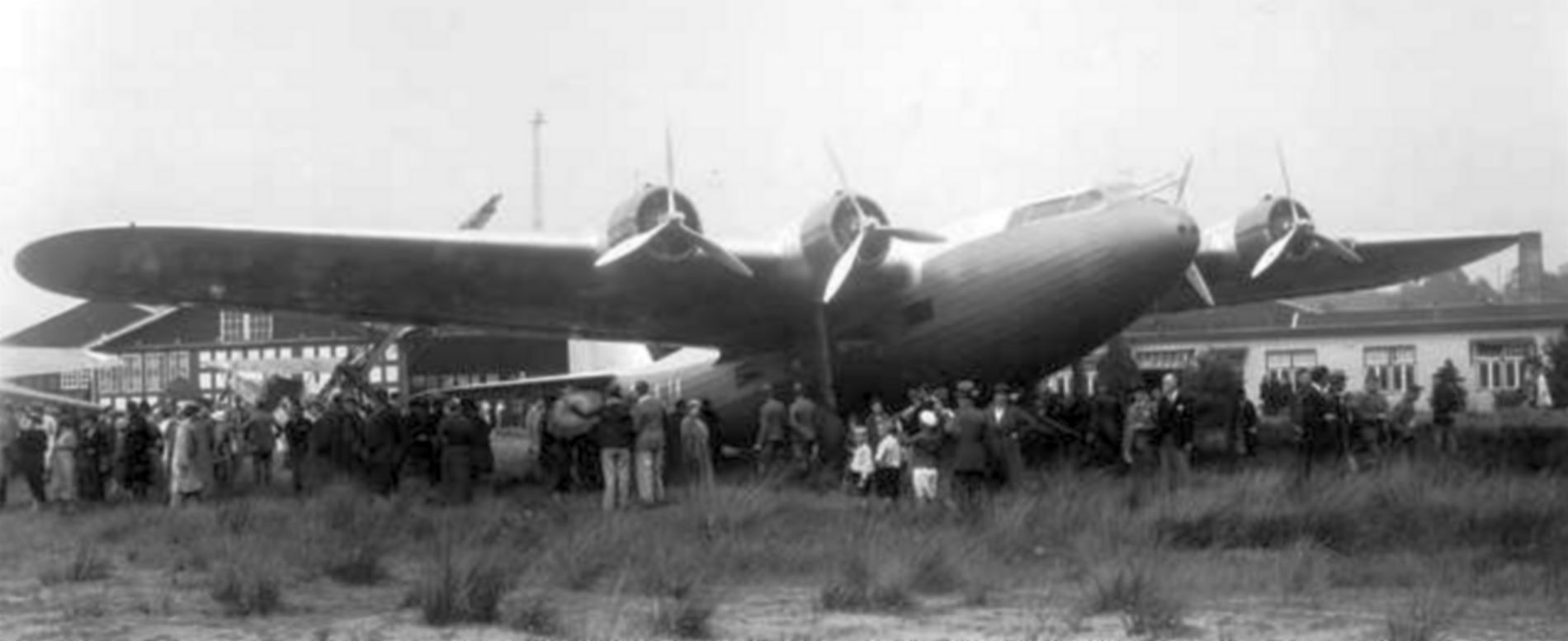
The F.XXXVI offered space for no fewer than 32 passengers, in four luxurious 8-person compartments.
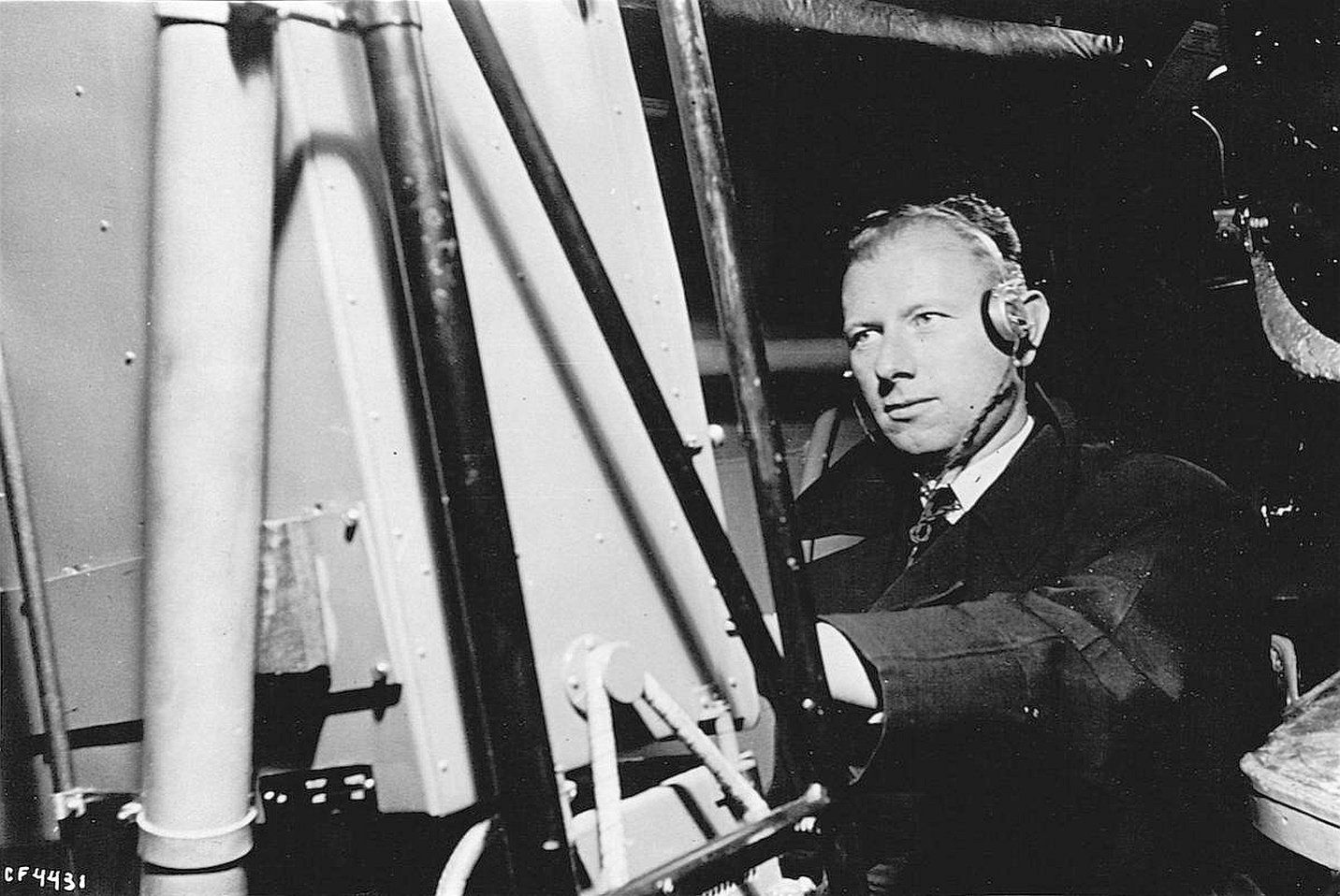
The crew consisted of 4 people, there was a galley with a refrigerator and two toilets in the rear of the cabin.
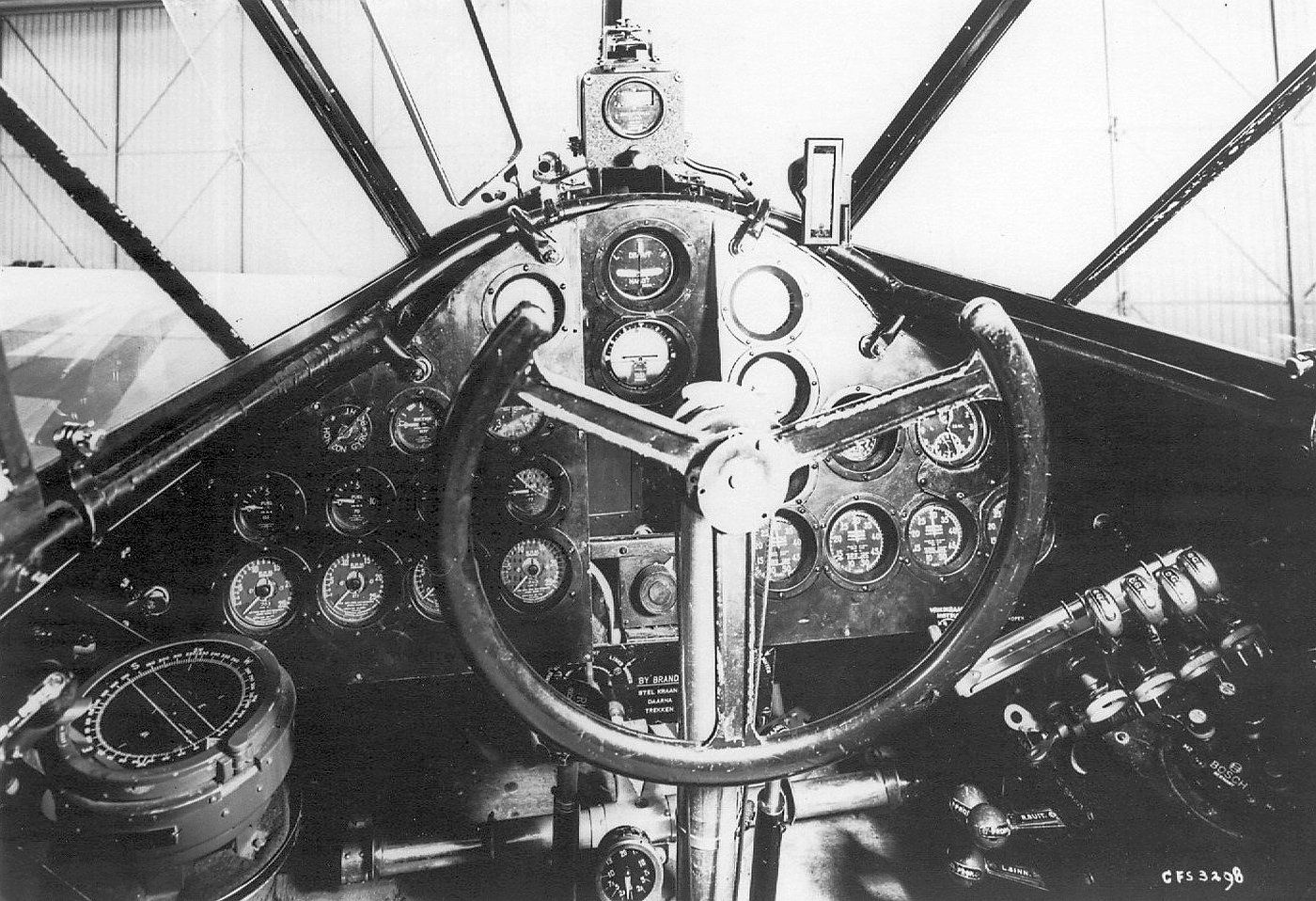
In the cockpit, the pilots sat diagonally behind each other, as in the F.XXII.
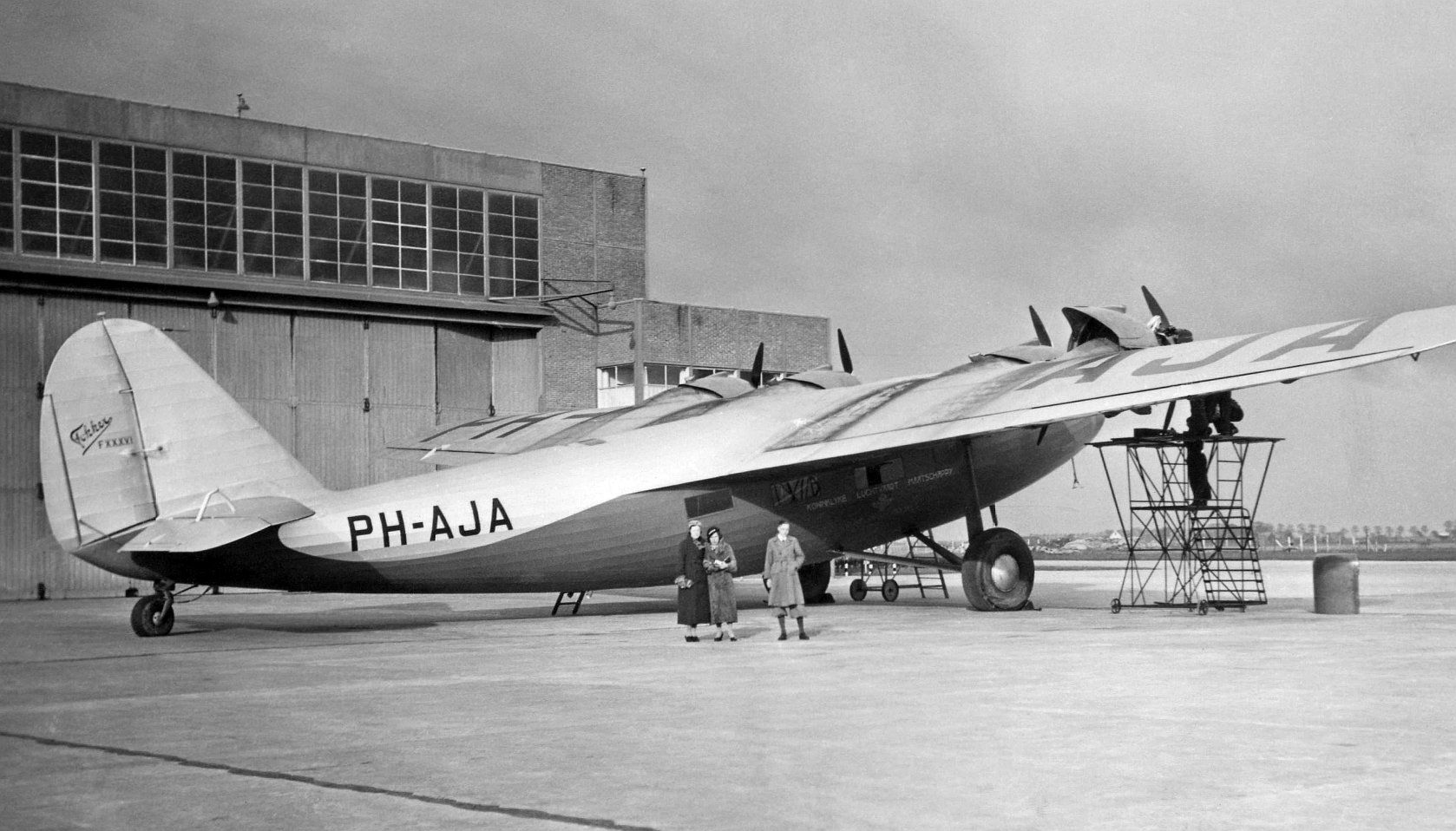
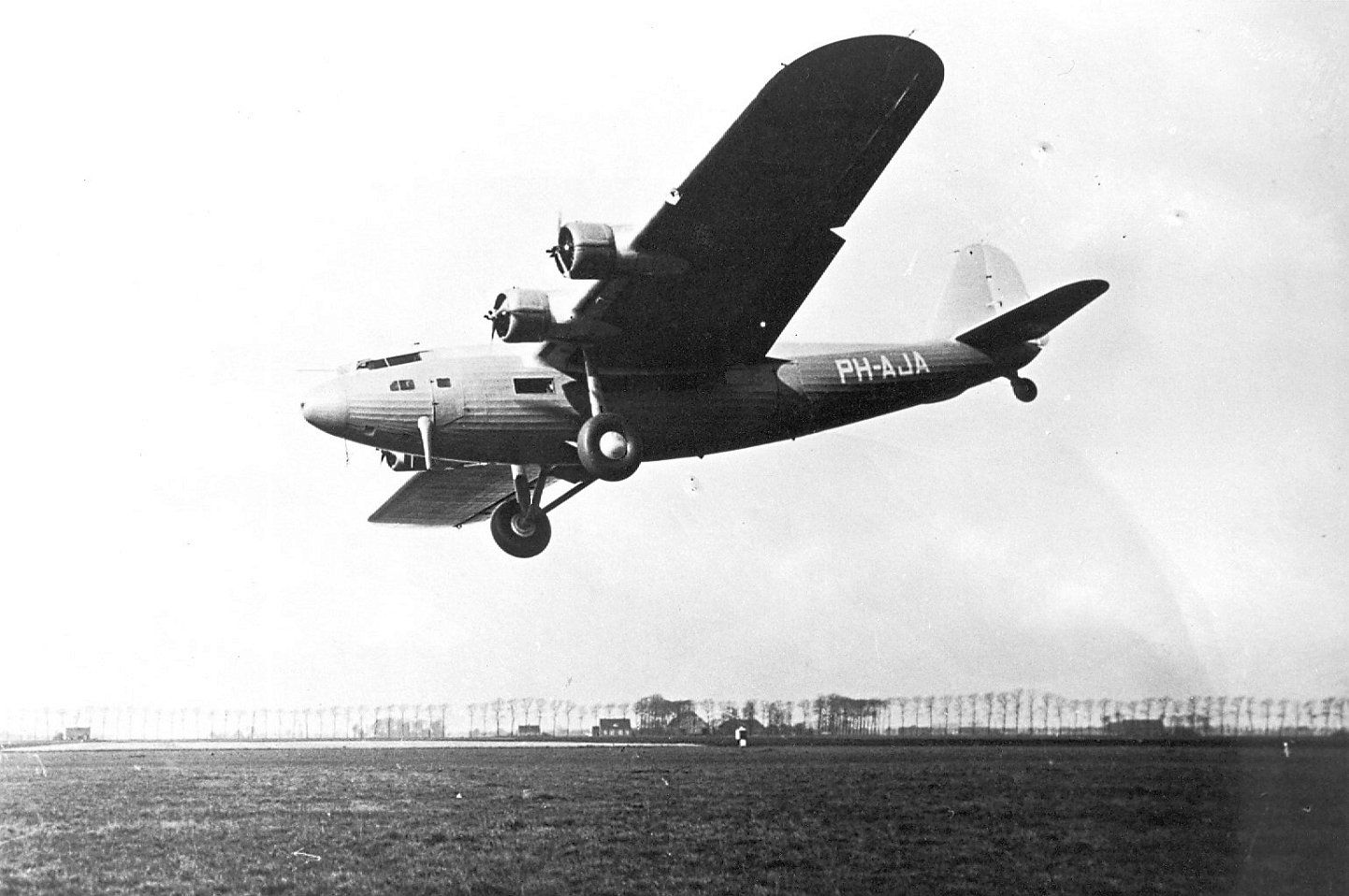
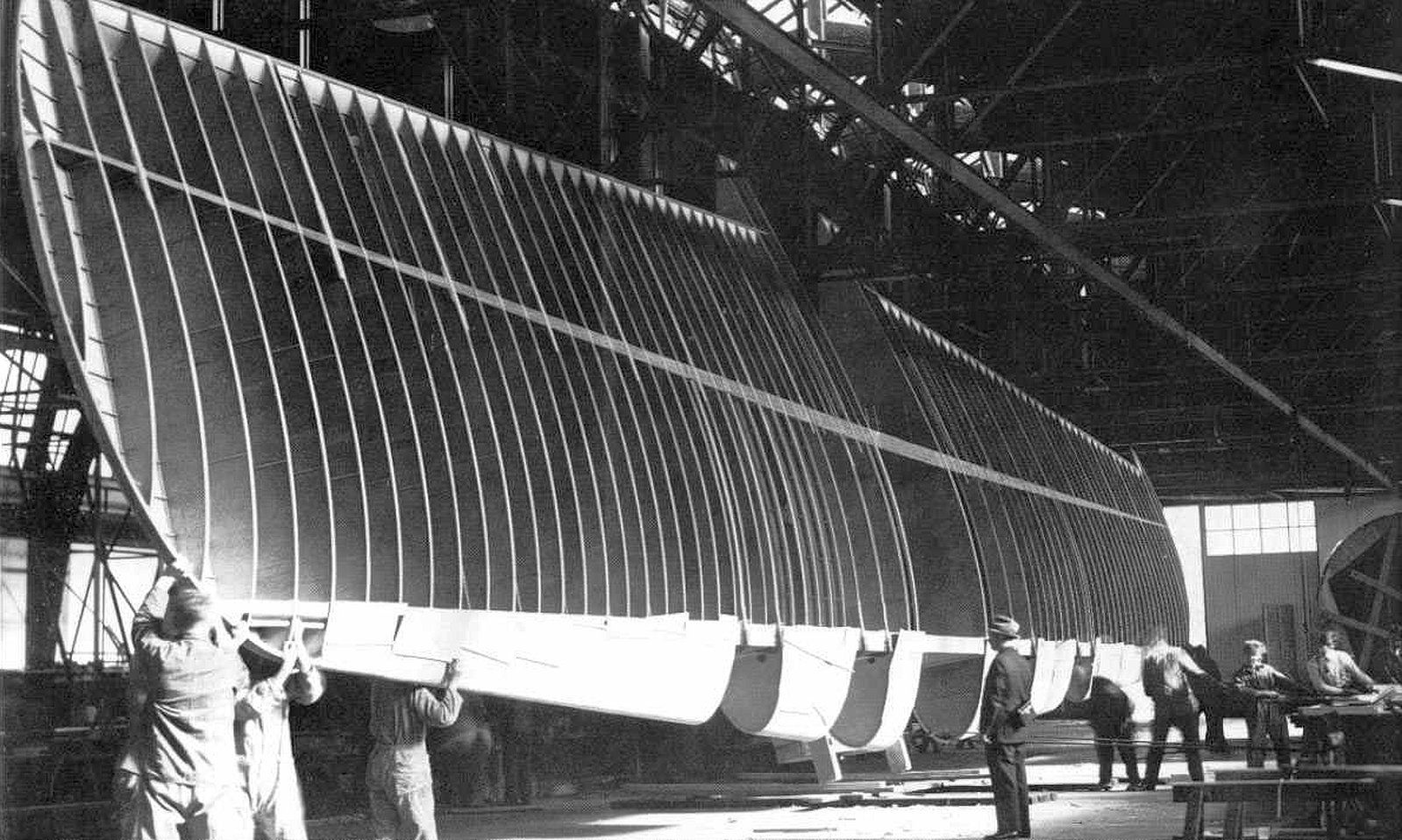
The wing had a span of 33 meters and an area of 172 m².
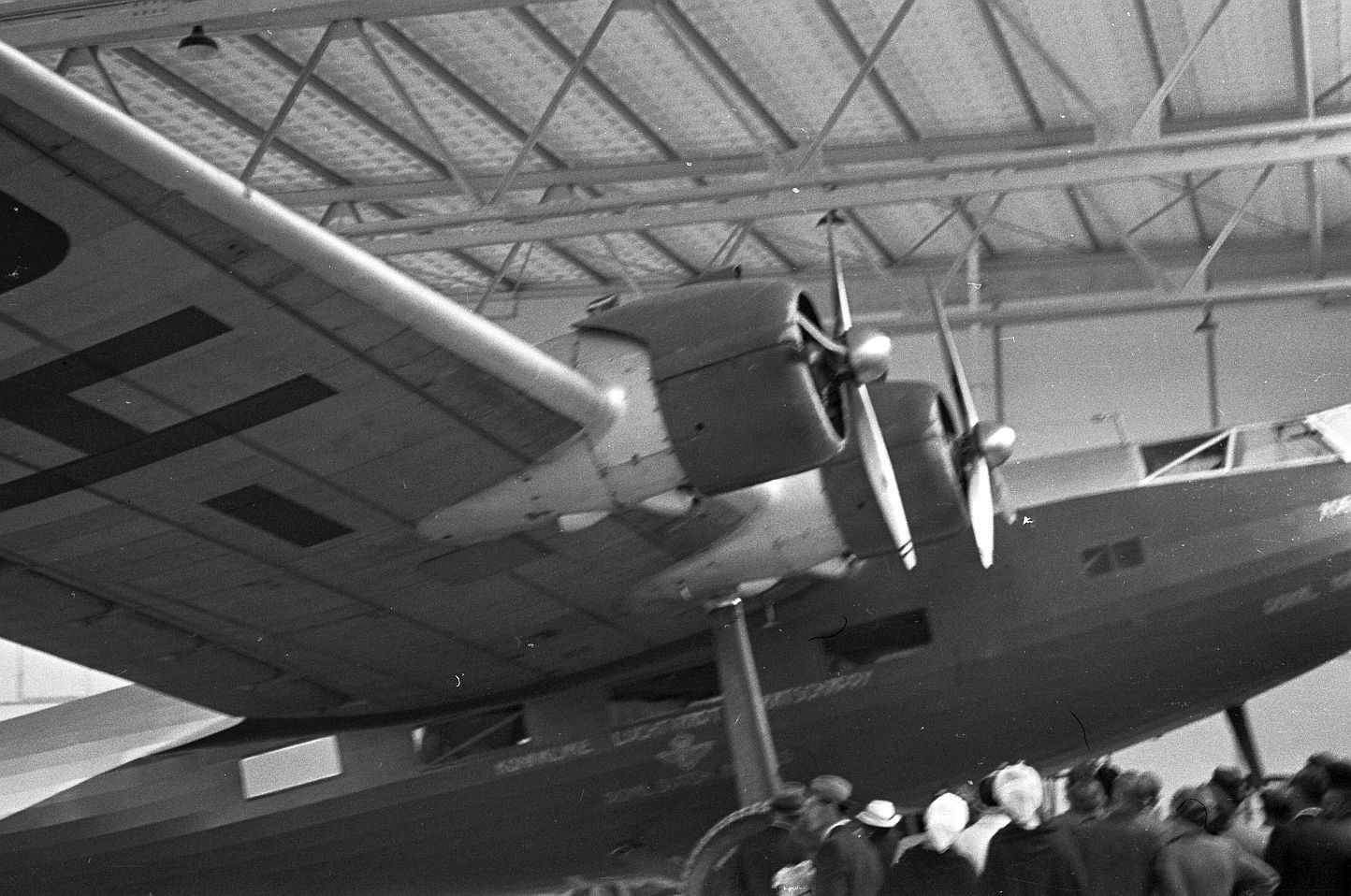
The F.XXXVI was equipped with 4 Wright Cyclones of 750 hp each.
In September 1932, Plesman verbally offered to purchase 6 aircraft.
However, only one aircraft was built for KLM and only one F.XXXVI was ever built.
Partly due to the arrival of the all-metal Douglas DC-2, the F.XXXVI was not a success.
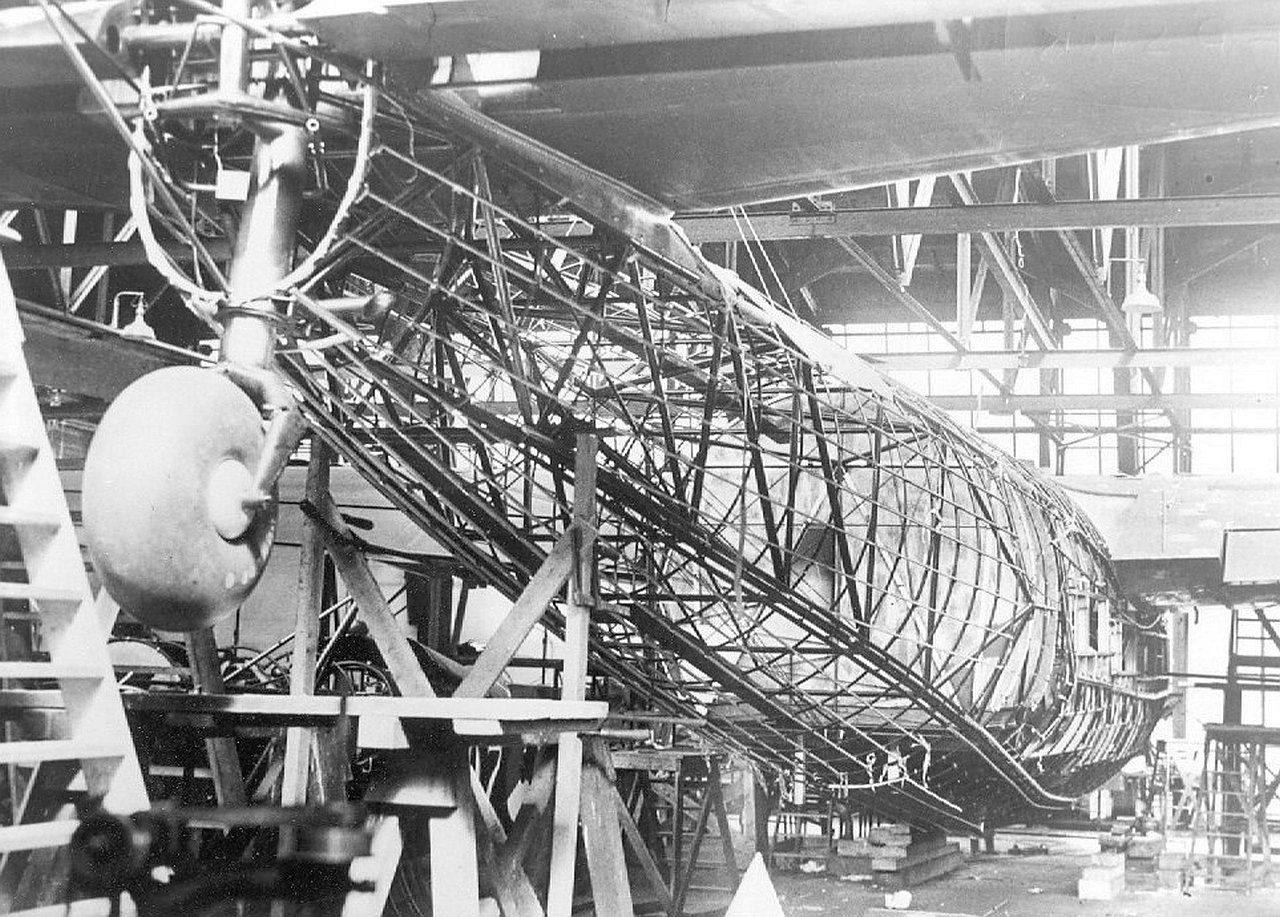
Fokker continued to adhere (for too long) to the conventional construction method of steel tubing, linen and wood.
The first flight took place on 22 June 1934, even before the smaller version, the F.XXII.
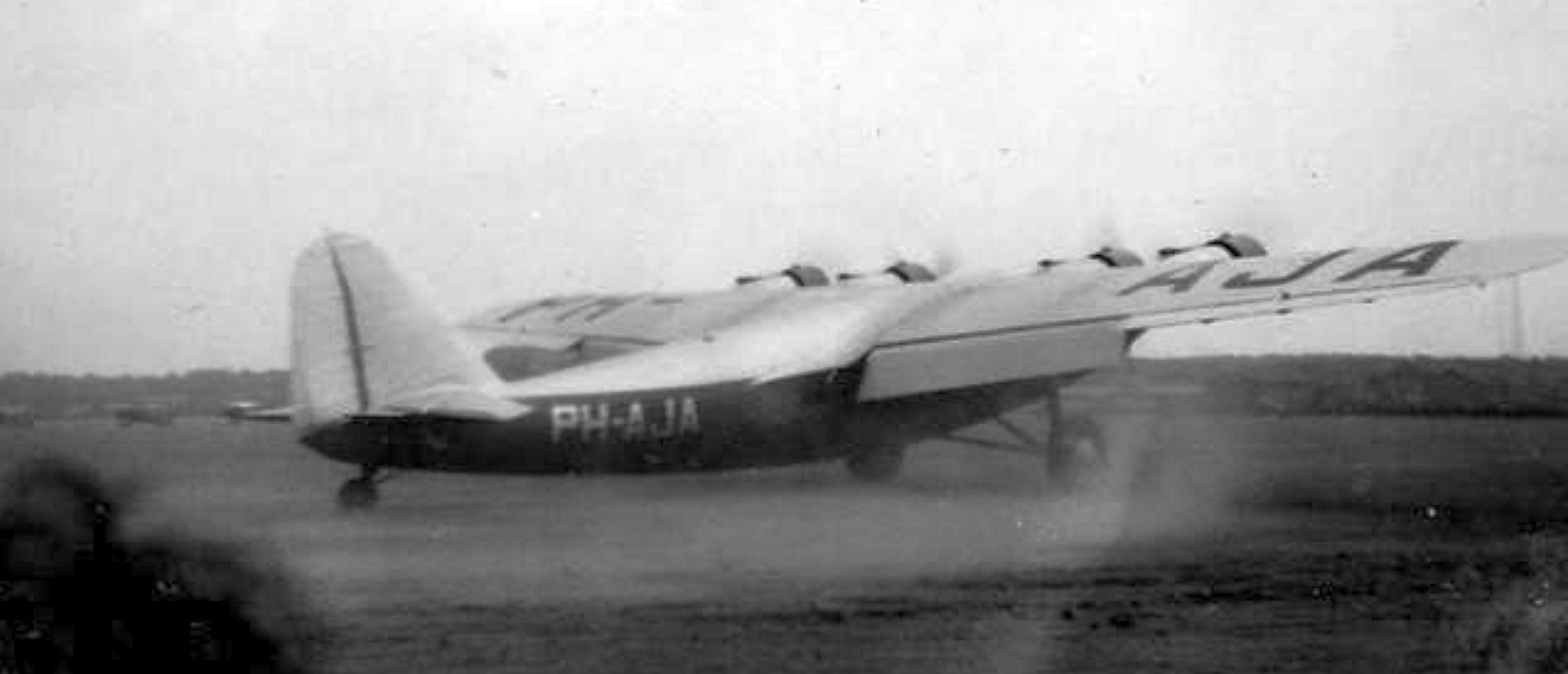
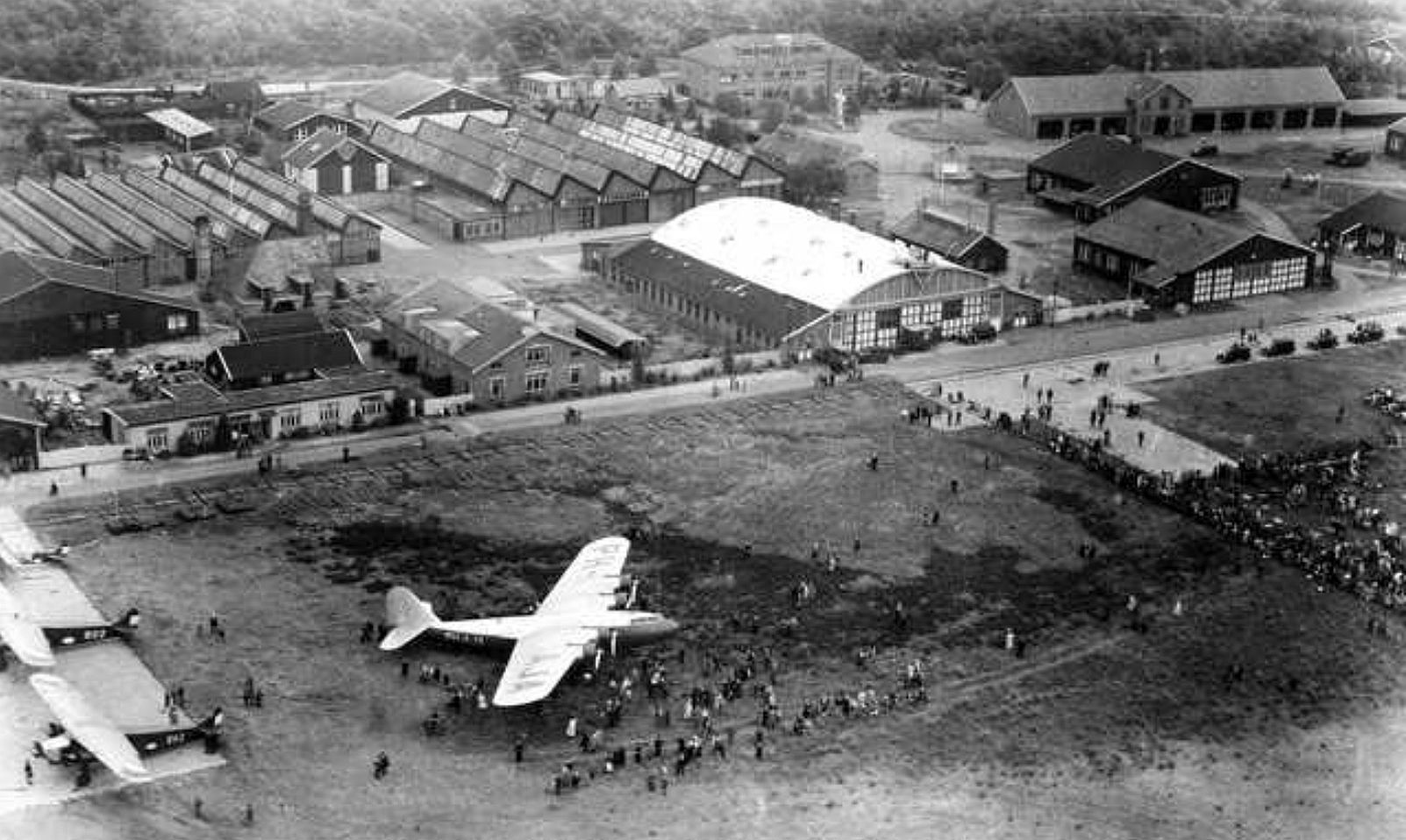
On 27 March 1935 the F.XXXVI went to KLM as PH-AJA.
The F.XXXVI was not deployed on the East Indies route, but served satisfactorily on European routes for a few years.
During the summer months, the F.XXXVI also carried out sightseeing flights.
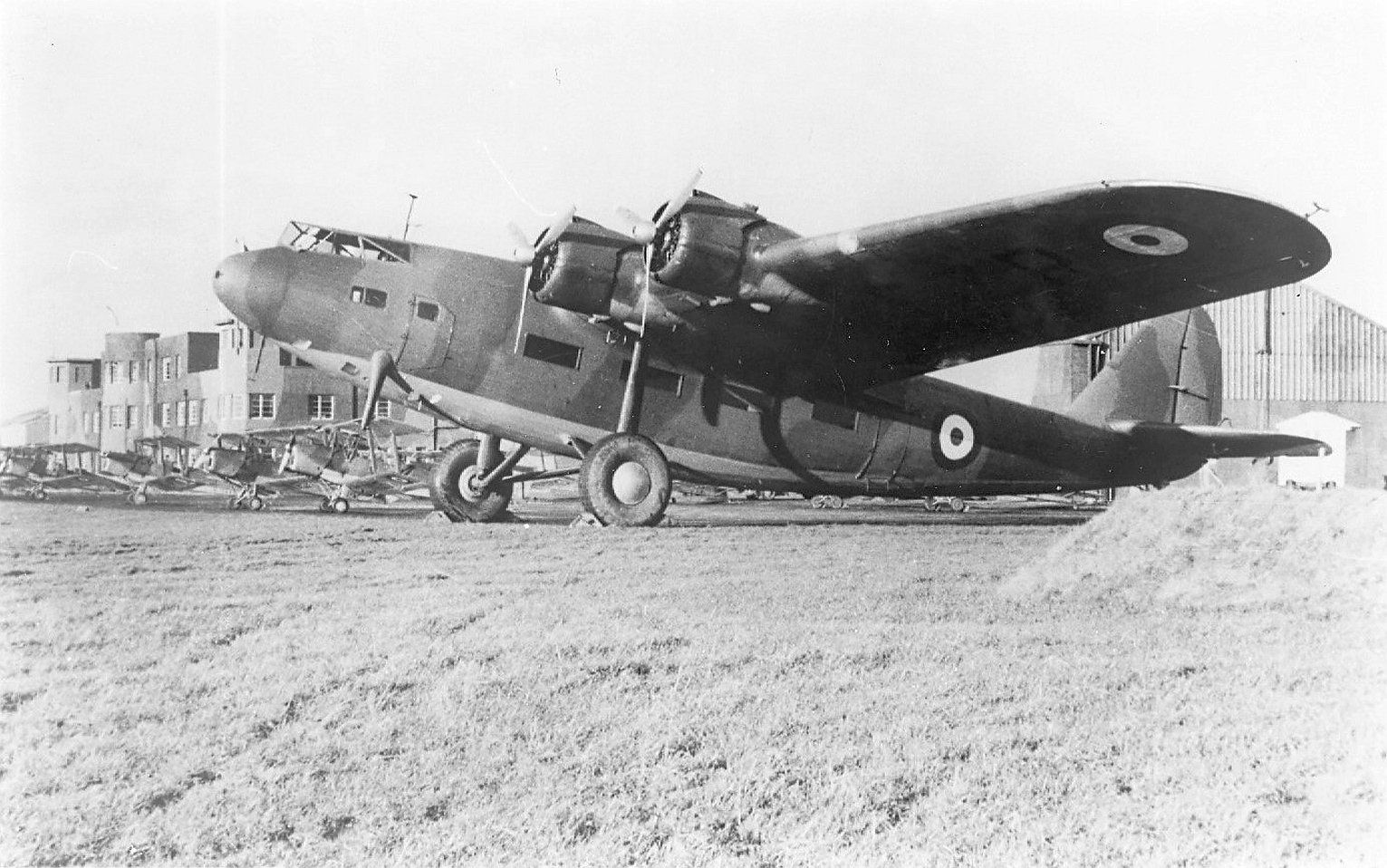
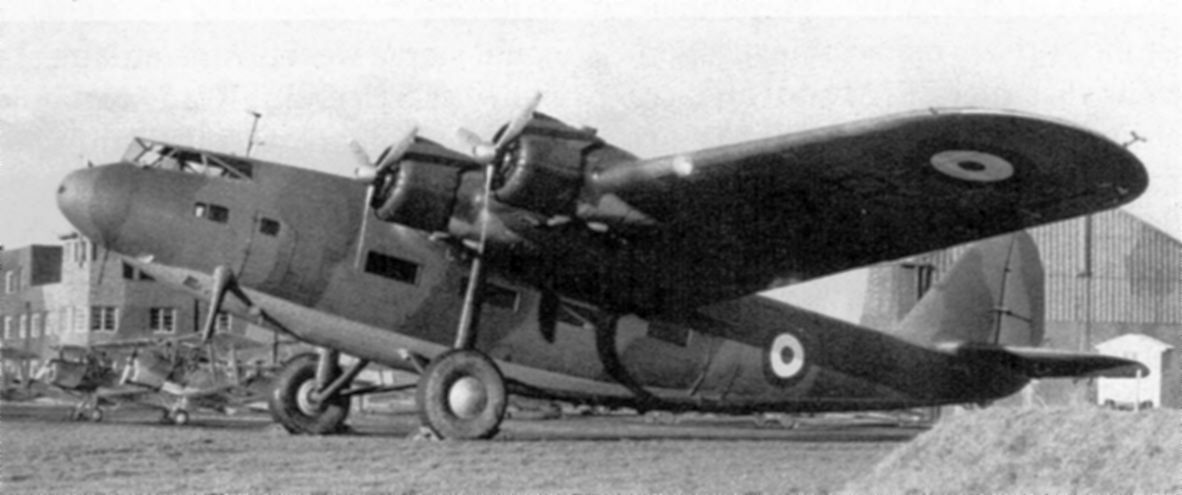
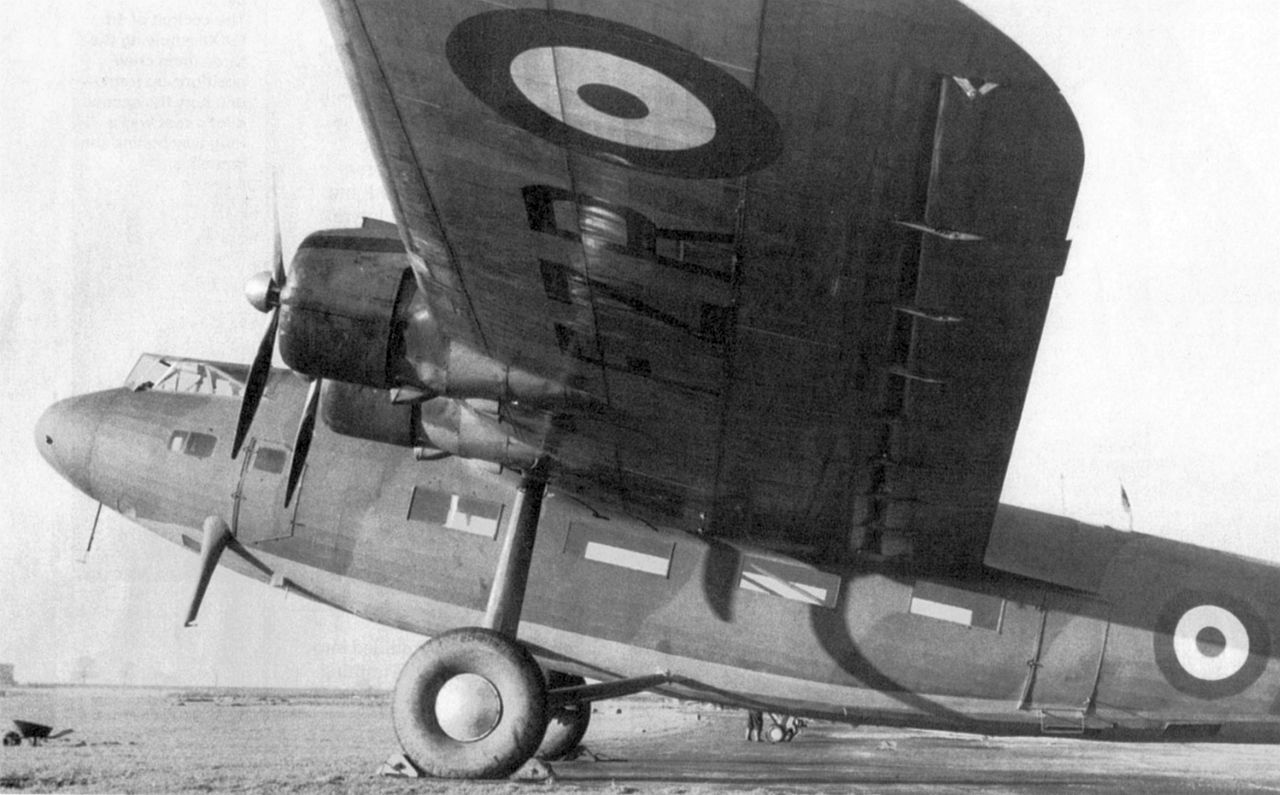
After his KLM career, the F.XXXVI went to Scottish Aviation in September 1939 and after two months went to the RAF, the Royal Air Force.
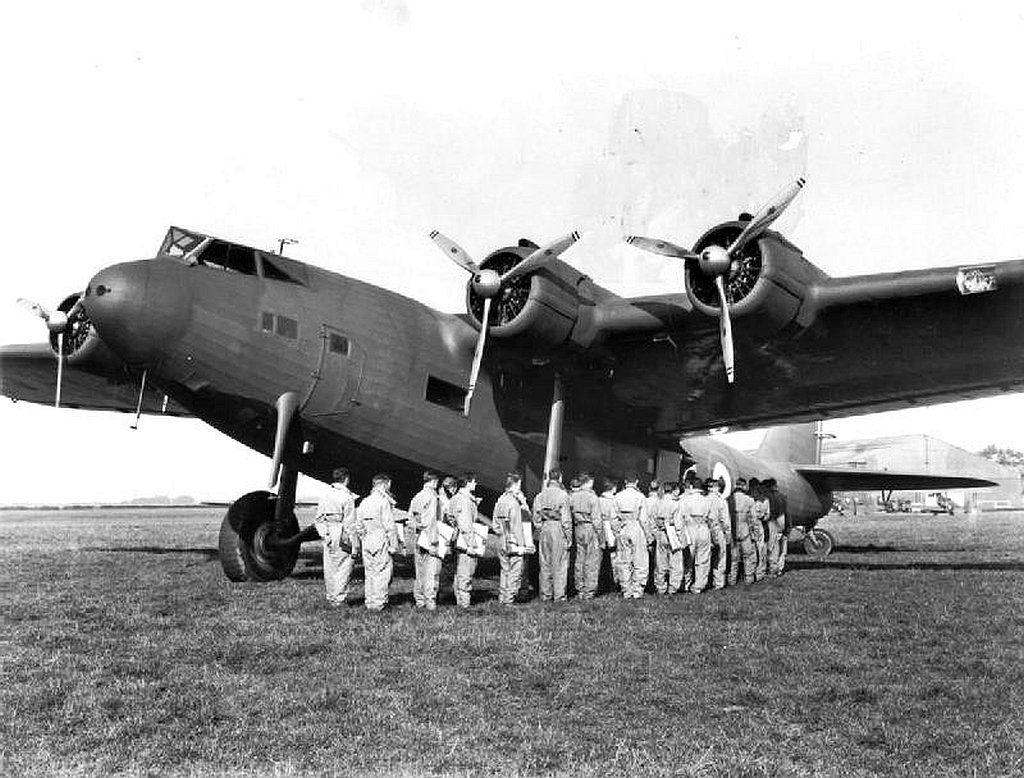
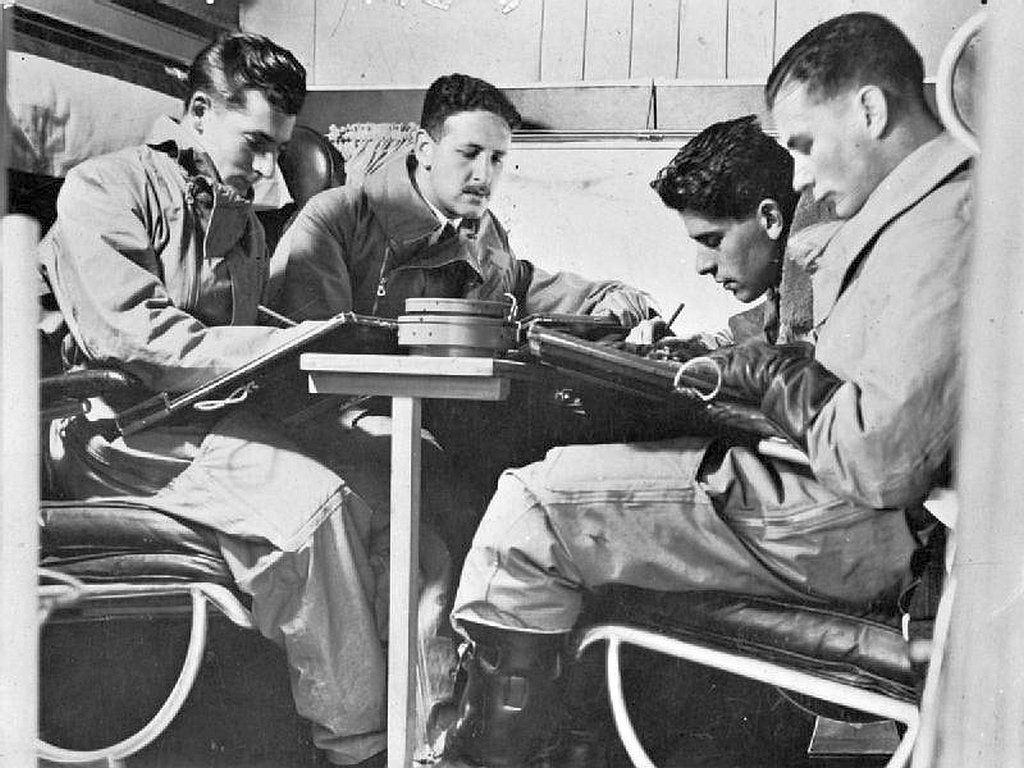
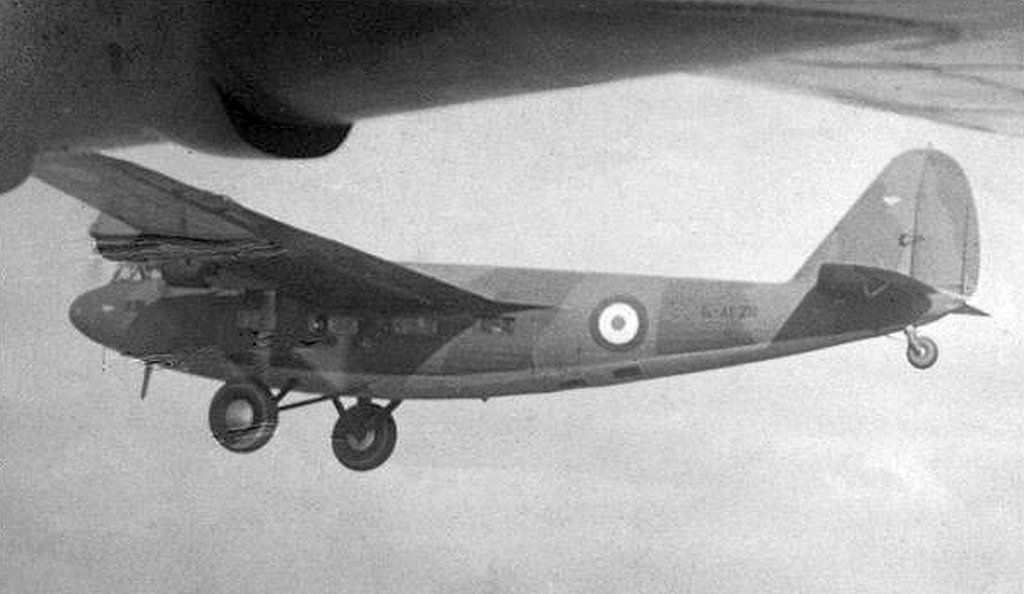
The F.XXXVI was converted and used by the RAF as a flying classroom for trainee navigators, as was the F.XXII.
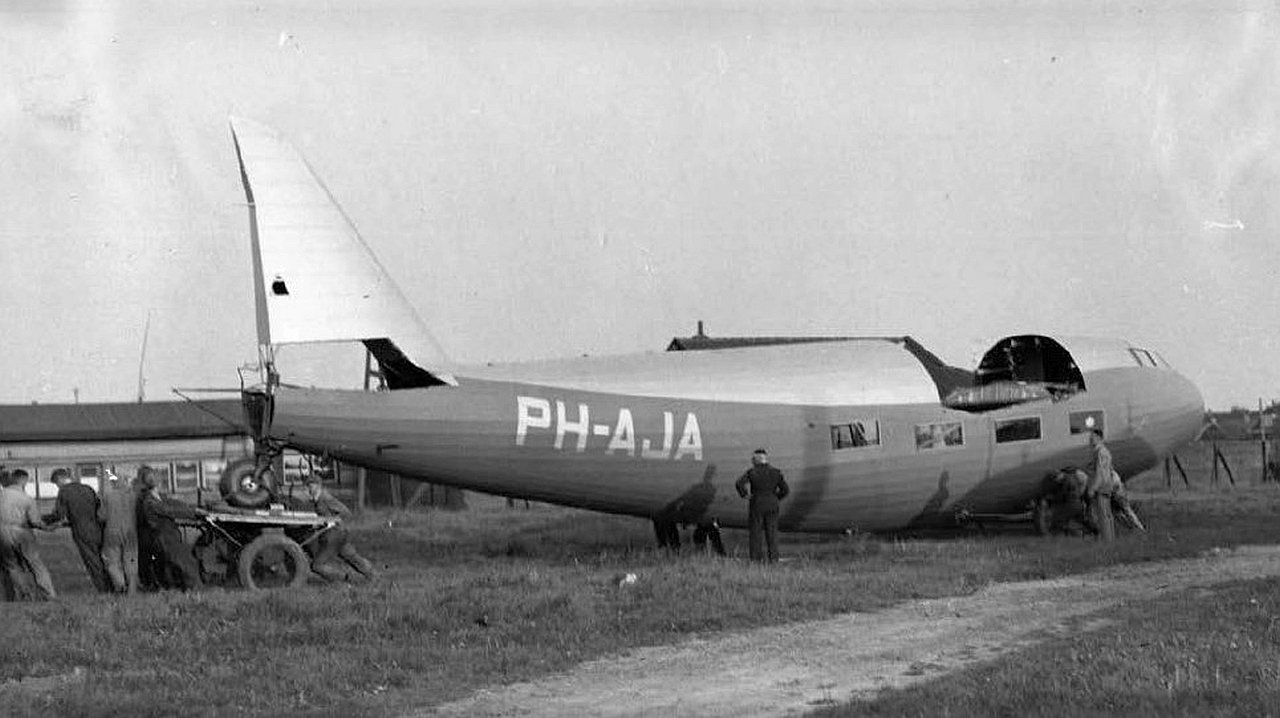
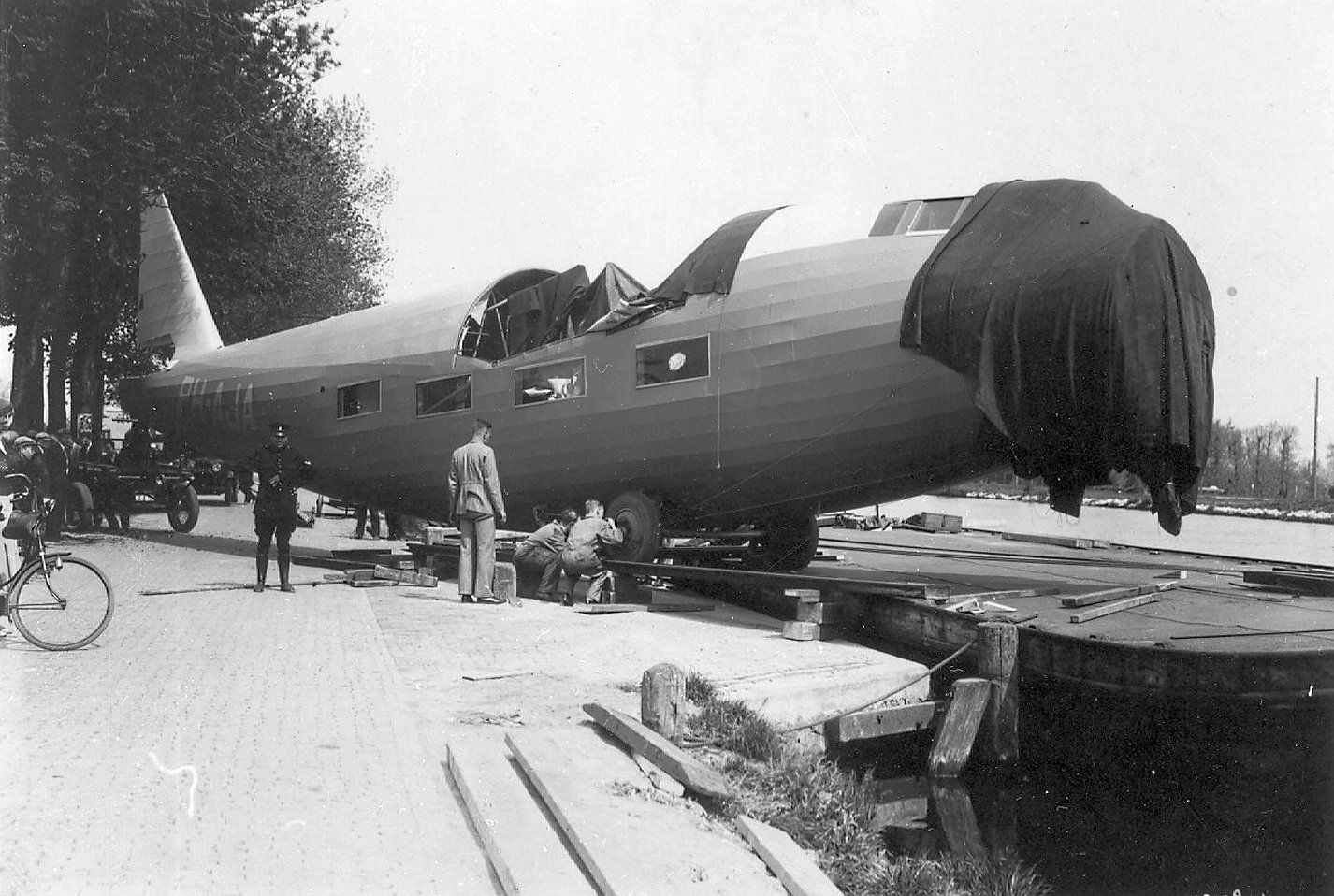
On 21 May 1940, the F.XXXVI crashed during take-off from Prestwick airfield.
The F.XXXVI offered space for no fewer than 32 passengers, in four luxurious 8-person compartments.
The crew consisted of 4 people, there was a galley with a refrigerator and two toilets in the rear of the cabin.
In the cockpit, the pilots sat diagonally behind each other, as in the F.XXII.
The wing had a span of 33 meters and an area of 172 m².
The F.XXXVI was equipped with 4 Wright Cyclones of 750 hp each.
In September 1932, Plesman verbally offered to purchase 6 aircraft.
However, only one aircraft was built for KLM and only one F.XXXVI was ever built.
Partly due to the arrival of the all-metal Douglas DC-2, the F.XXXVI was not a success.
Fokker continued to adhere (for too long) to the conventional construction method of steel tubing, linen and wood.
The first flight took place on 22 June 1934, even before the smaller version, the F.XXII.
On 27 March 1935 the F.XXXVI went to KLM as PH-AJA.
The F.XXXVI was not deployed on the East Indies route, but served satisfactorily on European routes for a few years.
During the summer months, the F.XXXVI also carried out sightseeing flights.
After his KLM career, the F.XXXVI went to Scottish Aviation in September 1939 and after two months went to the RAF, the Royal Air Force.
The F.XXXVI was converted and used by the RAF as a flying classroom for trainee navigators, as was the F.XXII.
On 21 May 1940, the F.XXXVI crashed during take-off from Prestwick airfield.
Click on the photo to enlarge the photo