Anthony Fokker and his factories around the world
Blitar
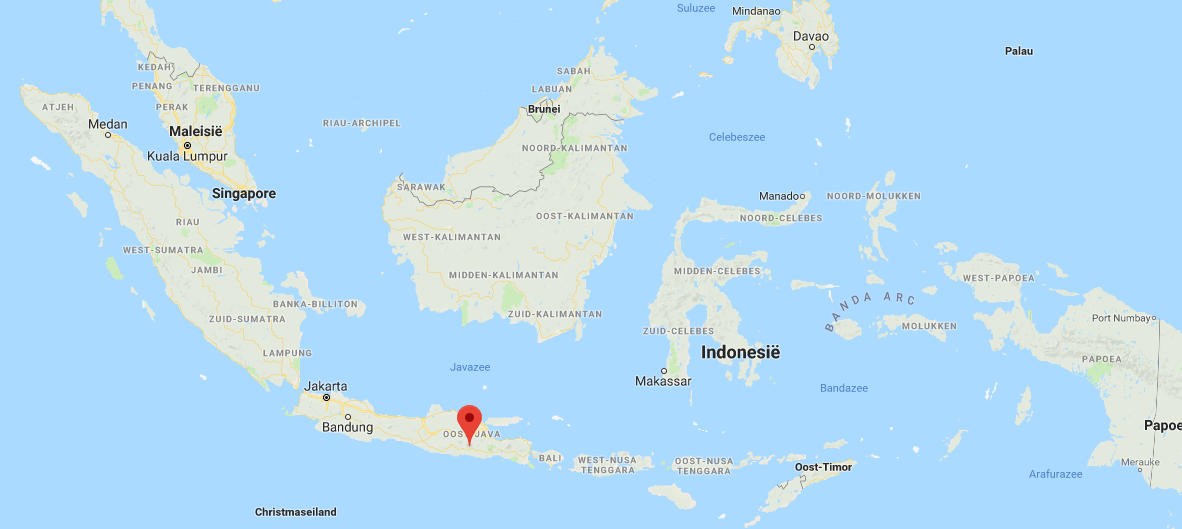
Anthony Fokker was born on 6 April 1890 in Blitar (Kediri) on Java, then part of the Dutch East Indies, as the son of the wealthy Dutch coffee planter Herman Fokker.
Haarlem
When Anthony was four, the family moved back to the Netherlands.
His school years were difficult, as Anthony was more interested in technology and wanted to fly. He built his first airplane with a friend.
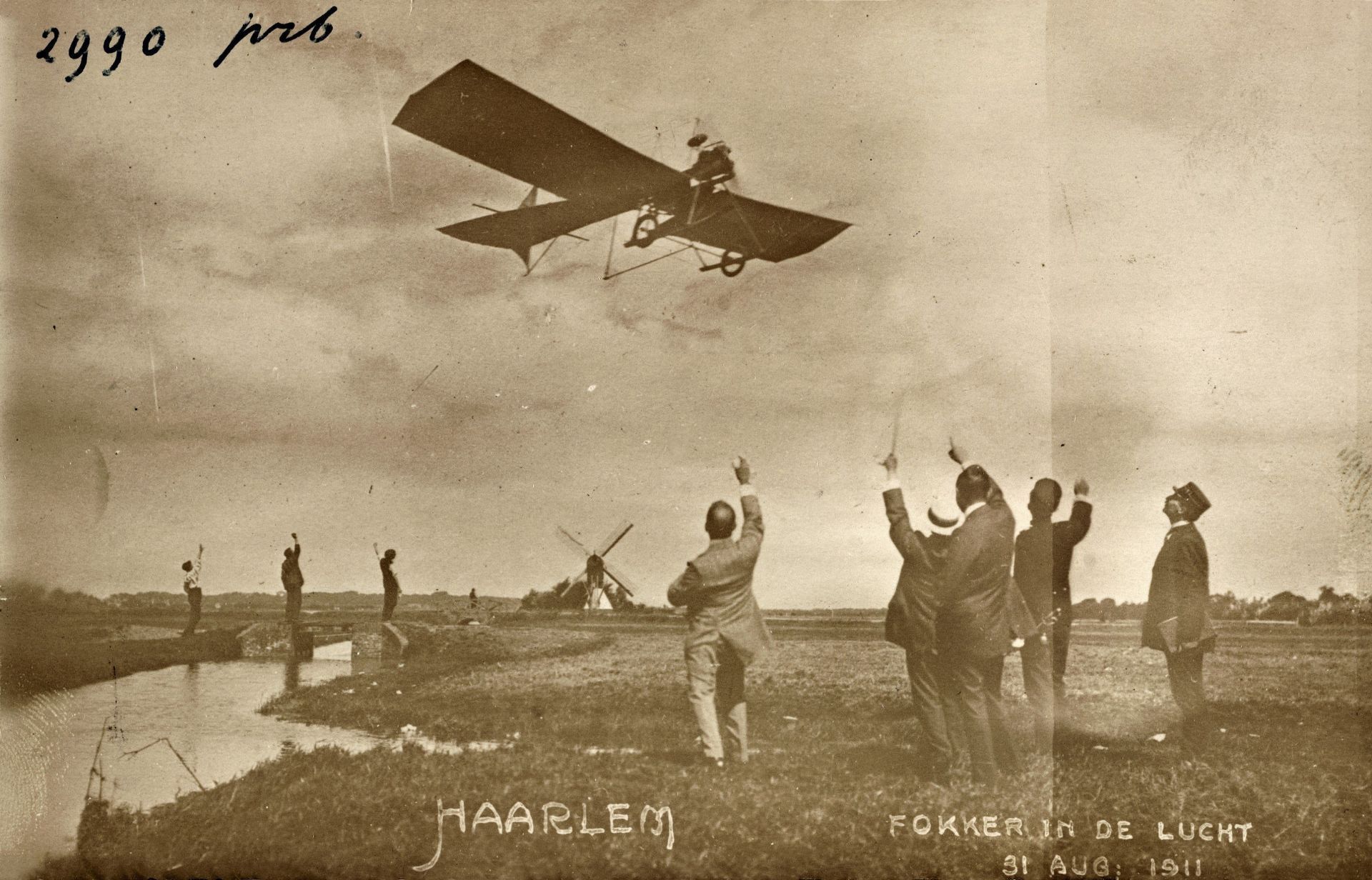
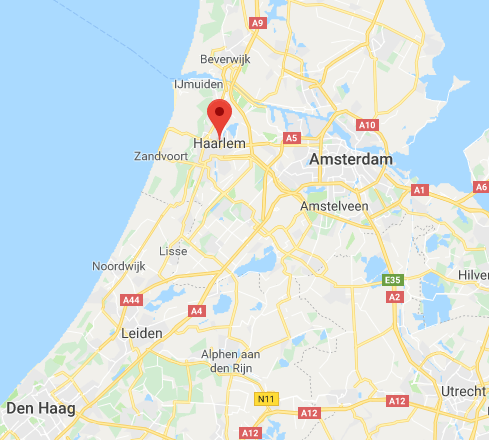
His father wanted him to give a flying demonstration on Queen's Day, August 31, 1911. The flight with De Spin over Haarlem was an overwhelming success for the young Fokker.
Johannisthal
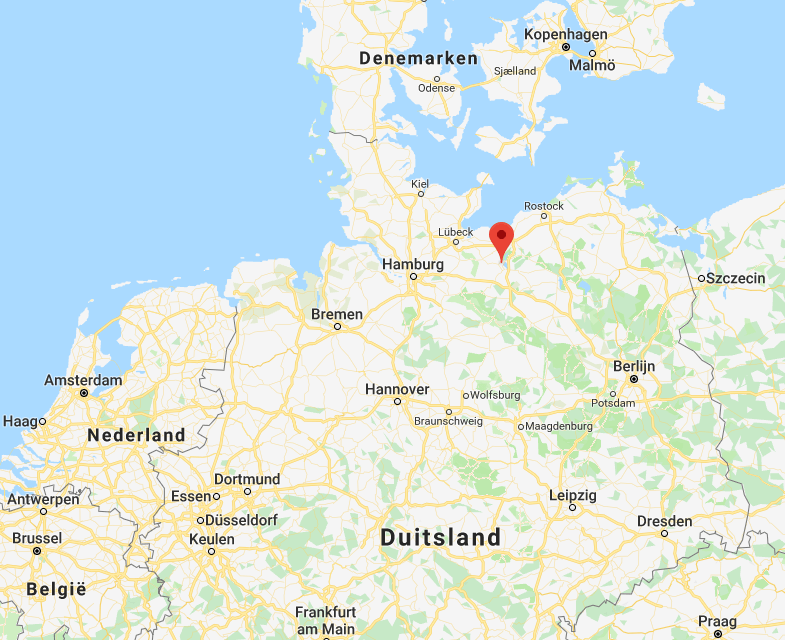
In 1912 Fokker founded an aircraft factory in Johannisthal, east of Berlin, the Fokker Aviatik GmbH (better known as Fokker Aeroplanbau).
By giving flying lessons and receiving a generous allowance from his father and other relatives, he just managed to get by financially.
He sold his first aircraft. He also sold them to the German army, after initially trying to supply aircraft to the Dutch army. But the Netherlands was only interested in British and French aircraft.
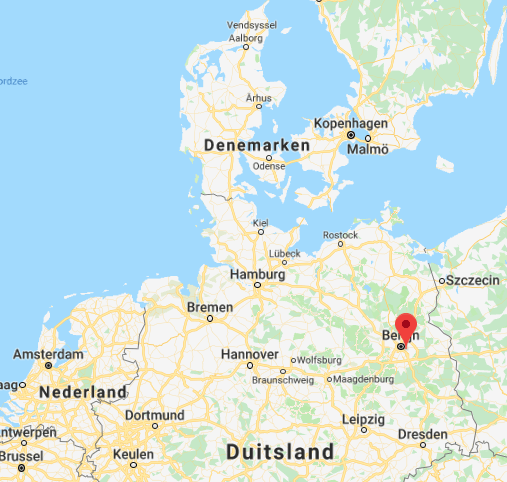
The Germans appreciated the quality of the aircraft and also recognized Fokker's organizational talents. He received permission to establish a larger factory in Schwerin (see map).
Schwerin
In Schwerin, Fokker built more than 4,000 aircraft for the Germans.
He is advised to also obtain a German passport.
He becomes a millionaire in 4 years.
After the First World War, Germany, including Fokker, was no longer allowed to build military aircraft.
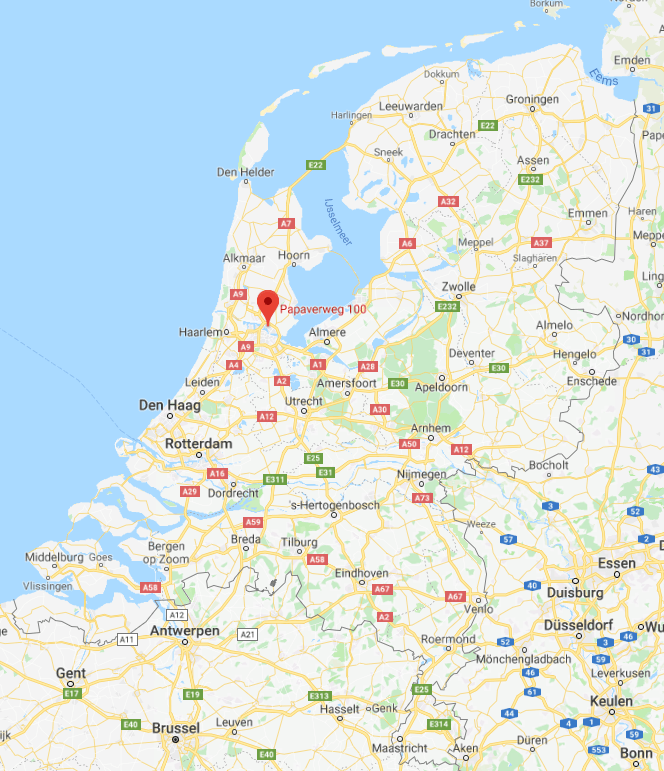
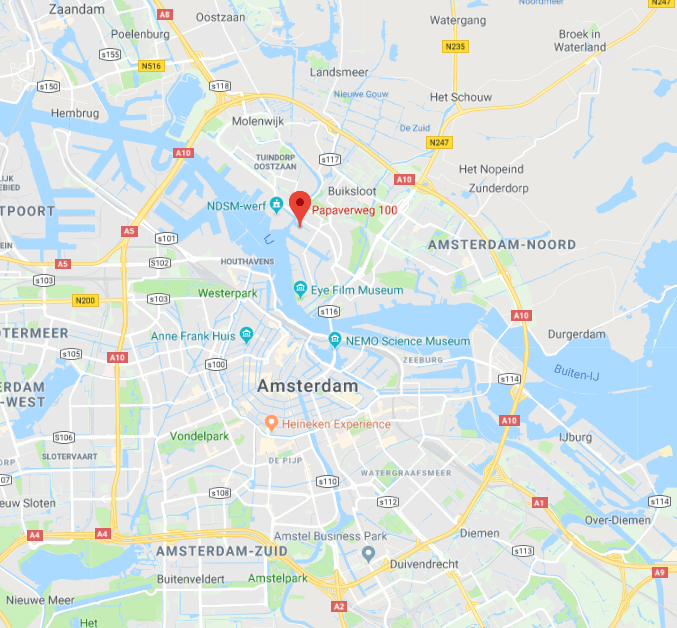
In 1919, he moved his factory to Amsterdam North and to Veere in Zeeland in a massive smuggling operation, using 6 freight trains and hundreds of wagons.
http://www.fokker-in-schwerin.org/
The aircraft were built at the Schwerin factory just outside Görries.
A number of buildings that can be seen were also built later, so not from Fokker's time there.
Amsterdam North

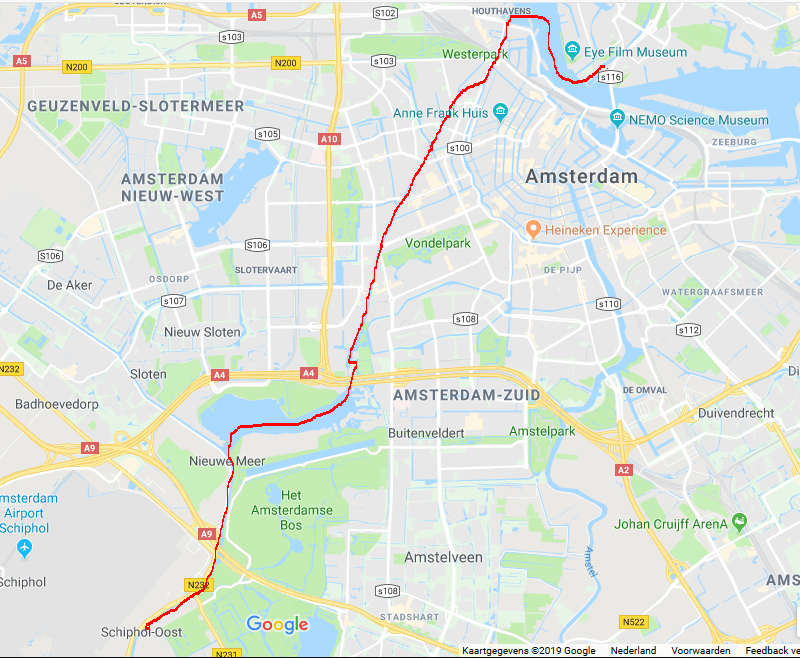
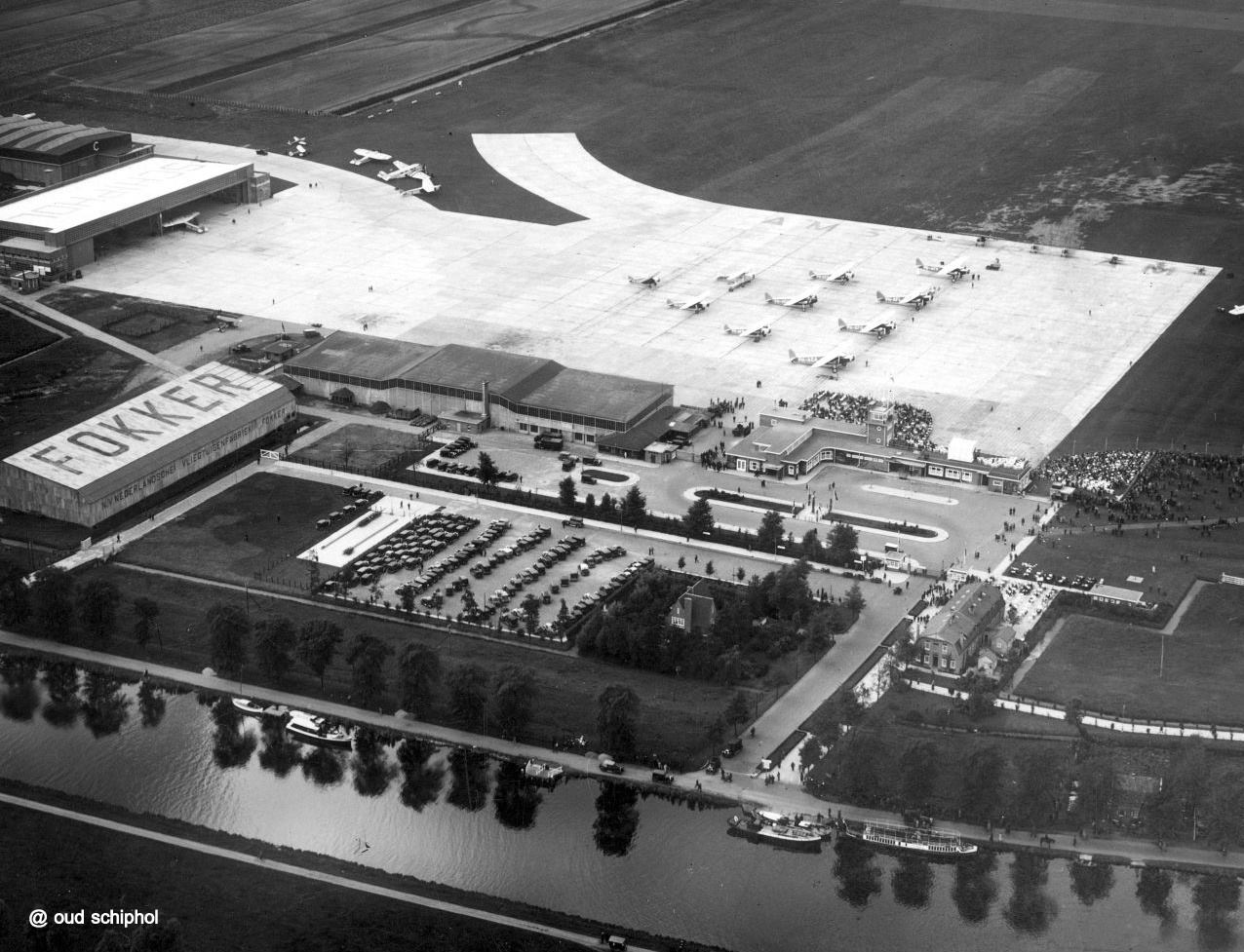
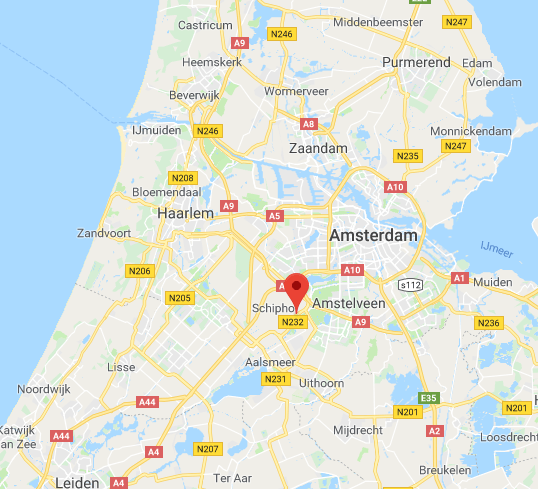
Schiphol (before World War II)
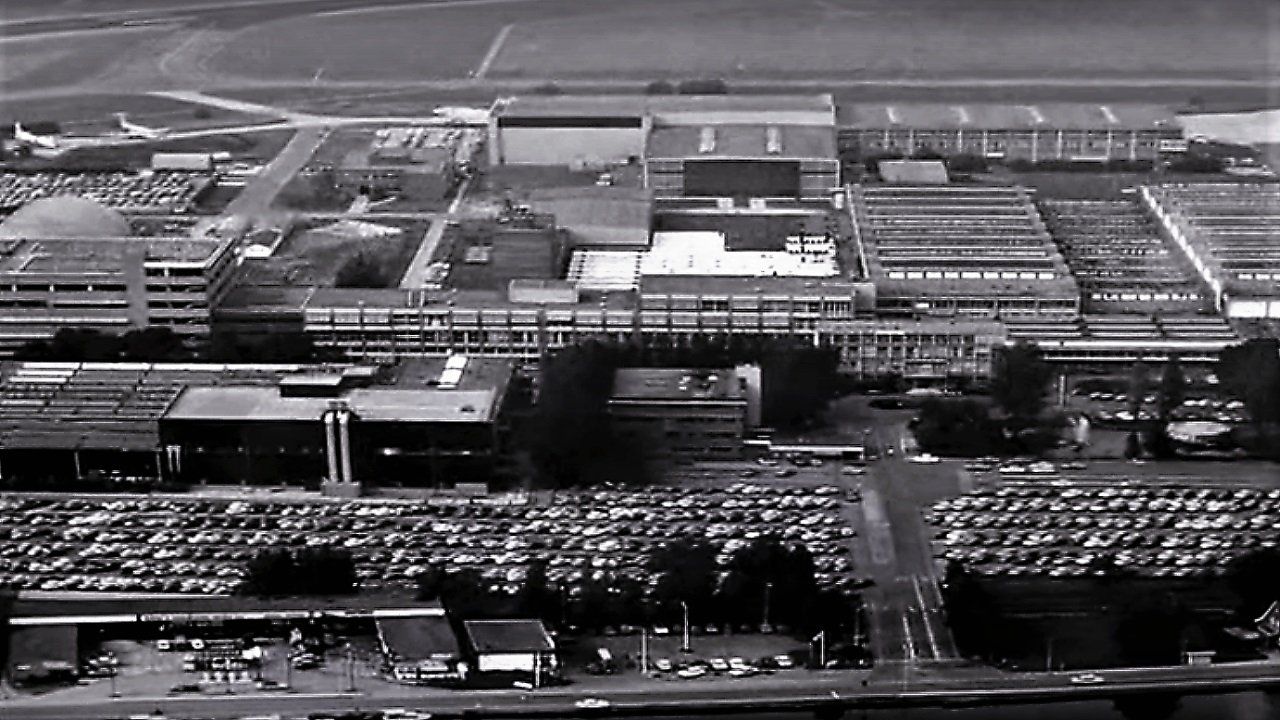
Although the main facility was located in Amsterdam-Noord, Schiphol also housed a significant assembly and maintenance operation, as shown in the photo below (circa 1930).
Veere
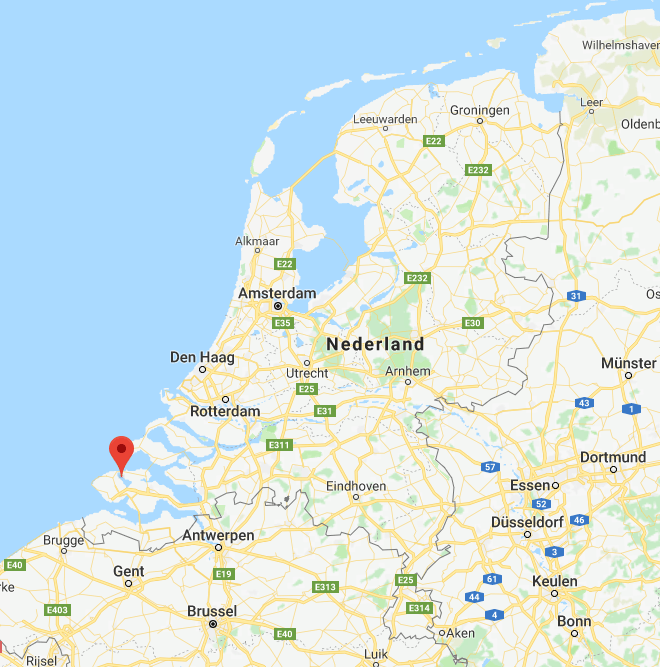
In 1919, Fokker started manufacturing (military) seaplanes and flying boats here.
The Naval Aviation Service had established an air base there in 1916.
In 1926 the Fokker Veere site was closed again and all production was concentrated in Amsterdam.
The Veere facility continued as a naval air base for the MLD.
Click on the map next to this text for a more detailed map of Veere.
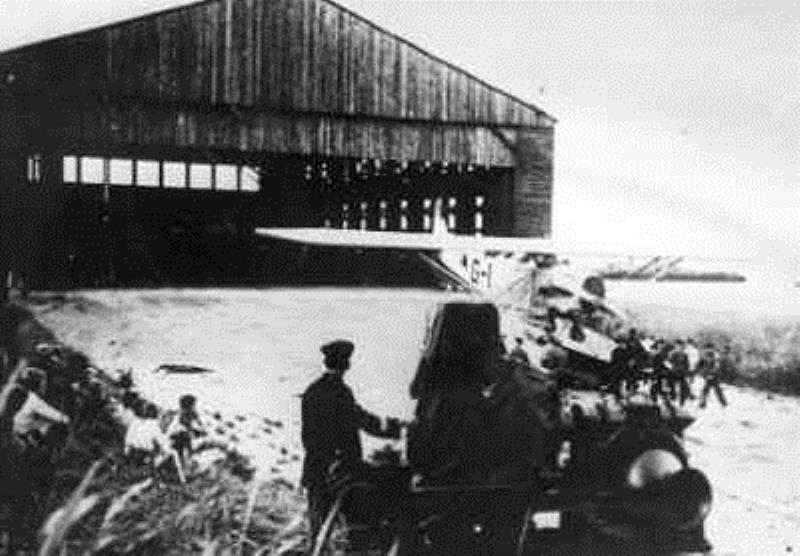
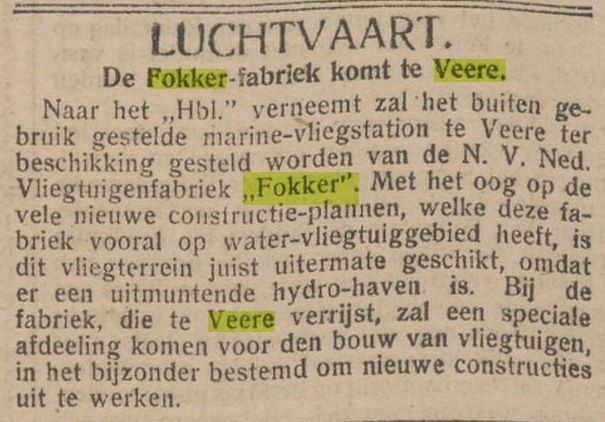
The history is not always clear. On the one hand, 1919 is given as the starting date for the Fokker branch, while on the other hand, "De Amstelbode," dated June 2, 1921, states that Fokker then began building seaplanes there.
Source: Delpher (with thanks to R. Dijkstra).
Fokker in the USA
As early as 1920, orders were placed with Fokker via the American embassy in The Hague for the Fokker C-1 and D-7 for use in the USA.
That same year, Anthony Fokker himself traveled to the USA to see if there were any opportunities to sell his aircraft there.
The US Army Air Corps showed interest in Fokker products, resulting in a shipment of two Fokker F-4 aircraft from the Netherlands.
In January 1922, Fokker opened the sales office “Netherlands Aircraft Manufacturing Company of Amsterdam” in New York.
The US Army is having Fokker 135 de Havilland DH-4s converted from wooden to steel fuselages.
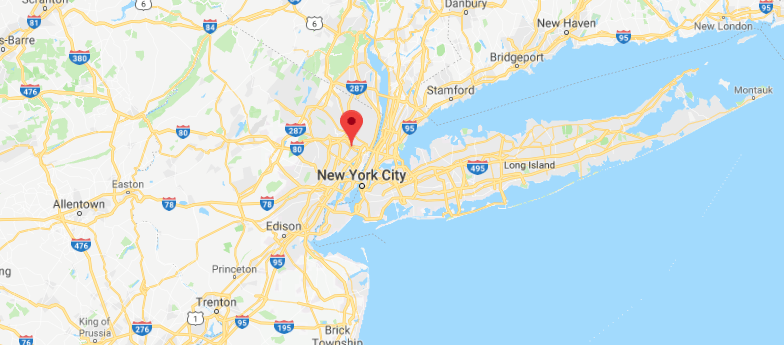
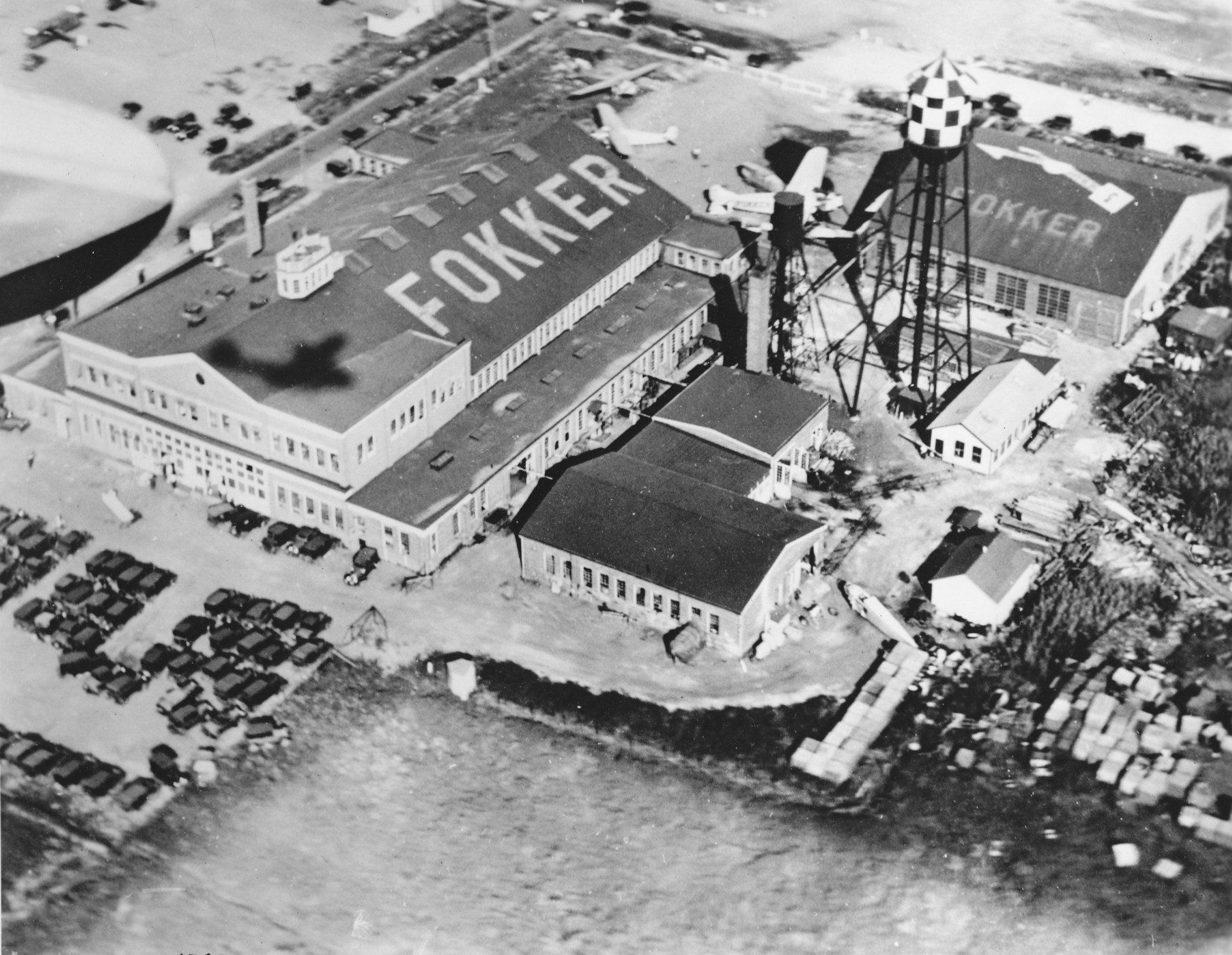
Fokker buys the vacant Witteman Lewis Hasbrouck Heights factory near Teterborro airport in New Jersey.
In May 1924 this became the Atlantic Aircraft Corporation.
On September 16, 1925, the name changed to Fokker Aircraft Corporation, and in December 1927, the name was changed to Fokker Aircraft Corporation of America.
From March 1930 to 1933 the name changed to General Aviation Company
because the General Motors Company owned the majority shares.
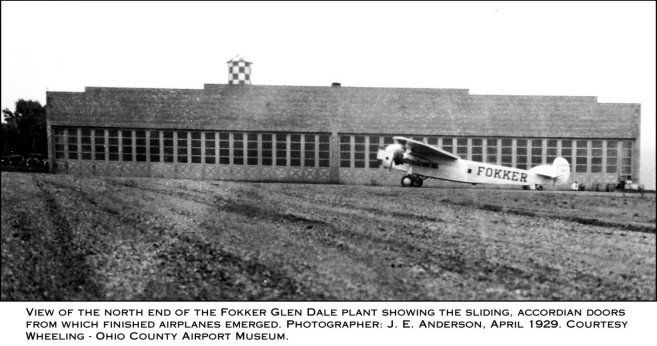
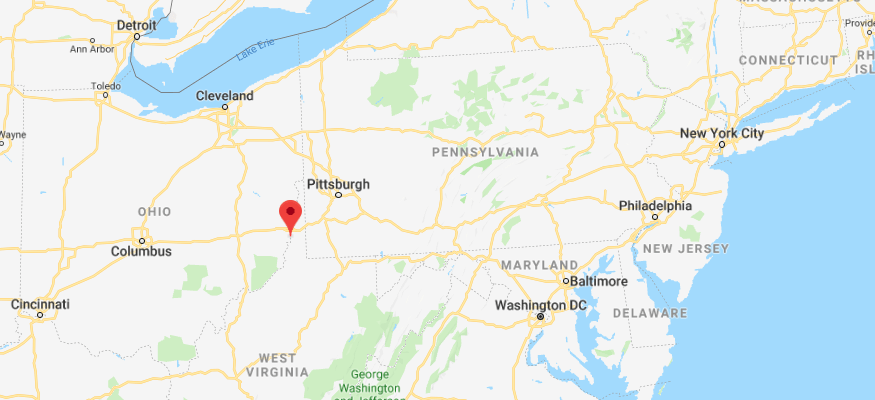
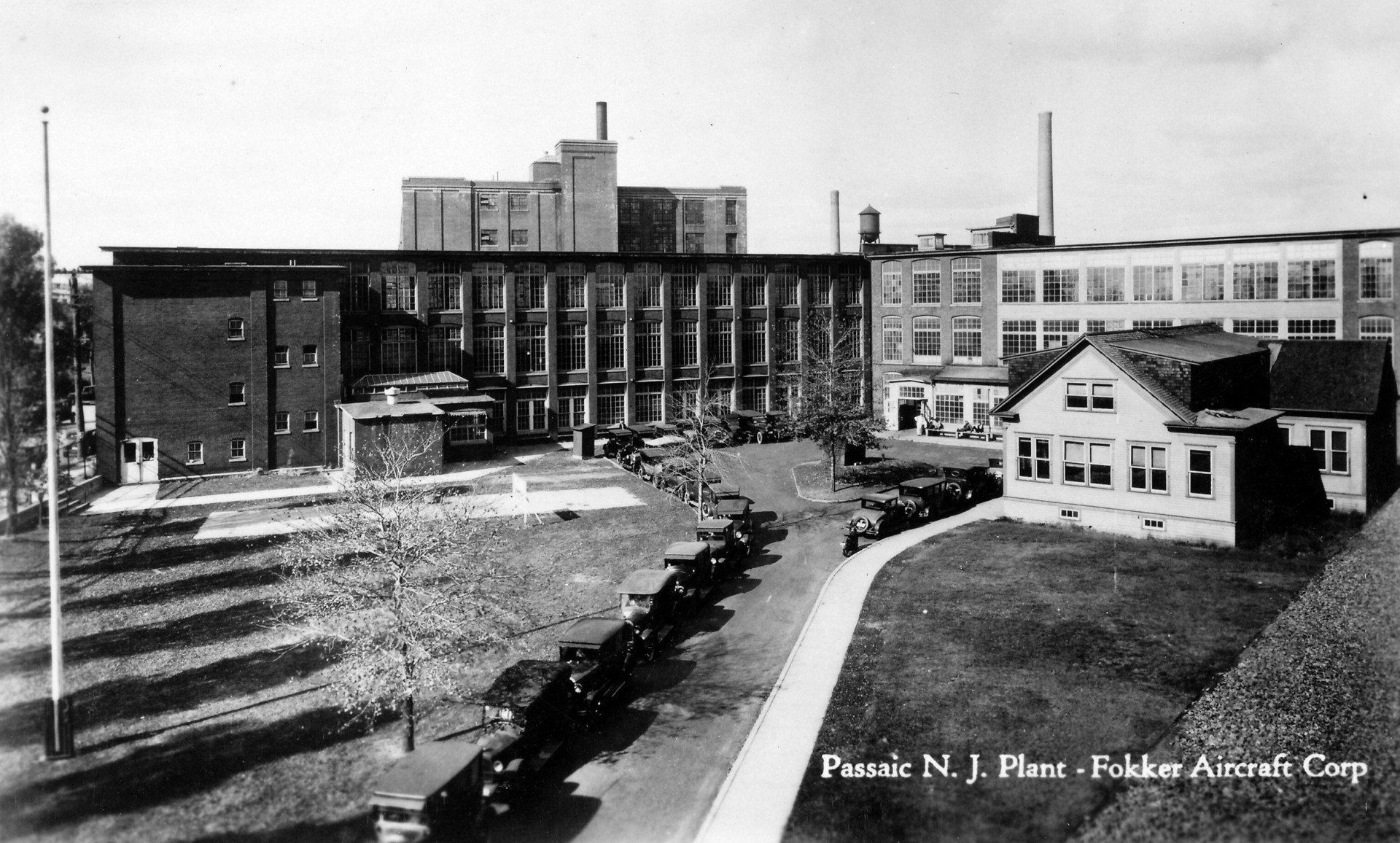
After the Hasbrouck Heights facility, there were later factories in Glendale,
West Virginia and in Passiac New Jersey.
In early 1929, Anthony Fokker sold 40% of his interests to General Motors
for $8,000,000.
The company's name subsequently changed to General Aviation Company
Ultimately, Fokker left the General Aviation Company altogether, settling for a five-year buyout contract with a salary of $50,000 per year.
General Motors sold the company to North American Aviation in 1934.
Fokker became active again in the Netherlands, as interest in military aircraft increased in connection with the rearmament of Germany.
In 1939, he underwent nasal surgery in New York. It was a minor procedure, but a serious infection developed afterward, from which Fokker died.
At that time, he was only 49 years old.
The branches in Papendrecht, Dordrecht as well as AVIO Diepen, Woensdrecht and Hoogeveen are covered in:
Fokker establishments in the Netherlands 1919-1996
Schiphol after the Second World War
The Fokker factory was rebuilt after the war at what is now Schiphol-Oost. Although Anthony Fokker himself had already passed away, the name "Fokker" was retained because it still had international significance.
The factory in Amsterdam-Noord was partially bombed. The company itself remained active. Aircraft were built both independently and under license.
'North' was closed in 1954.
In 1951, the Schiphol-Oost facility opened, where aircraft such as the Friendship and many other types were built. Many military aircraft were also built here, some to their own designs and some under license.
On March 15, 1996, Fokker went bankrupt and aircraft production came to a definitive end.